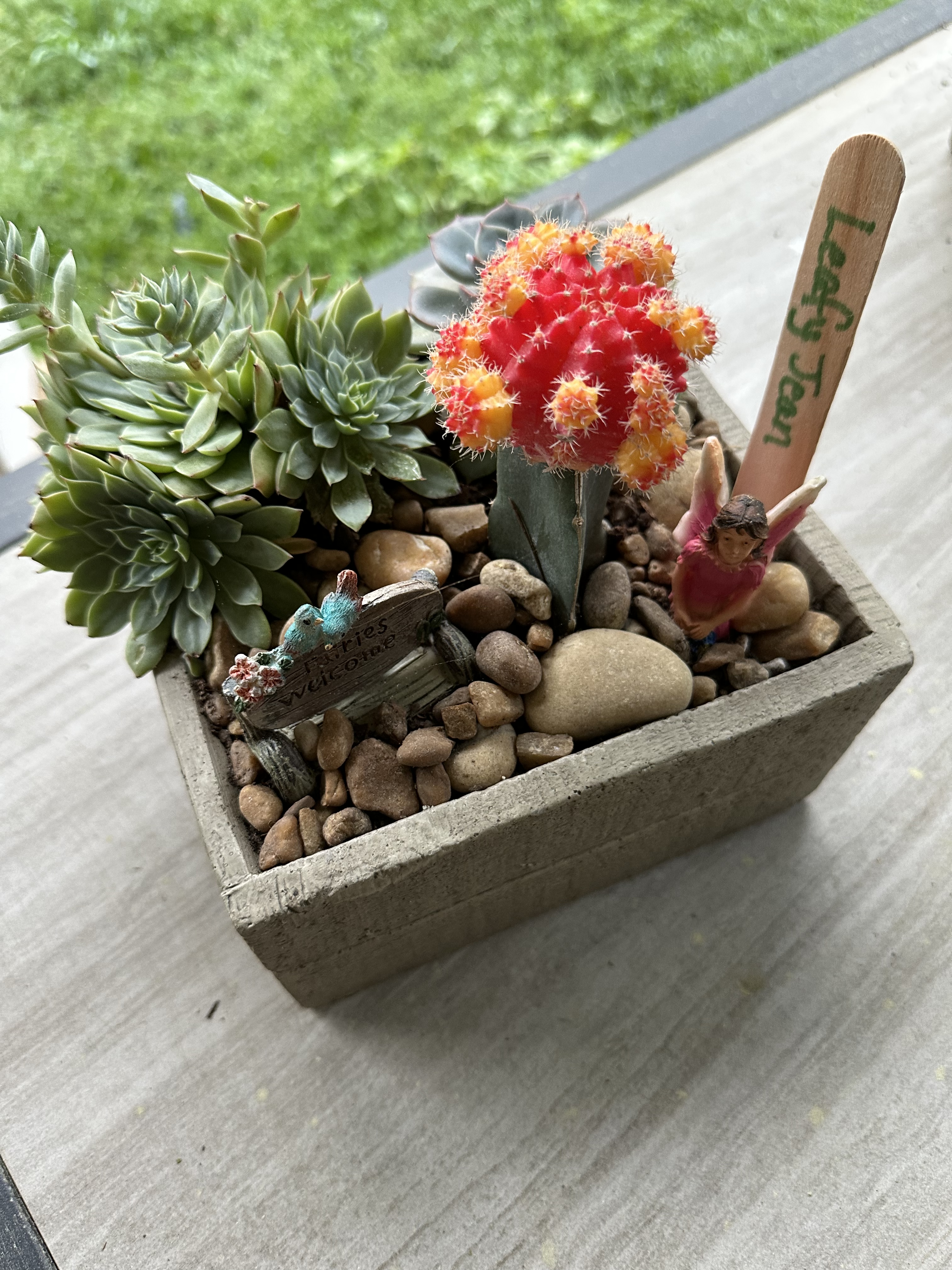
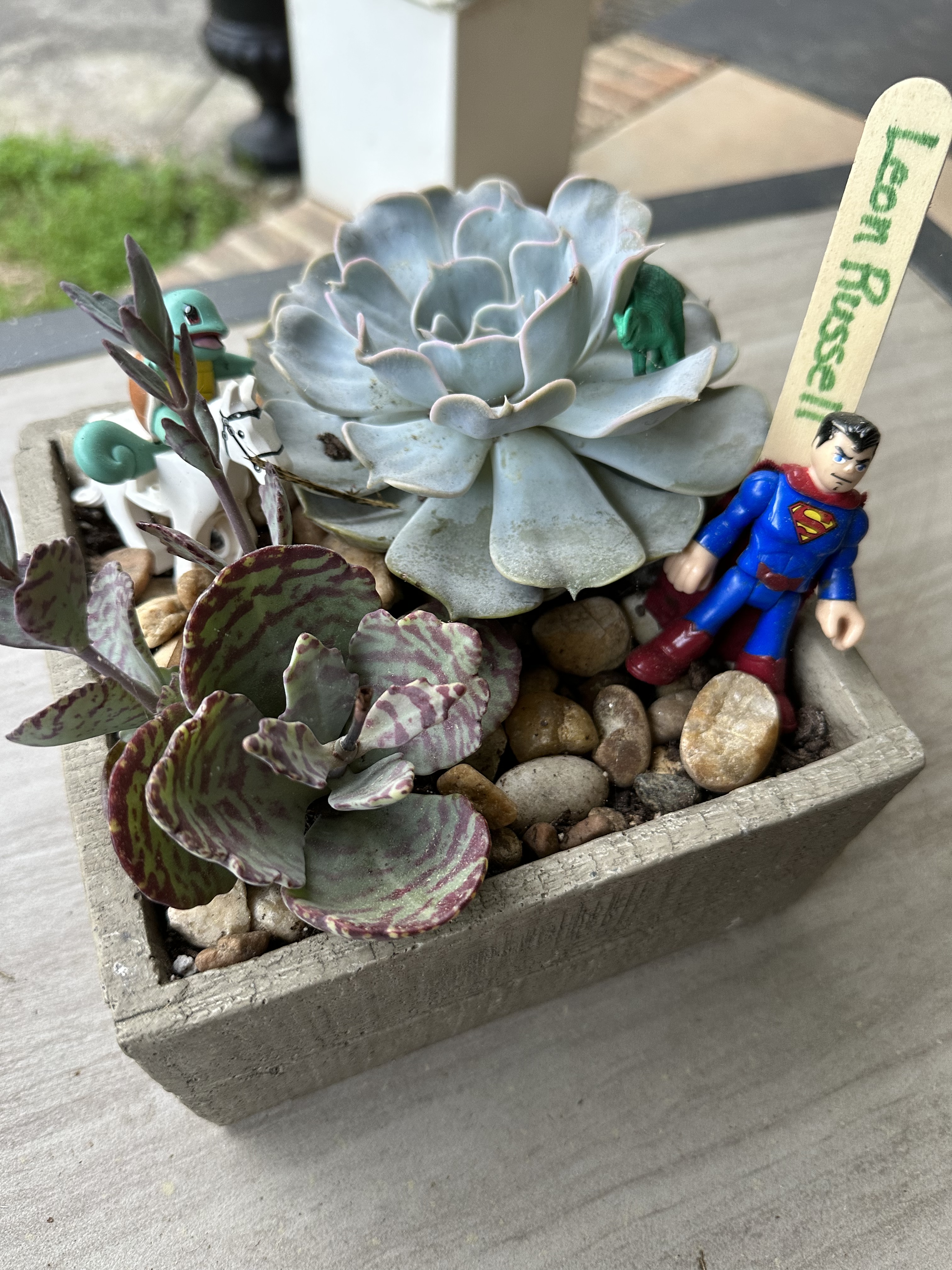
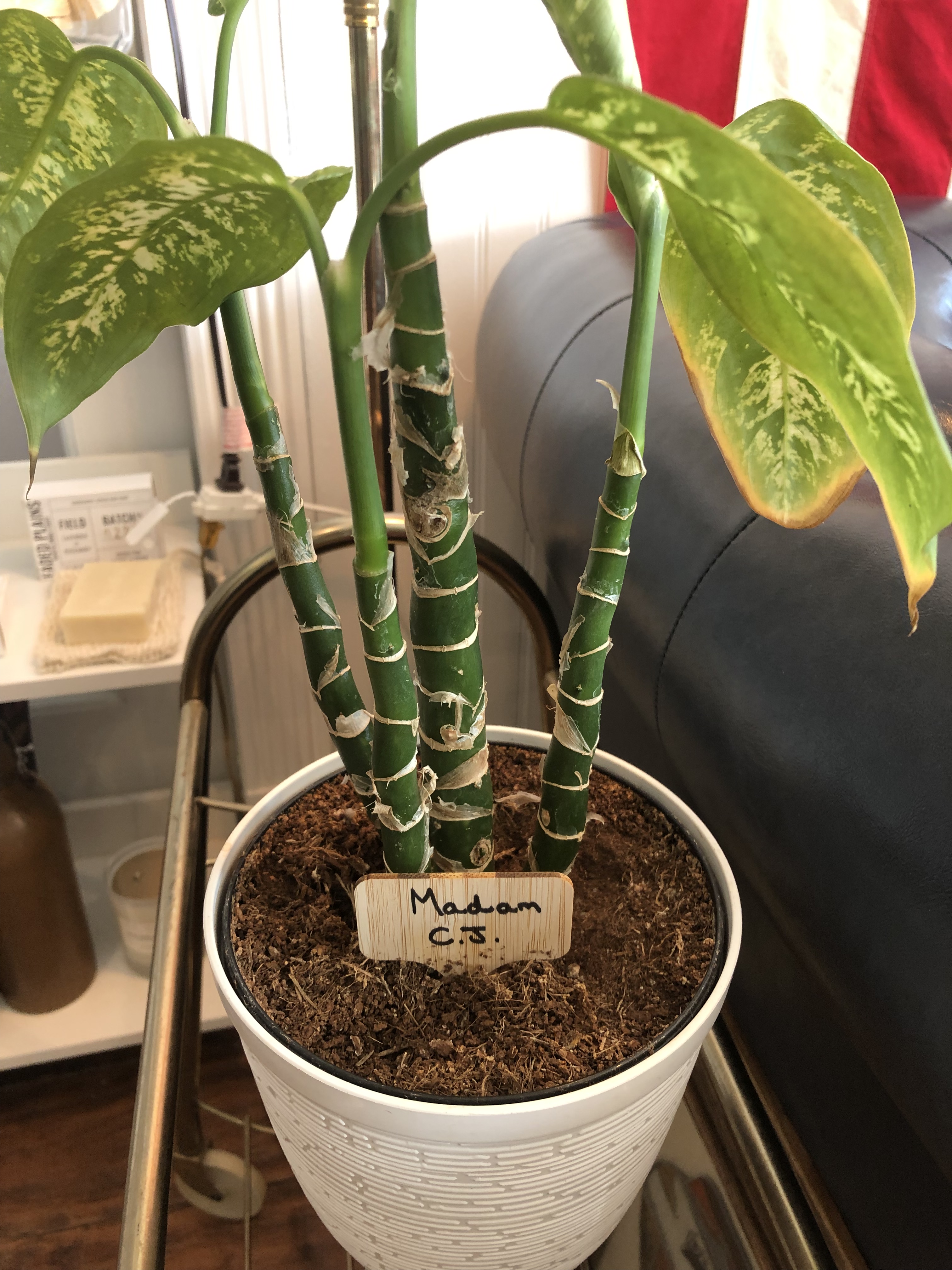
Fran Haley of North Carolina is our host today at http://www.ethicalela.com for Day 18 of #VerseLove, inspiring us to write a triolet. You can read her full prompt here and see the form for this 8-line short form with rhyme scheme. Fran is a fellow teacher, a bird enthusiast, poet extraordinaire, and she named one of my plants on my front porch: Leafy Jean (which led me to a name for the other plant – Leafy’s brother, Leon Russell – – children both buried in a cemetery Fran visited as a child). Today I am keeping yesterday’s blog writing topic with the Rose of Jericho and changing it to a poem – a triolet!
Choose to Live!

Rose of Jericho ~ brittle, brown, dry
unfurl your fingers! choose to live!
mixed tears of grief and joy I cry
Rose of Jericho ~ brittle, brown, dry
my gaze drifts heavenward, eyes to the sky
reassurance of faith and hope you give
Resurrection plant ~ tears green you, oh my!
unfurl your fingers! choose to live!
Rose of Jericho ~ brittle, brown, dry – an Easter gift from my daughterRose of Jericho ~ choosing to live, in my mother’s milk glass on the kitchen counterLeafy Jean at 7:25 a.m. on this day, thriving on the front porch here in Georgia Leon Russell, her brother, at 7:25 a.m. on this day, thriving on the front porch
Susan Ahlbrand is our host today for Day 16 of #VerseLove. She inspires us to write poems about friendships that didn’t work out for whatever reason, whether there was a move or a disagreement or a divorce or another form of distancing. You can read her full prompt here. I wrote about a time I left a church because the views became too radical to accept.
Blind Ewe

so you’re holier.
new pastor said NO WOMEN
his blind sheep believed

not one stood with me
not one challenged his iron fist
not one saw the wolf

wife who rarely spoke
children white as untanned lambs
always in the house

I took a firm stand
when I saw the truth. I left
that mutton pasture

one by one others
did too, down to a dozen
“disciples” who stayed

brainwashed radicals
worshipping legalism
no grace, mercy, love

so you’re holier?
is that what you call yourself?
guess again, girlfriend.

Ewe blind
Allison Berryhill of Iowa is our host today for Day 15 of #VerseLove at http://www.ethicalela.com. She inspires us to write poems about what we missed, or what could have been. You can read her full prompt here.
What You Missed

what you missed
you’d have never seen anyway

the way he looks like his mother
the way he casts his line
the way he asks with concern
the way he answers with passion
the way he doesn’t miss a beat
the way he marches to his own
the way he loves animals like Mimi did
the way he rescues turtles
the way he named his baby duck Steve
the way he knows departure
the way he feels betrayal
the way he talks all scholarly
the way he tells books start to finish
the way he hugs his cousins
the way he thinks in waves of blue
the way he ponders nothing new under the sun
the way he sees the world
the way he doesn’t see the world

five years from now
he’ll carry fewer memories of you
because you were absent
    off praying for all the others
      at a ballpark
       again forgetting your own
that depth finder could see fish
   but will never show the depth of
what you missed
Today’s host for Day 10 of #VerseLove at http://www.ethicalela.com is Brittany Saulnier, who inspires us to write whimsical science poems. I chose to focus on outdoor science – nature and all its discovery and wonder about the world! I have just gotten my flower presses out of the old barn over the weekend and can’t wait to gather flowers and greenery to press on a long walk one afternoon this week. So much of science is soothing, just pure medicine for the soul. Brittany’s gift of a prompt that invites peace is particularly appreciated on this Monday back to work after spring break. Today, my poem is a first-word-Golden Shovel Tanka (5-7-5-7-7) string. I took my striking line as a quote from a birding journal by Vanessa Sorensen: “Adopt the pace of nature: her secret is patience.” – Ralph Waldo Emerson
Bloom!

adopt a mindset~
the practice of noticing
pace your amazement

of observing more fully
nature: less is so much more

her covert moments
secret discoveries ~ what
is our big hurry?

its blessings beckoning us
patience blooms on every stem
I’m hosting #VerseLove today at http://www.ethicalela.com, where we write in verse everyday throughout the month of April to celebrate National Poetry Month. You can read the prompt and the poems shared by others here, or simply see the prompt below:
Inspiration
One of the most uplifting parts of a writing community is getting to know other writers, feeling a connection, and developing a sense of belonging as others welcome you to the group and encourage you in your writing journey. This is my fifth year writing with #VerseLove after meeting Dr. Sarah Donovan at NCTE. Today, let’s introduce ourselves through a Weekend Coffee Share poem, which can take the form of a list poem or a prose poem – or any other structure that you choose. Pour a cup of coffee and come sit down. You may have seen other bloggers writing as part of the Weekend Coffee Share, a powerful weekend writing topic developed by a blogger whose idea inspired this prompt. Raising a mug to Natalie!
Process
Pour yourself a cup of coffee or tea, and imagine being in a small coffee shop among friends. We’ve all strolled in from the cold, damp drizzle and are eager to meet you for the first time – or to catch up with you since last time. Pour us a cup, too, and share something about yourself with us. Invite us into your world, friend! Let your first line be If we were having coffee (or tea, or wine…)….
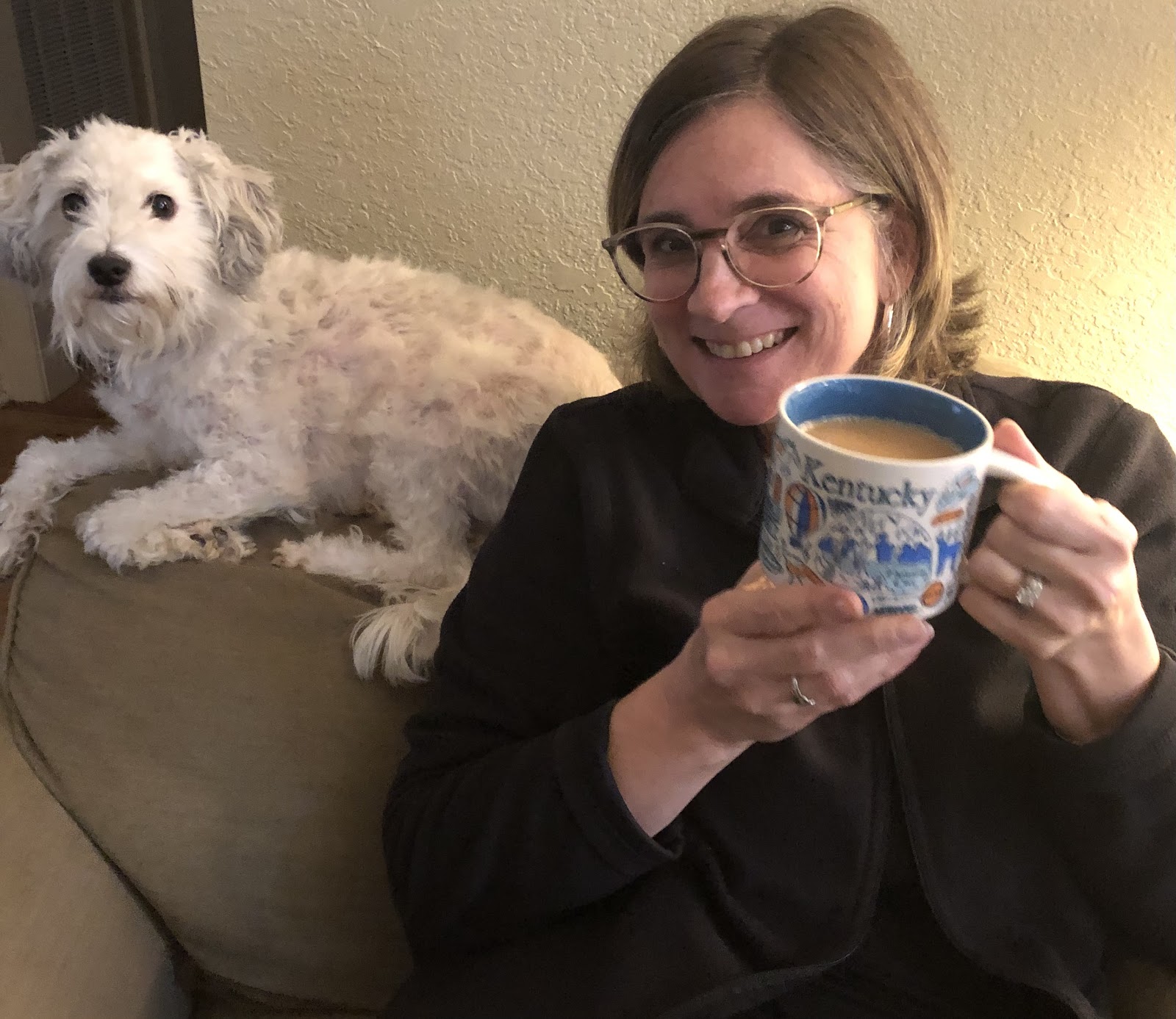
Oh – and share a picture of yourself with your cup in the comments if you wish!
Kim’s Poem
If We Were Having Coffee
If we were having coffee,
I’d tell you that #VerseLove changed my life
because of you.
Here, come closer and lean in.
Do you like light roast or bold?
Let me pour you a cup. Cream? Sugar?
If we were having coffee,
I’d ask you about your favorite poets
and tell you that as a child,
I spent hours, days, weeks, years reading
Childcraft Volume 1 Poems and Rhymes
and was twice gifted A Child’s Garden of Verses
for Christmas from relatives ~ in 1971 and 1972
and have been hooked on poetry since then.
If we were having coffee,
I’d tell you that I’m a bit of an introvert,
so I prefer writing over talking,
and that over the years, I have come to know
you through our writing ~ so I call you my friend.
I’ll be talking to someone somewhere and you’ll come up.
You always do.
When someone tells me they like Thai food, I say,
No way! One of my writing friends is in Thailand right now!
And when someone hums a tune from CATS, I say,
Girl! One of my writing friends sent me
Old Possum’s Book of Practical Cats last year.
And when someone says they’re going to the west coast, I say,
Have fun! I was just there with my writing friends in November.
If we were having coffee,
I’d raise my mug to you and say,
Cheers to you, friend! Welcome to #VerseLove 2023!
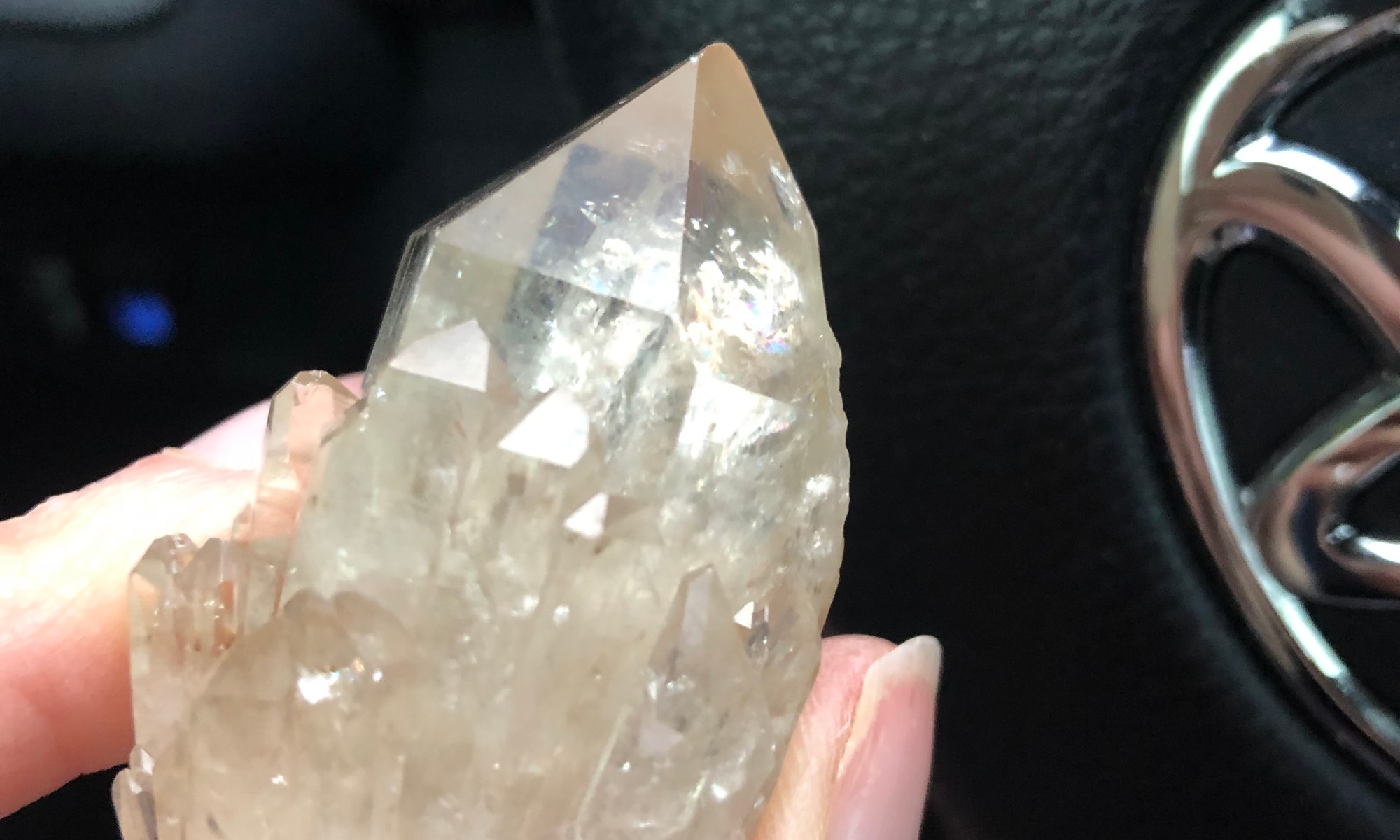
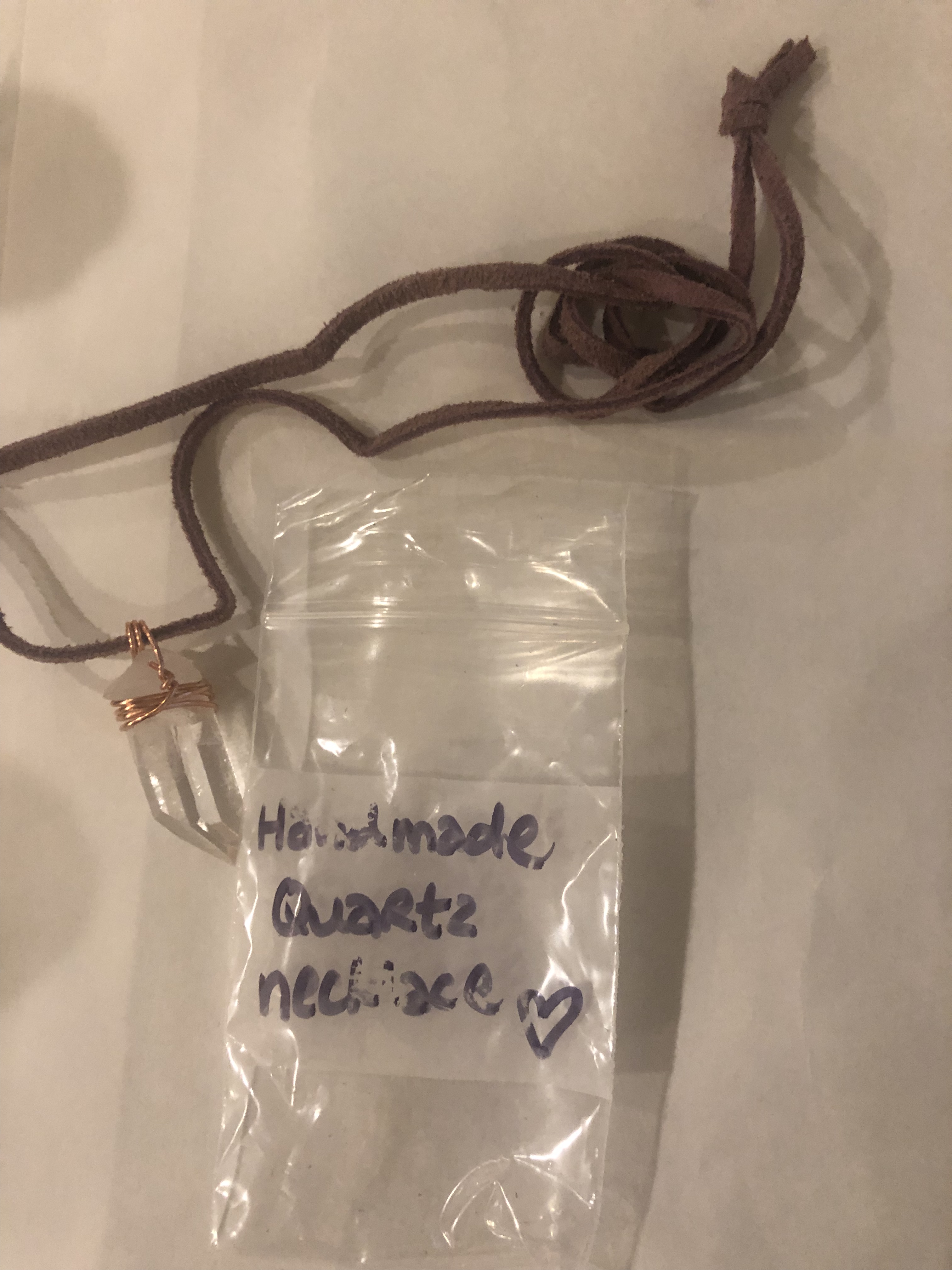
After long conversations about the wellness benefits of stones and crystals with one of my daughters, imagine my surprise when I arrived home to find a box on my doorstep from her! It was heavy – mailed at the flat rate, and filled with individually bubble-wrapped crystals and stones. I felt like I was playing the Saran Wrap game at Christmas where it’s filled with all sorts of treasures and you have small bursts of time to unwrap it, keeping what you can before it’s time to pass it to the next person. Only I got to keep all of it!
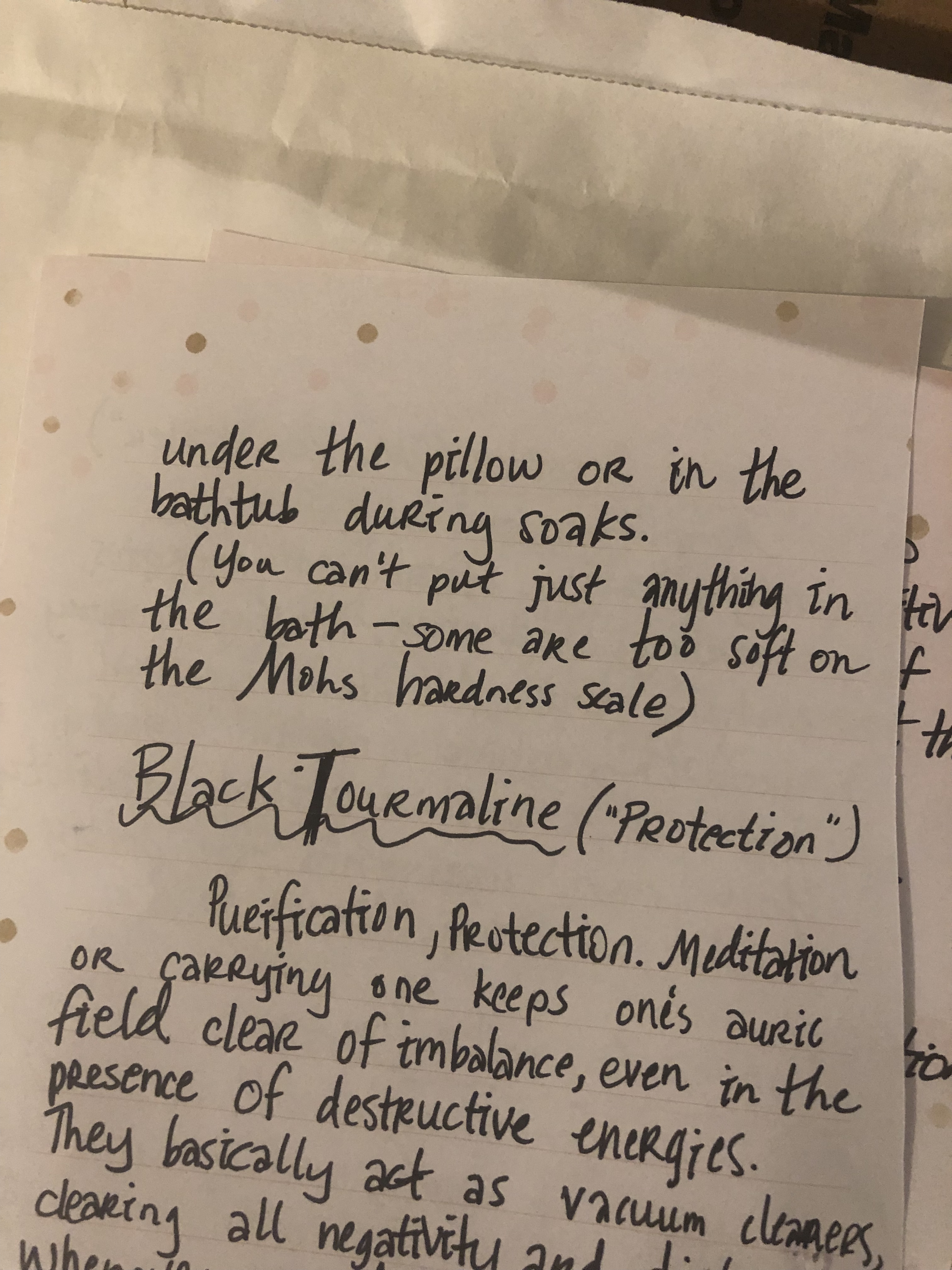
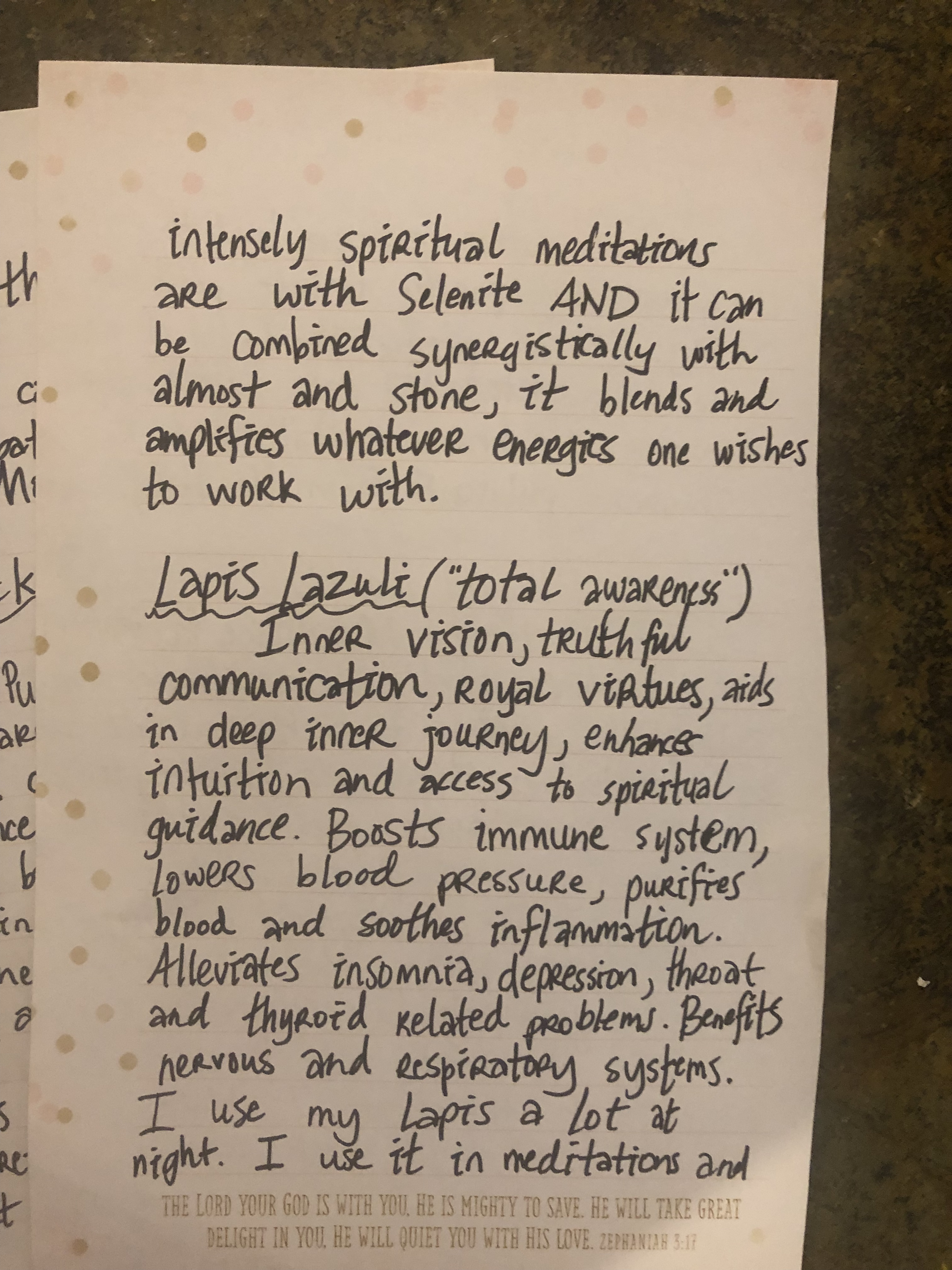
And what treasured gifts these are! Perhaps the most touching of all are the handwritten pages explaining every stone, telling of its qualities and a few personal notes scattered throughout – the most cherished one on the Lapis Lazuli note, explaining how my daughter feels close to my late mother as she still wears her bracelet filled with these brilliant blue stones. My mother, as it turns out, had jewelry made of a variety of stones and also suffered from anxiety. We continue to learn more about my mother and to “connect the dots” long after she has passed. It’s not surprising to learn that she, too, knew the benefits of stones. I often wear her jade necklace and some of her other stones that she wore frequently.
For Christmas, I’d given my daughter and her boyfriend a rockhounding kit filled with all the tools they needed for their hobby of exploring and digging for stones in the desert. In this shipment, she included some stones she’d purchased, and some that she had rockhounded herself, straight out of the earth. Those are pretty special stones to me.
And as I read my favorite childhood poem that I shared on March 17, I’d been inspired with my new knowledge of stones to turn from the plastic Mardi Gras beads and the green glass beads to stones of green black dot Jasper in my quest to be more nymphatic in my replies of NO. And they work. I’ve said no several times, becoming the goddess of refusal.
Now I shall continue to explore the benefits of these stones, using the starter kit my daughter sent me. I have placed them all on the dyed slice of agate (flat stone) and will experiment with the healing powers of each. For now, I am including pictures of the stones she sent, along with her notes. Enjoy!
My coffee table after opening the box of surprises from my daughter
My daughter in her desert rockhounding playground, where she locates stones.
When one of my daughters moved to Nevada, she began taking a greater interest in natural foods and overall wellness through diet, exercise, prayer, and meditation. She suffers from anxiety, so the healing properties of Himalayan Salt lamps and hikes through the desert to calm the mind and familiarization with the properties of crystals to alleviate stress are all pathways of interest for her. I made a commitment in February to involve others in my blog posts throughout March, and I invited her to share some of her knowledge of crystals. In today’s first part, our dialogue is exchanged through texting.
My daughter has been teaching me about each stone and what it can be used for – here, she holds an amethyst, used to promote serenity and calmness, and even help with headaches that come as a result of anxiety and tension.
I asked my daughter if it was true that crystals and stones really have healing properties.
What’s fascinating, Mom, is that ancient civilizations all used stones and found the same benefits from them, and this was before the days of communication between these civilizations, yet they somehow still found that a crystal or mineral that could be found in both places had the same benefits.
We were texting about her knowledge of crystals as I was suffering from a tension headache that has been debilitating since February 1, and I was willing to try anything – anything – to get my normal head back.
And they were all using them, especially certain civilizations that were known for it – like the ancient Chinese. Jade is very precious to them (as are many but everyone associates the ancient Chinese with jade) and even Cleopatra would grind down Lapis Lazuli for her famous blue eyeliner.There is an impact glass that formed millions of years ago from a meteorite crashing into the Libyan/Egyptian desert sand (I have a piece of this impact glass called Libyan Desert Glass) that was found set in the breastplate worn by King Tut and was found when his tomb was discovered. The history of people using stones in the ancient world is even an interesting topic on its own. There are even mentions of stones in the Bible.
The hour-long text session was taking us through the twists and turns from history to actual uses of stones, and I found myself growing more and more impressed by her vast knowledge of the topic.
I asked her how crystals fit into religion, because several years ago, there was backlash that stones were being used in place of God.
Honestly, this is just my opinion, Mom – nothing researched – but after working with and meditating with crystals, I am pretty convinced that the prophets in the Bible, I believe they had the gift of prophecy from God, but I believe they used crystals to help facilitate this gift. In Exodus, the breastplate of Aaron was a sacred object used by the high priest in order to communicate with God. It had 12 stones set in it, for the 12 tribes of Israel. During some of my meditations using crystals, when I’m in my meditation and visualizing, sometimes I get very unexpected quick flashes of visions. For example, if I’m visualizing things in my head during this meditation and I’m going through a walk in the forest on this journey, I focus on that, but on several meditations, visions of things have come into my head like a flash, just an image, without me ever thinking about them. I can’t explain it but it’s very cool when it happens. I think the prophets used them for sure. I haven’t researched that topic, but I just believe that.
But what about the people who say crystals are the work of the devil? There are folks out there who believe that, so I asked if she’d explored the reasons and the case for Biblical uses of crystals.
Mom, that’s because some people think they are associated with the occult. But why would God put them in such abundance on this earth if they weren’t for us to use? There are things that I don’t like or wouldn’t ever use when I go into a metaphysical shop that sells crystals because of my beliefs. For example, tarot cards. I don’t know much about them, but there are things in there that fall too far on the extreme side for my beliefs. I would never ever want a psychic reading. First off, you never know if you’re being scammed and second, that’s just not something I need.
She continued her line of reasoning.
As long as people don’t practice idolatry when using crystals, they’re fine. But that can be said for literally anything in the physical world: cell phones, televisions, anything. And why would he put them here on earth for us?? Okay, I’ll play devil’s advocate for a second and say the same reason he put Adam and Eve in a garden with forbidden fruit but he said not to eat the fruit, he never said not to use the crystals. That’s coming from humans, not God. He just said never to worship anything/anyone other than him.
I was following her thinking, even as my eyes landed on the prescription bottles in the kitchen window. What was the difference in using chemicals ground with a mortar and pestle, swallowed to enter my bloodstream to combat the effects of this severe tension headache and using the magnetic properties of stones to alleviate a headache? I had to believe in whatever remedy I was doing either way, but that didn’t mean God was knocked off the top pedestal of priority any more than when I consume the food I eat to sustain my life.
There are those who associate mediation with a variety of religions, like it’s different from prayer, so how do you think meditation is the same or different?
I believe that prayer is powerful, but I also believe the energy the crystals emit from vibrations can help calm you down for more focused prayer, uplift your spirits, help with appetite, anxiety, blood circulation, everything. When a lot of people are passing on into their eternal life, I’ve heard of people laying crystals on them as they’re dying and in all of the instances, it’s a calming peaceful last few hours/minutes. My boyfriend’s sister did that for their grandmother when she died too.
There are extreme minds who will not for one second wrap their mind around accepting the use of crystals in their lives, though, and will even go a step further and disparage anyone who would. How do you respond to these folks?
Mom, people use crystals and don’t even know. Watches are powered by quartz. When you use a barbecue lighter, it’s piezoelectric energy from hitting a quartz that sparks the flame.
I had to admit – – she had enlightened my thinking in a way that took me away from all of the negative connotations associated with crystals and had my mind turning. What could be harmful about a crystal that could have a worse reputation than headache pills? I was opening my mind to the new possibilities……
Throughout my childhood, I was obsessed with one particular book. I spent hours on end reading it – – even took the flashlight into my closet so I could read it in there too and not be bothered while I was mesmerized. I not only fell in love with the words in the book, but also with the pictures – they were enchanting. I studied every detail of the pages in Childcraft Volume 1 – Poems and Rhymes – with the pink band on the gold-numbered spine.
One poem in particular was my favorite among favorites.
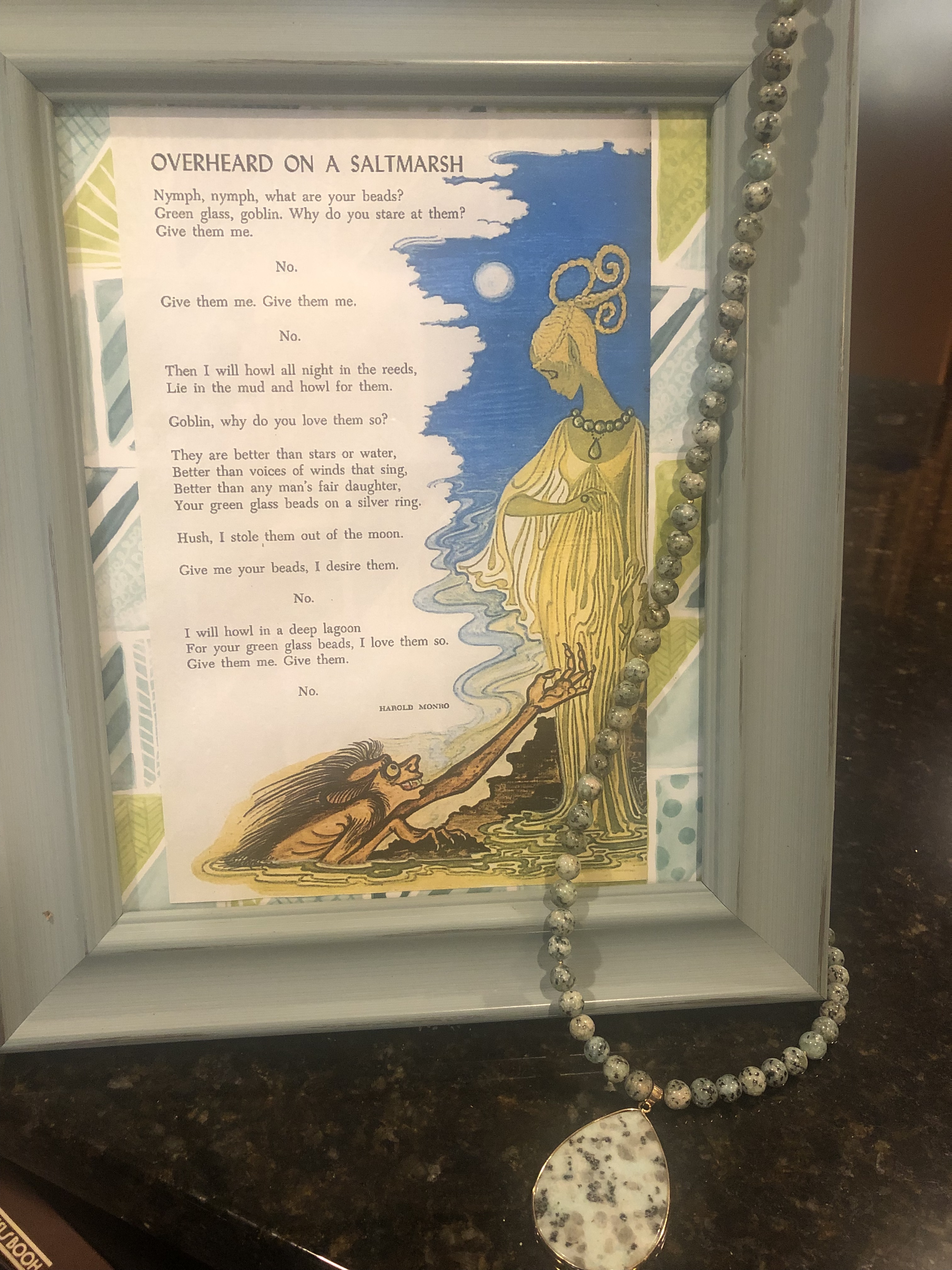
Overheard on a Saltmarsh by Harold Monro (14 March 1879 – 16 March 1932).
I lived near salt marshes in those days, on a coastal island in Georgia. I’d never seen any nymphs and goblins in the marshes, but I wondered – – could they really be there? How had I missed them?
Overheard on a Saltmarsh by Harold Monro
I fixated on the goblin and the nymph in the illustration. That’s a water nymph – – they often have plants growing from their heads, I learned. She’s not afraid of that ghastly looking goblin, either. She is confident in herself there in the moonlight, wearing her green gown and green glass beads.
That’s what I’d wanted to be when I grew up – a beautiful nymph with a shapely figure, wearing a flowy gown and green beads, telling my goblins NO.
And so to celebrate this St. Patrick’s Day, I will not sport a shamrock. I won’t wear a green flowy gown or drink a green beer or flash a Kiss Me, I’m Irish t-shirt or paint my face green. Or get a tattoo.
Instead, I have framed my favorite childhood poem and will nymphatically wear these green jasper beads.
Hush, I stole them out of the moon.
A framed childhood favorite poem, with green beads
Special thanks to Two Writing Teachers!
Please join us at http://www.ethicalela.com Saturday through Wednesday for the March Open Write. We’ll be writing poetry for the next 5 days. Come write with us!
I was shopping in Senoia, Georgia (home of The Walking Dead) when I noticed all of the plants in one of the stores had names. I took photographs of the name tags and noticed a pattern – – they were all named for famous black women. I struck up a conversation with the owner behind the counter and learned that this shop was a local black-owned business. I enjoyed an added dimension of discovery as I thought of all the women who were being celebrated. It’s reassuring to see how far we have come as women over the past century, and I cheer minority women who have overcome obstacles and stayed the course all the way to success and smiles behind the counters of the businesses that they own today.
I’m taking this innovative idea of naming my fairy garden succulents, which will be the last picture in the lineup – with a fascinating history of the names that were selected for these tiny front porch gardens. First, here are 6 of the 17 pictures I took in the Greenhouse Mercantile, with links underneath to the women for whom each plant is named:
Earlier in the week, I shared my succulent garden and asked for help naming my new fairy gardens. Fellow blogger Fran Haley responded:
I would give one of these fairies a name from a baby’s gravestone I first saw when I was a child visiting my grandmother deep in the country (along the old dirt road, you know-). The name: Leafy Jean. I might name the other fairy Lacey Jane.
I loved the unique sounds of these sweet names with matching long vowels. I named the fairies Leafy Jean and Lacey Jane.
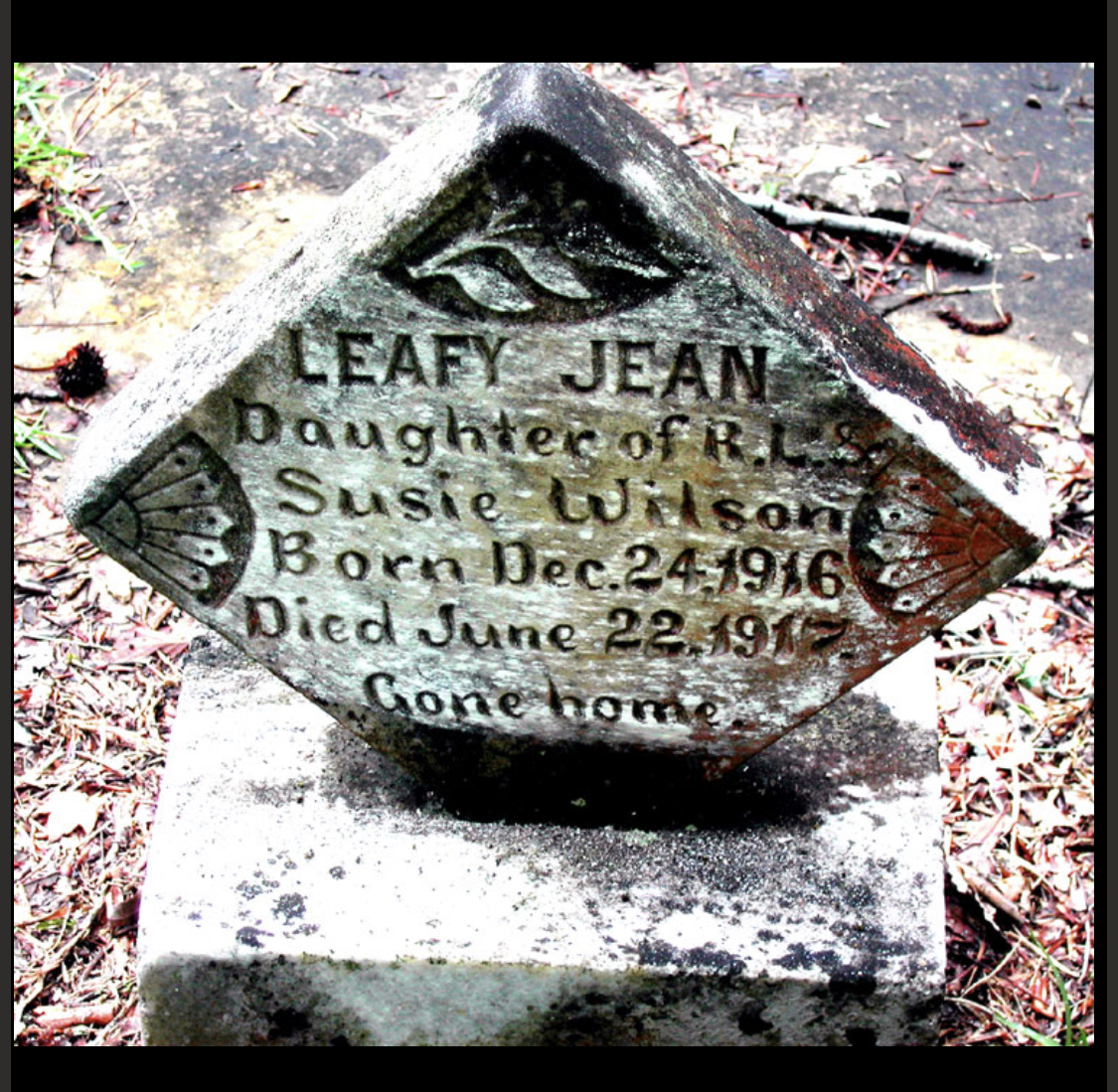
I wondered if I could find out a little bit of information about Leafy Jean, and so I looked on the Findagrave website and found the photo of this headstone for this baby girl “Gone Home”:
I’m betting this is the grave that Fran saw when she was with her grandmother. It’s located in Beaufort County, North Carolina in the Mixon Cemetery. Leafy Jean Wilson was born on a Sunday – Christmas Eve in 1916, two years after the Christmas Truce called between German and British Soldiers during World War II, when they set aside their differences and came together to play a game of soccer, wish each other Merry Christmas in their native tongues, and sing Christmas carols. The Christmas Truce came five months after the war began……and little Leafy Jean was five months old when she died on a Friday – June 22. I wondered at first if Leafy referenced an olive branch, a symbol of peace and goodwill, but looked it up and found that Leafy means “Relief.” In Hebrew baby names, the meaning of Jean is “Gift from God.” It’s a name of French origin, meaning “God is Gracious.” Leafy Jean had a brother named Leon Russell Wilson, who died when he was 1, one day shy of a full month after his sister, and less than a year prior to the outbreak of the Spanish Flu that started in February 1918.
My heart ached for these parents and these precious children.
I knew what I had to do.
I ran upstairs to the toy chest and fished out a few miniature figures. I explained to Lacey Jane that she would be moving to a different container, so we packed her fairy wands, her wishing well, and her other belongings for a journey to a new magical land.
We had to make room for Leon Russell to remain near Leafy Jean.
Thank you, Fran, for the creative names for these gardens. I will think of you as I water them and care for them! I’ll give an update on how they’re thriving on a Slice of Life Tuesday sometime this summer! Perhaps by then I will learn more history about these babies who now have a special place in my heart – and on my porch.
Special thanks to Two Writing Teachers for giving writers voice and space
A couple of years ago, we had a full-fledged farm – goats, hens, roosters, dogs, cat, pig. Our pig ran off one day, and we sold our goats when I took a different position that would require more of my evenings for a time. When a developer broke ground about a mile down the road and began a dreaded subdivision waaaaaay out here in the country, we experienced an influx of displaced animals – food-freeloading foxes, cunning coyotes, and hungry hawks. One by one, our chickens started disappearing.
Don’t ever let anyone tell you that a hawk will not go into an enclosed space. That’s a myth. Even with chicken wire across the top of the coop, a determined hawk got in our coop and killed some of our birds. We ended up giving the last few away as an act of mercy until the wildlife on the move finished their great migration through here.
Now that the dust has settled, we aren’t seeing nearly as many predators as we did before. We do have two Great Horned Owls who have taken up residence in our trees and hoot back and forth at each other in the early mornings, but those are the only threats we have observed lately, other than the red-tailed hawks who swoop through to check in from time to time.
“Do you think we could spruce up the coop and try again?” I asked my husband a few weekends ago.
We got attached to our chickens in a way that didn’t happen with our goats or our pig, and we’d found ourselves sitting outside just watching the entertainment unfold every afternoon when we got home from work and would let them out for a few hours. Chickens are funny, and they have definite personalities. Pecking order is no joke.
My husband is a man who loves farm-fresh eggs, Smithfield original bacon, rustic potato bread toasted with butter and elderberry jam, and Eight O’Clock coffee two or three nights a week for supper. So when I’d asked about getting more chickens, I wasn’t surprised by his answer.
“Absolutely,” he replied, without hesitation.
“I’ll call my friend Laura with the Zoom-famous rooster and see if she has any chicks. We can build back from scratch.”
I wanted highly socialized chickens, and I was hoping she’d have some young chicks or some eggs ready to hatch soon. One of Laura’s extra-friendly roosters likes to come into the house and sit on the back of her chair as she is having Zoom meetings, and he is greeted just like he’s a voting executive who has read all of his minutes from the previous meeting and is ready to entertain a motion.
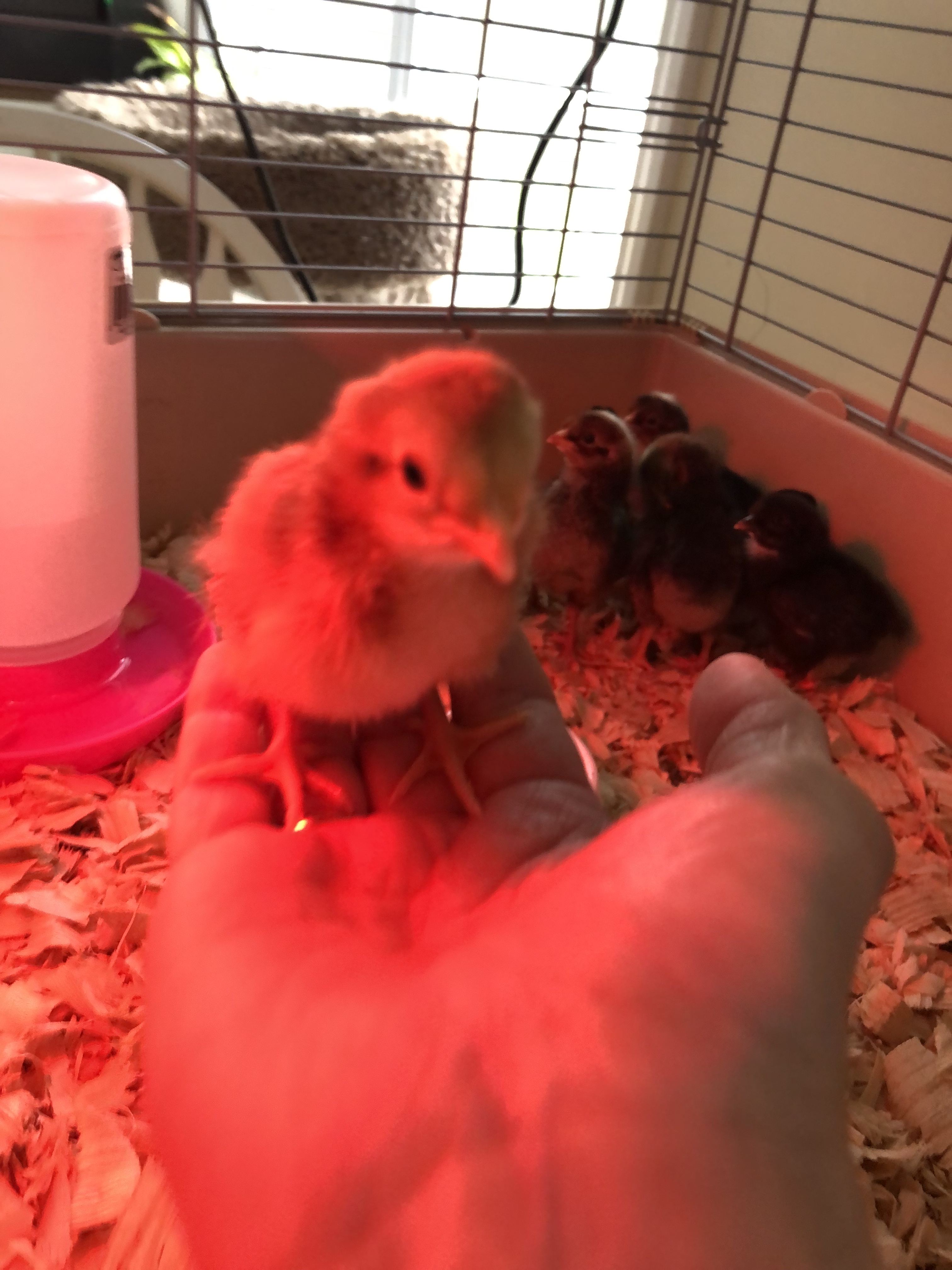
Turns out, Laura had eleven eggs in a brooder, ready to hatch within the week when I called her. She and her husband were going to be candling that weekend to see which eggs would produce. Nine of them hatched on my late mother’s birthday, February 19th. The other two never did.
There are seven hens and two roosters in this group of nine, and Laura texts me weekly updates on them. We can’t wait to bring them home later this month to introduce them to their new coop. For now, they are staying on Laura’s farm while they get a little size on them and we move into warmer days.
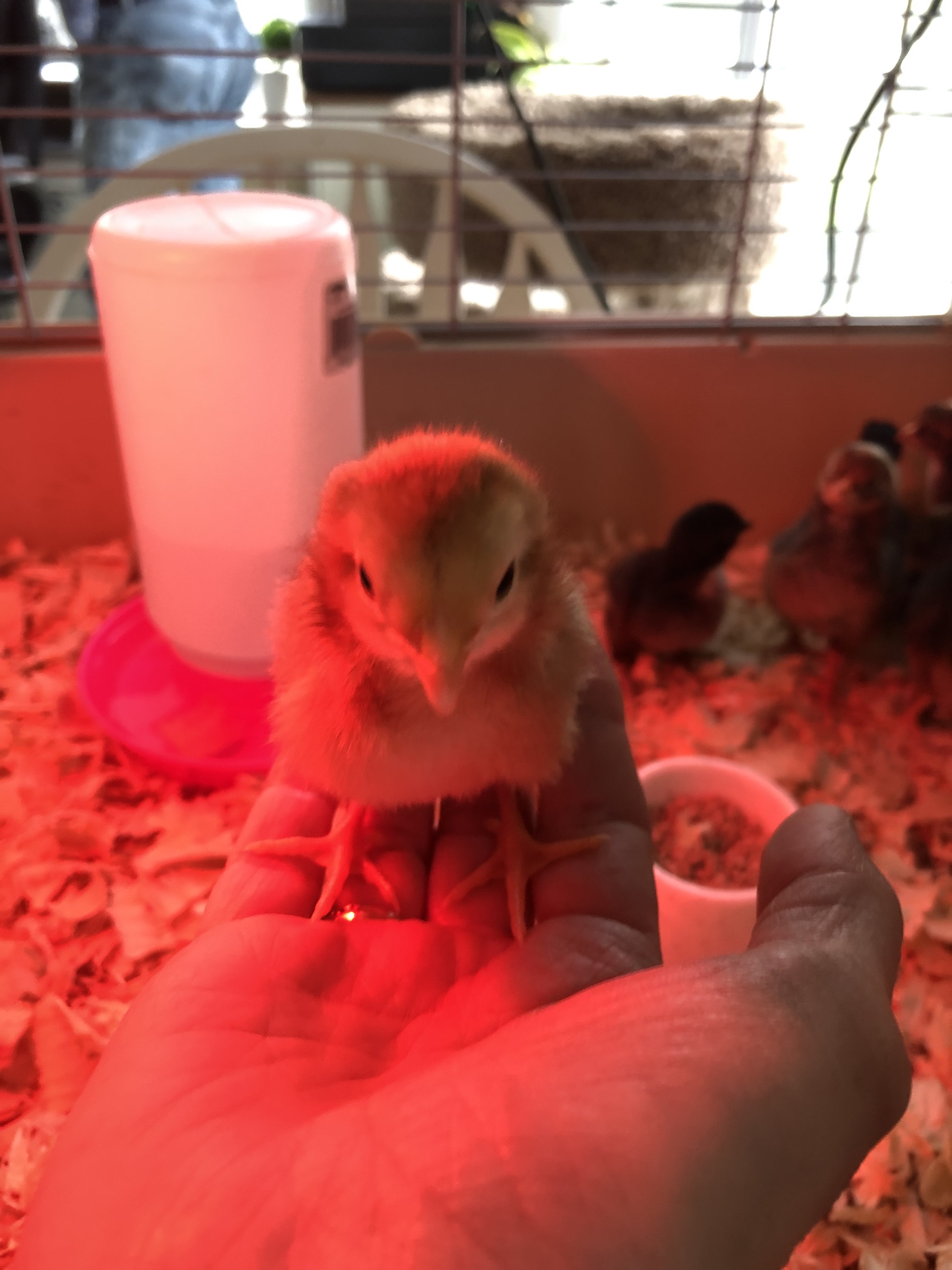
Meet our new babies! We can’t wait to bring them home to the Johnson Funny Farm! Get ready for picture overload and naming them once they come home to roost.
The first day I met the chicks at Laura’s houseLaura sends me updates on the chicks from time to time, with pictures to show how much they are growing. !
We’ll post plenty of pictures on homecoming day in about a week and a half, so stay tuned!




















 Common Threads