
This is the tenth day of the 2026 Slice of Life Challenge, and we are 1/3 of the way through the month of March’s daily blogging challenge. I’m celebrating some of my favorite living poets this month by sharing a Cento poem I’ve created from one of their poetry collections. I was introduced to Clint Smith through a Book Love Summer Reading Club I participated in through Penny Kittle’s group several years ago when we all read Counting Descent. I hung on every.single.line and marveled in the raw truths of exposed feelings. With poetry this rich and moving, the way it made my soul quiver with such ability to see things more clearly, I could not understand why everyone wasn’t rushing to devour more poetry and make it a main course of their reading diets. I understood why all the holiest books of this world are all in verse. I love the way Clint Smith uses lower case letters in titles and lines, and how he takes a perspective of what was said by many voices to a black boy. He writes prose poetry beautifully, too. Here is a poet who will take a reader of other genres and make them a reader who craves more poetry.
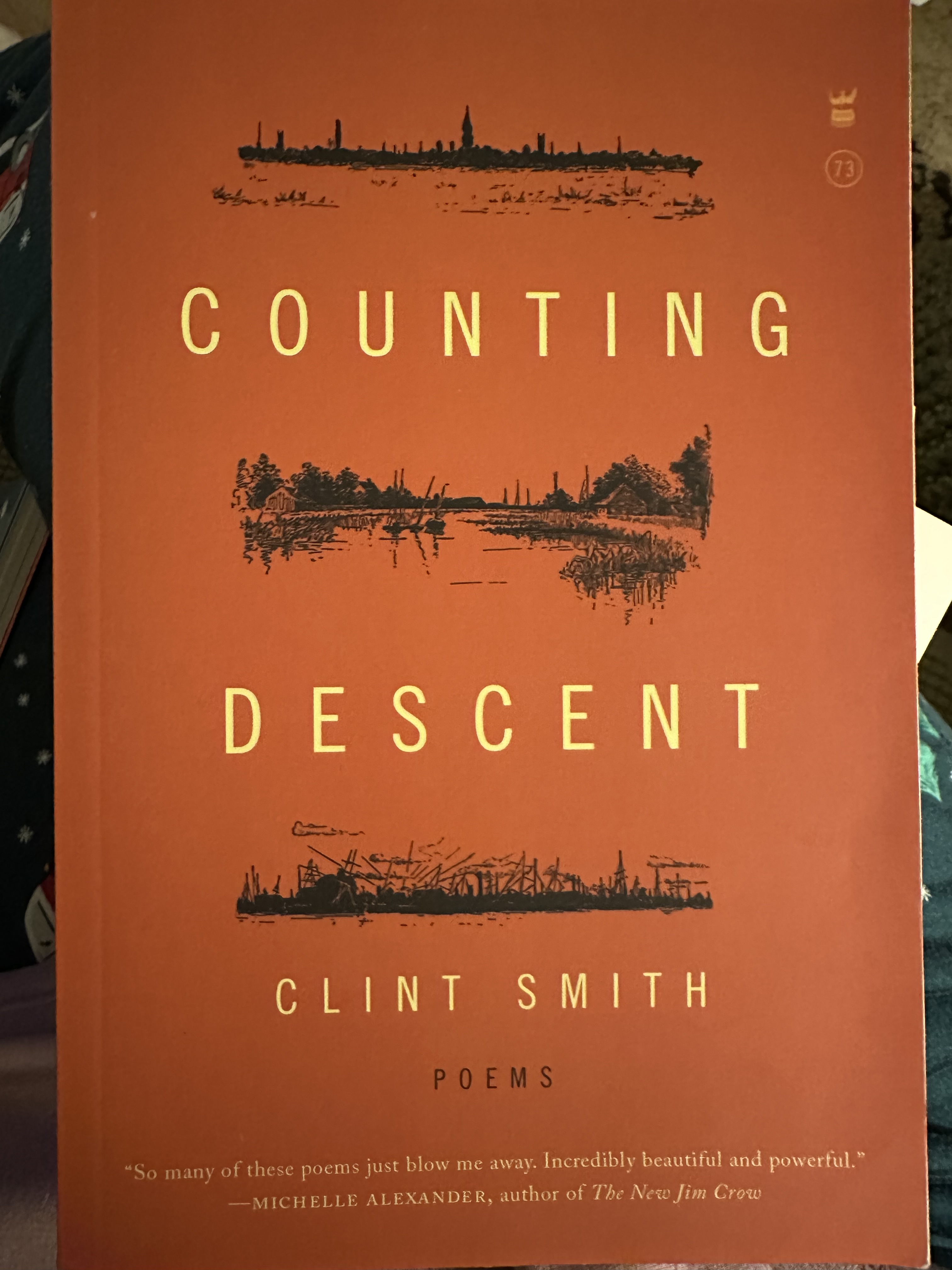
You can read about Clint Smith here. He won the 2014 National Slam Championship, and if I were picking a poet to have lunch with, I’d want my table with Clint Smith.
Invisible
You are invisible until
long after the song has stopped
until there’s nothing left inside
those stained glass shadows
maybe the poem is a cry for help
Taken from: Ode to the only black kid in the class; When Maze and Franie Beverly Come on in my House; what the fire hydrant said to the black boy; what the cathedral said to the black boy; Queries of Unrest.
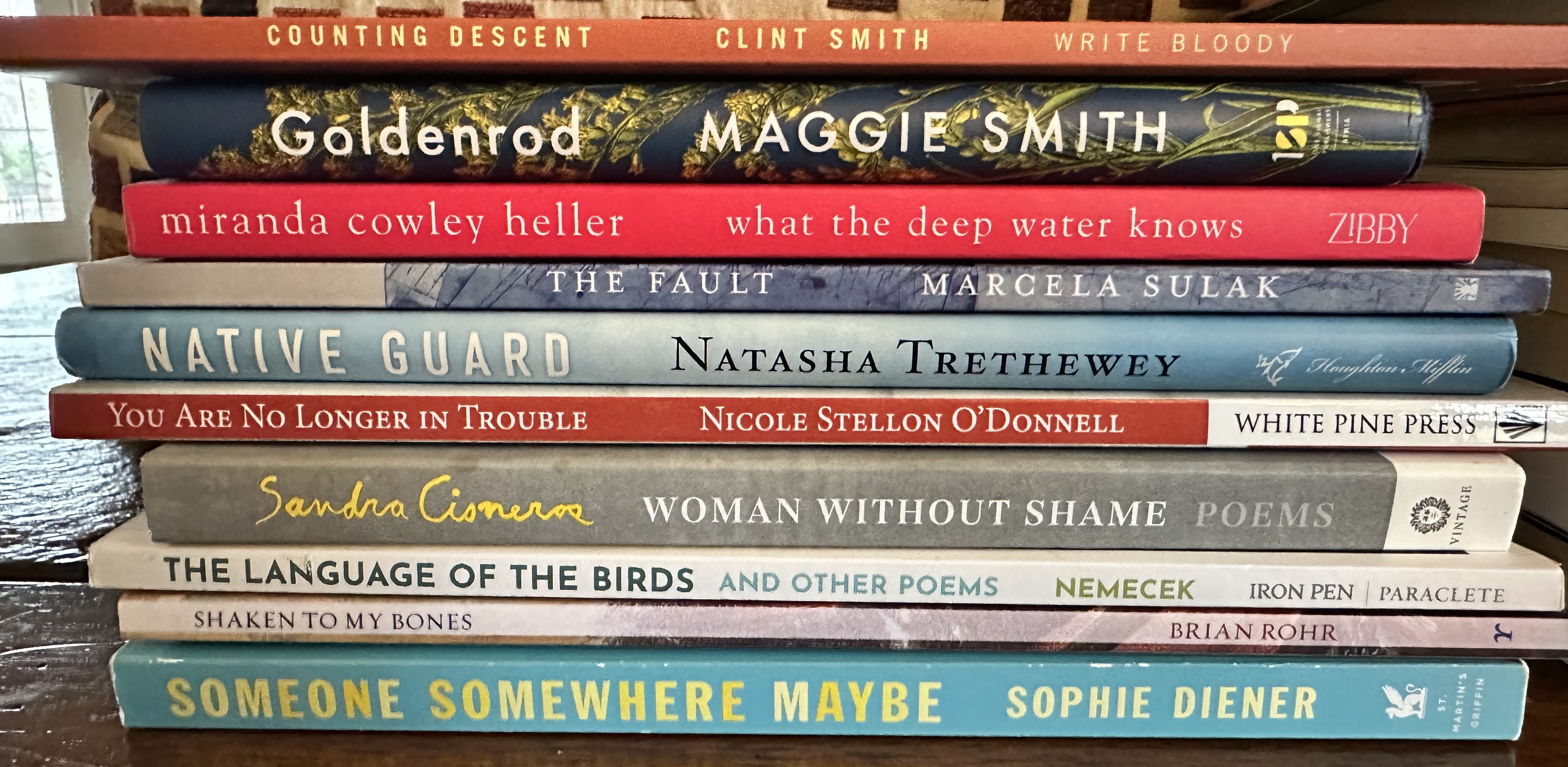
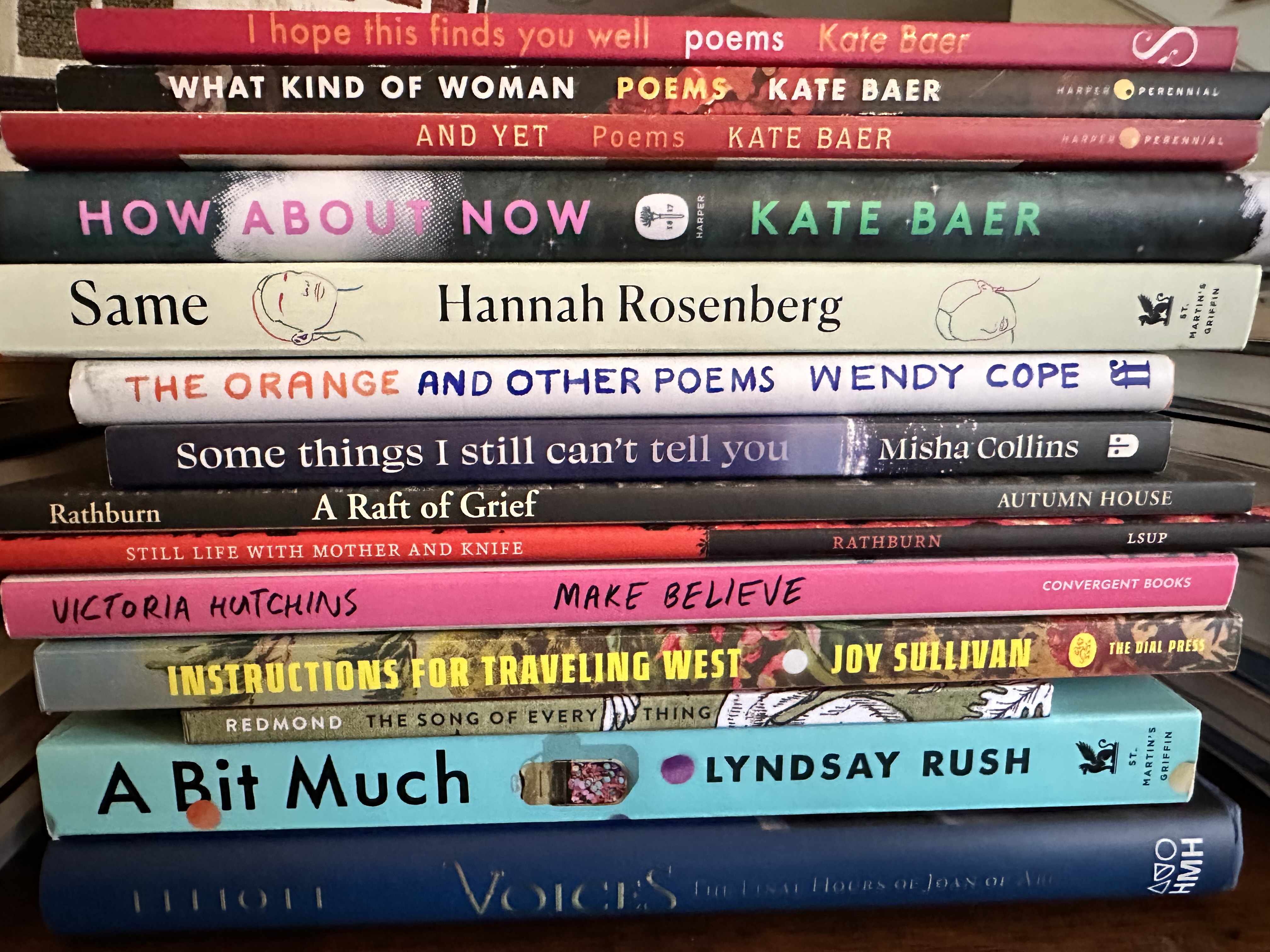


 Common Threads
You are an artist painting poems with love. This one speaks to me “You are invisible until…” We all seek, in some way, to be seen.
LikeLiked by 1 person
Margaret, thank you!
LikeLike
If you are free on March 17th, take a road trip and come hear Clint Smith speak to the students at my school at 9:45am and then in the afternoon, at my friend’s elementary school, when he speaks to their 5th grade class. If not free, know I’ll be writing about him on the 18th. He truly has such a gift for writing! I love your poem and I’m printing it out to show him!!
LikeLiked by 2 people
Sally, if I were retired, I would hop on the flight from Macon to Baltimore and be right there with you! But for now, I will look forward to seeing your post on the 18th. Thank you for sharing the poem with him! Oh, how I wish I could be there!
LikeLike
And be sure to read his poem collection in Above Ground. I love Dance Party, showing what a fun dad he is!! https://onbeing.org/poetry/dance-party/
LikeLiked by 1 person
Sally, I’m adding this to my list. Thanks so much!
LikeLike
https://www.youtube.com/watch?v=r6xsiEdMPw0 Thank you, Kim, for introducing me to Clint Smith. I had to look him up and found this wonderful interview with Colbert, where Smith talks about poetry being the act of paying attention. So much inspiration in his words! I’m grateful this morning for your post and this discovery.
LikeLiked by 1 person
Oh, wow! Thanks so much for sharing that! I love that you found an interview on YouTube!
LikeLiked by 1 person
Your poem is beautiful. I have made a note for myself to go back to all of your slices and create a list of poets to explore when I retire in June!
LikeLiked by 1 person
I’m excited for you! Congrats on the retirement! I am hoping to explore all the state poet laureates in May. That is my next rabbit hole.
LikeLiked by 1 person
Thank you!
LikeLike
Kim,
I too love Clint Smith’s poetry and prose. His second collection is also amazing, and How the Word Is passed is a must read and i d of the most important books I’ve read. I can’t say enough about what an important voice he is, and kids love his poetry, too. Many are excellent mentor texts.
LikeLiked by 3 people
Glenda, I do love his work and need to get his second collection. I’ll put it on an interlibrary loan before my head hits the pillow tonight! Thanks so much!
LikeLiked by 1 person
You’re gonna have to buy it. Trust me.
LikeLike
Kim, I enjoyed this post about Clint Smith’s work. This cento is one of the favorites of the ones you’ve written this month. Beautiful! Thanks for the sneak peak ahead.
LikeLiked by 1 person
Thanks so much, Denise!
LikeLiked by 1 person
Such a touching poem. I certainly appreciate hearing about this poet. I’ll will check out this book. Thanks, Kim!
LikeLiked by 1 person
Thank you, Rita!
LikeLike
So great to read your post on Clint Smith. He is really wonderful. I read How the Word is Passed and think it’s an amazing book. I grabbed my copy of Counting Descent while reading this. I’ve used “Something You Should Know” with classes. I just found “For the Hardest Days” and I think that might be a good choice for my next writing group. Thanks for the inspiration, Kim.
LikeLiked by 1 person
I do love the modeling of his poems and believe that they speak to students and adults right where we are. All the best with your next writing group, and thanks for reading!
LikeLike
This was such a great experience. I loved your poem. Then it made me go back to Clint Smith’s poems. Then I loved your poem even more. I think What the Fire Hydrant Said is such a killer poem. It just hits with so much force.
Last night I sat down to try this poem creation technique. I used a children’s author because I thought I might be sharing this process with a class. It’s very fun, but the crafting is still very challenging to me. It’s going to take practice. I like the process a lot, though. So, thank you for both teaching and modeling. And thanks for bringing me to Maggie and back to Clint.
LikeLiked by 2 people
Thank you so much for your positive feedback and words of kindness. This means so much to me. I agree about Clint Smith’s poems, and I have reread What the Fire Hydrant Said – – I couldn’t agree more that it hits with force! I know what it means to find poetry challenging. I can’t write a reverso to save my life, yet others do it with seamless ease while I stand in awe of their writing. I was thinking about your poetry unit coming up, and I am wondering whether your fourth graders might like Jenga Block poetry. For several years, we had a literacy grant in our state, and I was blessed to be able to curate pop-up community kiosks where people could write poetry and upload their poems to a Padlet. One type was Jenga poetry, and I created a video for it. If you’d like me to share it, let me know and I’ll post the link. This is our first year without the grant in five years, and I am missing all the opportunities it gave us.
LikeLiked by 1 person
I would love to see that video. Thank you
LikeLiked by 1 person
Here is the link https://youtu.be/il8EkPd9Bvg?si=4ls-OME-7An7g95G and there are more at my Common Threads YouTube site. I have hidden many of the older ones, but I made the blocks after watching Paul Hankins’ Blockhead Poetry videos on Facebook. I took Jenga blocks and cut words and phrases from magazines, glued them on the blocks, and then went back and made them double-sided. Everyone from Pre-K students who use a block or two to adults who sometimes use just the words on the block or use the words as starters for lines seem to love this form that makes poetry accessible for all. I so miss the community poetry celebration this year.
LikeLiked by 1 person
This was a really enjoyable post to read! You have a great talent for writing in a way that keeps readers interested. I’m looking forward to your future posts. Have a wonderful weekend!
LikeLiked by 1 person
Thank you so much! You too!
LikeLiked by 1 person