Better Shows
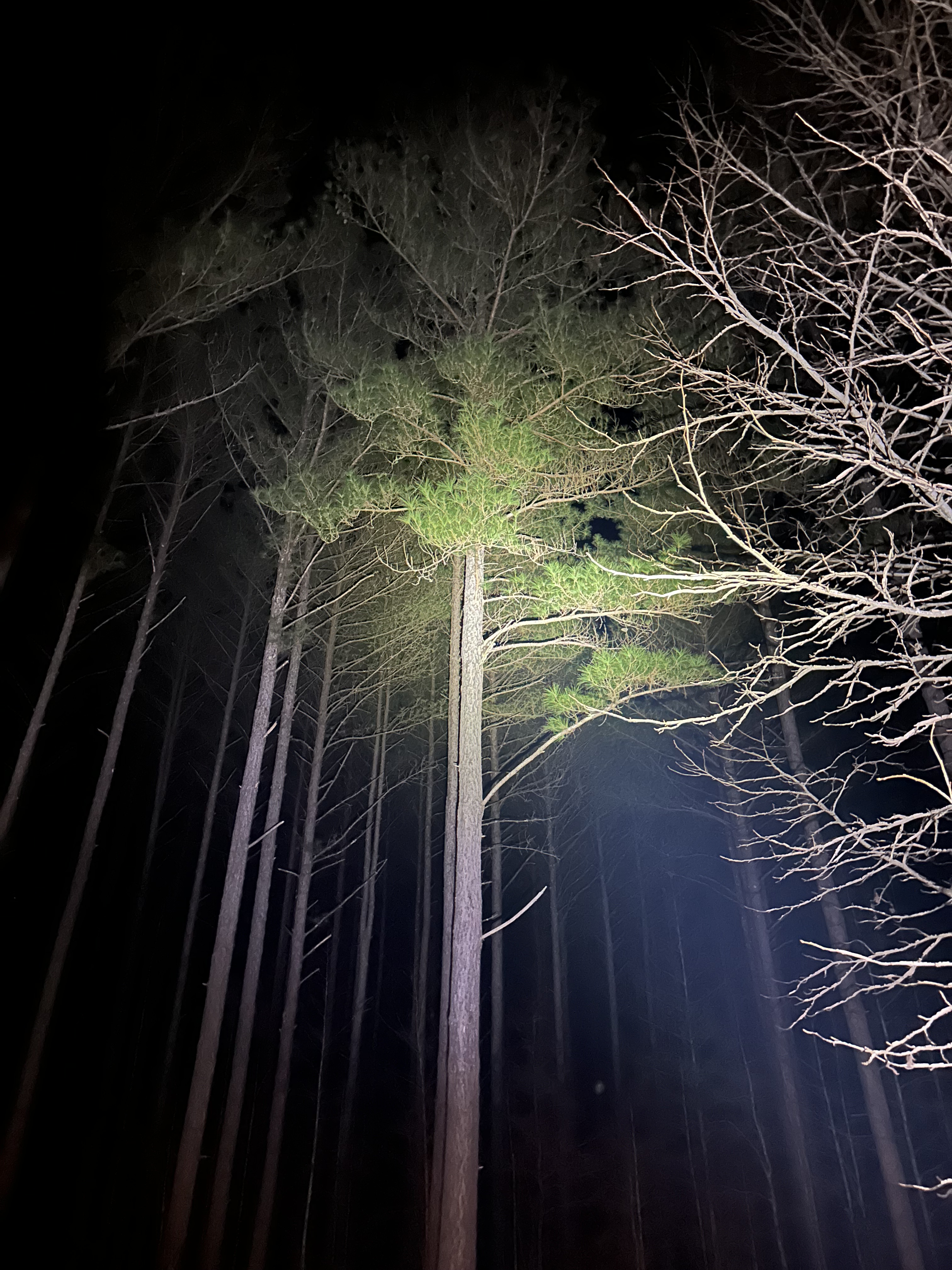
after these night walks
seeing a toad eat a worm
and low-flying planes
we wonder just what
better shows we’re missing while
we’re watching TV

Patchwork Prose and Verse
Brittany Saulnier, our host for Day 15 of VerseLove2025, is the author of the short story LIGHT OUT in the anthology Just YA: Short Stories, Poems, Essays & Fiction for grades 7 -12. She is the co-creator of Read to Write Kidlit, a podcast dedicated to improving writing craft by talking with authors about their books.
She invites us to think of a recent memory where we were “in nature” and write a poem that highlights the three colors from our memory. You can read Brittany’s full prompt here.
All the Colors of Sunset
what do you call the shade of sunset?
sometimes it’s 14-carat gold
other times, it’s tangerine
or pink cotton candy
sunflower yellow
or lilac storm
….the best nights,
ruby
red
long walk after work
out on the farm with the boys
we love exploring!
I come home tired at the start of the work week, which almost always starts out in high gear. All day, I look forward to returning home with the dogs and being able to put on a pair of sweatpants and go for a walk with them. More and more, my heart stays right here on this farm even though my mind and body go to work.
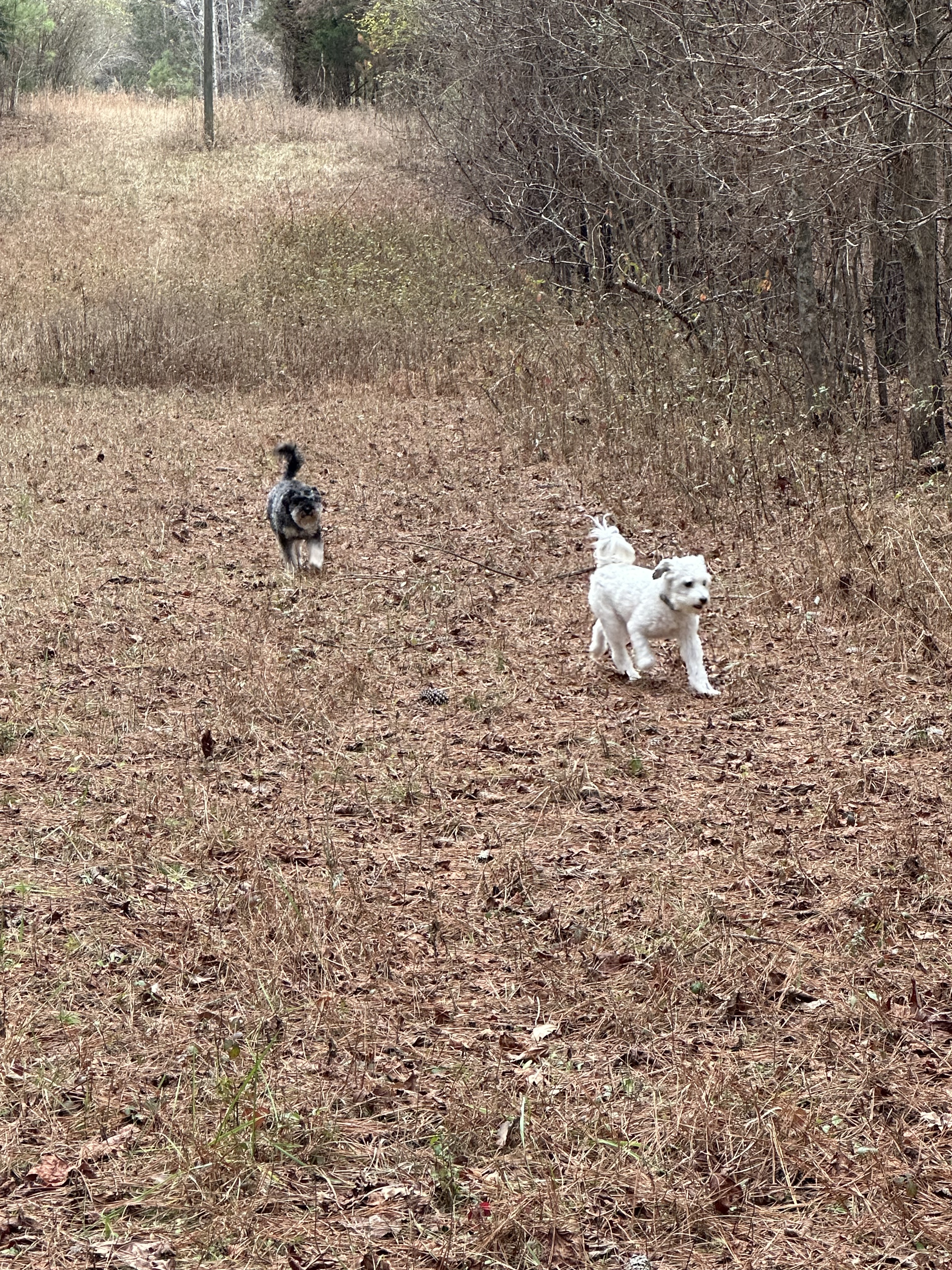
I gather Fitz’s leash from the basket by the front door – the only one of my trio who will chase a critter into the woods and completely lose his way back. Boo Radley and Ollie only lose their minds with excitement to get out the door as we prepare to take to the trails my husband keeps cut back just for us. It’s my slicing time today, my 31 minutes between 5:48 and 6:19, just before dinner, and the boys and I step out into the still-chilly damp air and hear the birdsong. Except for the occasional airplane, it’s all we hear other than our own footsteps.
It’s peaceful. So peaceful, in fact, that I could take the rest of the school year and just take walks instead of going to work, where the phones forever ring, the meetings never stop, and even the delightful sounds of laughter are still…..well, noise.
I signed my contract for another year, and by December of this year I’ll know whether I will pursue retirement starting 26-27 or hang in there for another year on the heels of the coming one.
So much is changing in the world of education, and at times it seems overwhelming to keep up. It seems there is no “staying ahead of the curve,” as there used to be.
The more I take long walks and feel the inner joy of the peace it brings just being home, the stronger the chances of retiring next year. I want to read more than I have the time to read as it is now. I want to take long walks with the dogs in the late morning. I want to press plants and decoupage them onto candles, to sew soft flannel rag quilts in light pastel patterns, to visit grandchildren and have lunch with retired friends…….to bake, to work the crossword puzzle every afternoon, and to get started on some writing projects that work leaves no time to enjoy. I want to think less each night about what I’ll wear the next day based on which meetings are on the calendar.
How does one know when it’s time to turn in the keys and sign on the dotted retirement line? If you’re retired, I’d love to hear your thoughts on this one. On one hand, I feel ready – – even past ready. On the other hand, it all seems so final to walk away from a career in education when that has been my life.
I would love for you to share your perspectives with me. What are your best tips and pointers, and your best advice for someone considering taking the leap?

checking out campers
our three Schnoodles have their say
each wants his own way
We sold our 2022 Extreme Outdoors Little Guy Max Rough Rider camper on March 2nd to a couple from Nashville, Tennessee after two years of enjoying the most exciting adventures in it. We knew we wanted to replace it with something slightly bigger but still small enough to get into state park campgrounds. I didn’t cry, but I have had a hole in my heart since we watched it drive away.
We like being able to take jaunts on weekends and spend time away from the demands of work and home. Our 3 schnoodles stay ready to go, too. They’re campground dogs, through and through. Each asked us to look at one particular kind of camper that they say they’ve had their eye on after chatting it up with the other dogs in our favorite campgrounds, so we dedicated a part of yesterday afternoon to starting the search.
Fitz likes Airstreams. He’s a classic dog with an old soul, very traditional, and he likes the Flying Cloud, the Globetrotter, the International, and of course the Classic models. He’s not picky – – he just wants one with those wraparound windows so he can sit up there with his sunglasses on and watch the girl dogs trot by with their blingy pink collars. He’s a lofty dreamer, to tell the truth.
Boo Radley is more technologically progressive and likes the InTech Aucta Willow Rover model with its aluminum chassis, all-composite woodless materials, and wind-sensor automatic awning. He’s a little more particular about what he likes and doesn’t like, and he’s got his eye on the openness of this camper so he can stay all up in everybody’s business the way he always does.
Ollie is a far more futuristic dog and likes the InTech Aucta Sycamore Rover model with a longer body so he’ll have plenty of room to chase his ball around inside. He likes the spacious seating area so we can all pile up onto one couch and watch movies and eat all his favorite snacks.
We located an Aucta Willow Rover about an hour from our home, so we made the drive over to Southland RV in LaGrange, Georgia during my slice of blogging time to take a look at Boo Radley’s camper pick. (He especially likes it because it is all light gray and white so he can blend right in). We were impressed with the comfort of the seating around the table – and the amount of light and number of windows.

The storage space looks minimal, but that’s how we roll. We don’t take a lot of extras or all the bells and whistles. Two of each type of cutlery, two plates and mugs, a toaster and coffee maker and only small sizes of the things we need suit us fine. Years into this journey, we’ve learned that less is SO MUCH more.

The table turns to allow ease of getting into the U-shaped dinette, which is nice, but we weren’t impressed with the lack of counter space for our coffee maker and toaster. We’ve become modification dabblers too, though, and there are surprising ways of making things work in small spaces that at first might not appear that they could.
For now, though, we continue to compare and shop and look and research.
And dream, along with Fitz, Boo Radley, and Ollie.
Last week, I heard them before I saw them – which is rarely the case. Usually, they’re perched up on a tree limb or on a wire watching for the slightest rustling in the underbrush below, looking for living snacks. Not last week, though. The house was quiet, when out of nowhere the familiar cries came nearer. Soon, they seemed right overhead – and sure enough, I stepped out onto the front porch, glanced up, and saw them.
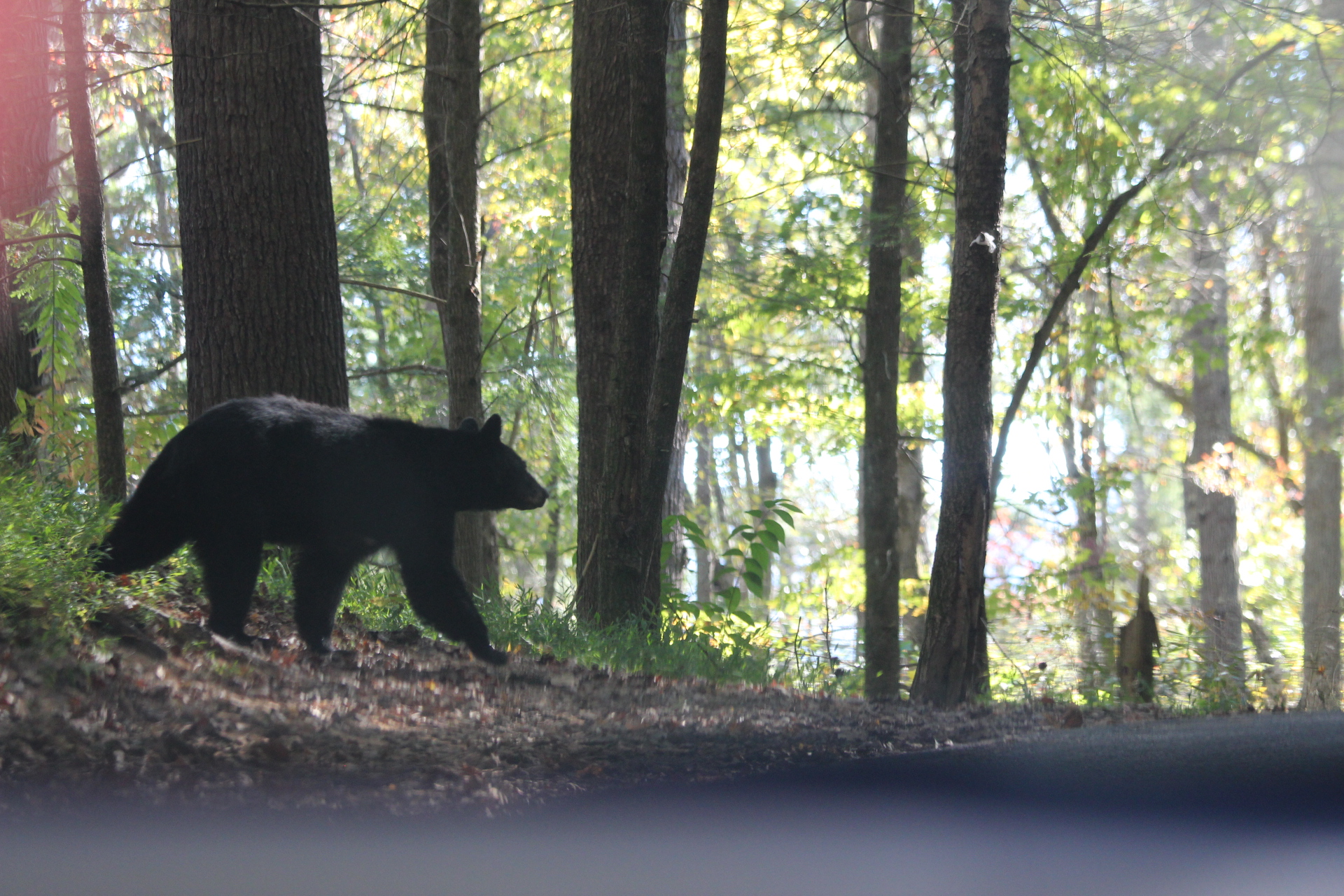
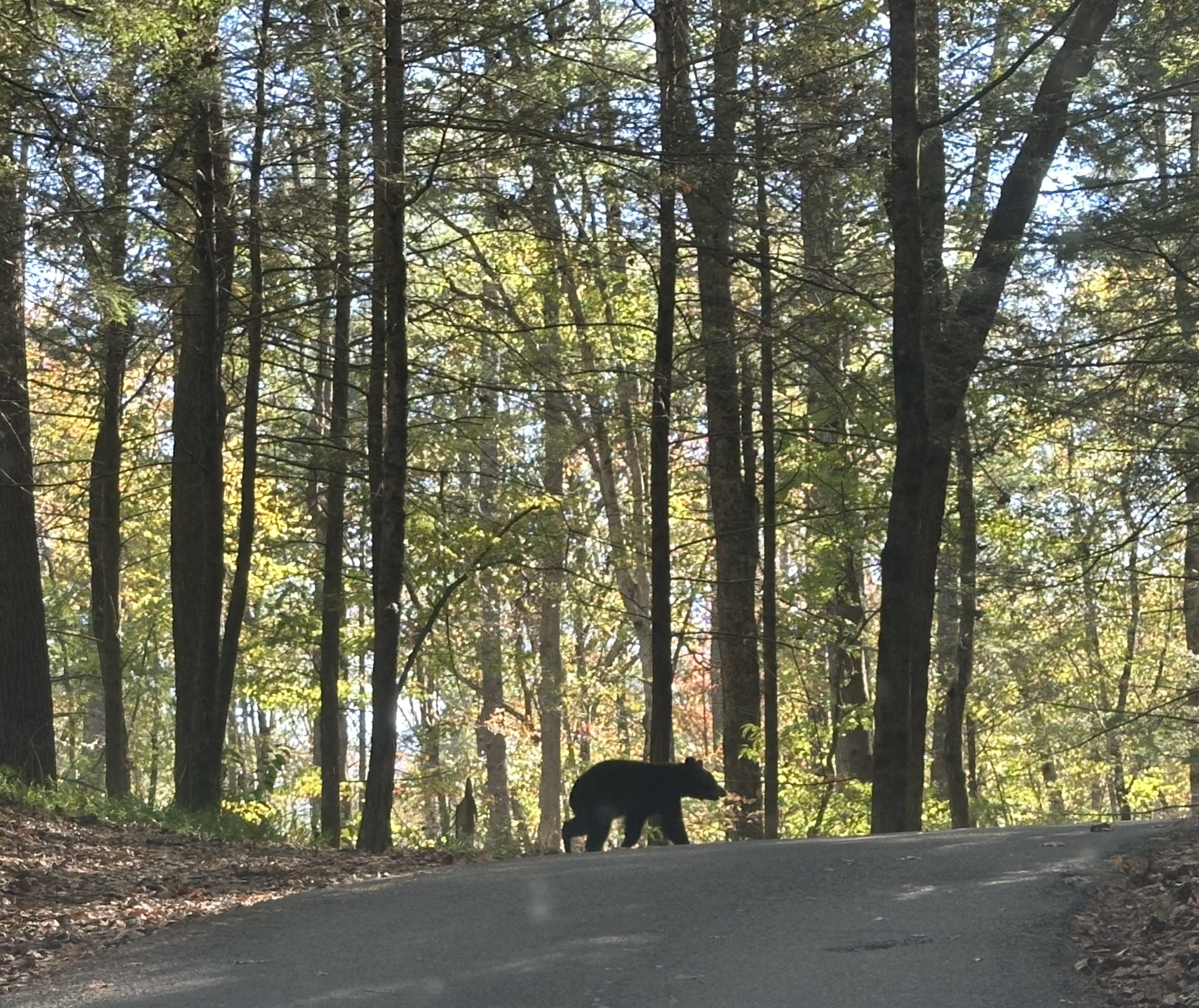
I feared for our families of rabbits and our raccoon (which may actually be one of a pair with little ones) that has just checked in to live among the wild critters at the Johnson Funny Farm. We have a revolving door for all kinds of furry and feathered and scaly and armored friends, from armadillos to foxes to possums to raccoons, to rabbits, field mice, bobcats, fox-squirrels, chipmunks, owls, herds and herds of all-day-deer, rogue donkeys and wayward cattle (even bulls, yes), escaped horses, dogs, snakes, skunks, coyotes, birds of all kinds, and feral cats. We have even had wild boar come through years ago, and a mysterious creature that my parents swear was a Florida panther back in 2010, even though I still question that. We believe we have had a bear, too, on the wilder side of the farm where hunters once took the back gate down and began dumping deer heads and wild hog carcasses like it was a regular landfill back there before we reinstalled a heavier gate and an old non-working camera with a No Trespassing sign.
Seeing hawks, though, as often as it happens, is always a bittersweet sight. I love the majestic presence, but even as I near the age of 60, I am still skittish about the brutal cruelty of nature. And so much of it goes on right here in the woods.
Just like the regular world we live in, where most of us feel more like rabbits right about now.
Red-Shouldered Hawk pair
circles overhead, seeking
unsuspecting prey
We live in the middle of a forest. These massive pine trees surround our home on all sides and shelter us deep in the woods, basically cut off from any form of civilization. We have to get dressed and venture into society to see other living, breathing human souls. What used to be a fully operating cattle farm has been, little by little over the years, turned from cow pasture to pine tree farm – which is why, when I tell my work friends that I must go home and walk the dogs sometimes at lunch, I am met with blank stares. They don’t understand that when I say I live on the Johnson Funny Farm, this basically translates to the Johnson Wayward Wildlife Jungle.
We never know what we’re going to see, and we can’t take risks that our pack of house Schnoodles won’t go chasing anything that moves. Two of the three must be on leashes at all times.
Except Boo Radley~
his dad gives him a leash pass
(doesn’t see the need)
He saw it last night, for the second time in two weeks.
I’d just gone to bed and gotten settled to try to figure out Wordle at the end of a long day that included a two-hour extension to help with registration at our high school when I heard my husband frantically yelling Boo’s name. I sprang up, careful not to slip down on the wood floors after just putting the magnesium cream on my feet to help me sleep better, making it to the closet to get my slippers. I knew instinctively this would require entry into the thicket.
Sure enough, Boo Radley had taken off and was marking territory at the bottom of a pine tree, where once again he’d treed a coon. This happened for the first time less than two weeks ago, but here we were again, another (or maybe the same) frightened raccoon staring down into the high beam of our flashlight, wondering what kind of dogs we are raising in this house.
He gets proud of himself and tries to sport the Alpha Dog swagger after a thing like this, but it’s all lies. He is not the alpha anymore, and he knows it deep inside. He’s just obnoxious.
Take this morning, for example. I’m generally the first one up, and so I take the boys out around 5:00. They usually go right off the edge of the walkway and do their morning business, and it takes less than two minutes………until Boo decides to go over by the gardenia bush and gets wrapped around the birdbath and pulls it over, completely full, right at my feet. I was grateful it was not the block of ice it was two weeks ago.
Still, I laugh at the comedy of it all. We’ve often wondered why Boo was abandoned, needing rescue in his younger years. He isn’t an easy dog by any means…….but we love him, and if it weren’t for him and his brothers and all the wayward wildlife critters who wander up and want to be a part of life here, we wouldn’t be able to call it the Johnson Funny Farm.
You gotta be a little sideways to end up here.

I am one with Mother Earth, my feet
grounded in the rich, fertile soil
footprints leaving impressions
as the pores of my soles
pour into my soul
the lifebeats of
universe
pulsing
up

As I continue along the journey of my One Little Word for 2025, enough, I’ve been thinking lately about the stewardship of how I over-own things – do I selfishly trap them and call it collecting, or have I done my part by passing them along when they have lived their best life with me?
I think we all have a tendency to hoard things – to save a penny for a rainy day. But what happens when the collections have taken over our lives and the proverbial pennies are now quarters and dollars, anchoring us instead of freeing us? In 2023, I looked at all the boxes in the loft of our barn and in our attic and stepped back, taking it all in. I hung my head in shame at what I saw. It was like a graveyard of opportunity for still-useful items never seeing the light of day anymore, and I was the undertaker. I was the bad guy in the parable of the talents, burying the promise and potential of what had been entrusted to me. No, I have not been a good steward when it comes to things.
Once upon a time, I heard a saying shared by my father in a sermon. He reminded us all not to be those people who get all we can, can all we get, and sit on our can. At the end of 2023, I realized I’d been sitting on my can. And I needed to take action.
My grandparents grew up during The Great Depression, and learned about their stories when we would go visit them as my brother and I were growing up. My paternal grandparents lived in Waycross, Georgia, and they were the absolute King and Queen of double coupons. I learned a lot about frugality from them – about saving, about the concept of “enough,” and also about the disadvantages of too much. My grandmother clipped those coupons and looked for whatever was free – whether she had a plan to use it or not. At the heart of this was the need for protecting – for providing and provisioning the essential needs of a family, and I began in those days to understand the way that money could be stretched.
I used to hear the water come on, go off, come on, go off – – and years later, I realized that she showered that way. She got wet, turned off the water and lathered, turned it on and rinsed, and repeated. She double-couponed so much that they had an entire storage room of cereals and other dry goods. I was having a bowl of cereal on one visit when I noticed something moving in the milk. On close inspection, I was horrified to discover that I was eating bug swimmers. From that experience, I learned the importance of checking expiration dates.
But I also learned something else: the extreme effort on not wasting water did not transfer to the waste happening when the dry goods spoiled before they could be used. Sufficiency seemed at odds between having too little and having too much – and there are problems on both ends of that spectrum when we forget the importance of fine-tuning our needs to the middle ground of enough.
All this examining things and re-calibrating my mindset about the things I’d accumulated made me think of a childhood story that my mother used to tell me. At one time in my life, I was an aim-to-please rule following preacher’s kid who, in my young child voice, would ask my mother, “Did I bees good?” whenever the stringent need for good behavior in church or at some event, visit, or outing was over and done and I was needing my recognition and report card on my efforts. Likely, I was ready to get back to business as usual with a little badness kicked into gear and let go of the need for my best behavior.
But as I looked at all the things I was holding hostage in my barn and attic, I wanted to re-ask that question through a different lens: Did I bees a good steward of things?
Nearing 60 with retirement dreams of lightening the load to ease the way for RV travel and a significantly downsized house in the near future, I began a quest last year to clean out our home and attic and purge the anchoring cargo of a lifetime of teaching and boxes of mementos and sentiments that have outlived their purpose in my life. It’s time to prepare for the next chapter – whatever that may be. No one can move forward who is so heavily anchored in the past.
I have a question:
Did I bees a good steward of things?
Or did I hoard them?
I read a game-changing book in 2024 by Robin Wall Kimmerer, entitled Braiding Sweetgrass. At several times throughout the book, I found myself silently weeping tears for all of the boxing of things I have done in my life. As I turned the pages of that book, I imagined the life involved in all these items – the trees that once stood tall in the forest sheltering nests of woodland critters – trees that gave their lives to become books and furniture and toys; the plants that yielded cotton and other fibers to become linens and towels and clothes; the hands of craftsmen and seamstresses who shaped the creation of each thing. I was gobsmacked.
In the first month of 2025, I finished Kimmerer’s most recent book, The Serviceberry, in which she discusses the ethics of reciprocity in a gift economy. Abundance and gratitude are at their purest when we understand the concepts of the gift economy as opposed to the market economy. There is life-changing magic in the mindset and understanding that the notions of self-sufficiency and hoarding are at odds with our values and people we hold dear – and may actually be harming them. Her essay that summarizes the main concepts in her book is available here, but I offer this warning: be ready for a seismic shift in your thinking once you read it. It tops any sermon I’ve ever heard on Matthew 6:26, and ironically, birds are at the heart of the Bible verse and at the heart of The Serviceberry.
It begs the cyclical question at the end of each day, each week, each month of striving to live in a more simplistic and abundant way: did I bees good? And at the end of 2024, I could finally say that I’ve moved from being a failing steward of accumulated things to passing with a C. I still have a way to go, but I’m doing the work of managing the mountain by keeping my One Little Word front and center. I don’t buy the extra tube of toothpaste just because it’s on sale – – because I have enough. I leave some for others, and I leave room for honoring the uncluttered spaces and the sense of order. And I can feel it.
This December, I’m slowly making my way through Calm Christmas and a Happy New Year by Beth Kempton (2019), and in Chapter 3, she presents ways to seek comfort and joy in winter by seeking our natural rhythms and learning from nature.
She shares her experience searching for deer with her father when she was nine years old, hoping to capture photographs of them at dawn when all the rest of the world was still sleeping. Through this experience, she is certain that she finds her spirit animal and holds to the belief that the fallow fawn shares secrets that lead to discovery and strength, even still through the memories she made that day.
Another reflection she shares is her rhythm of childhood winters, with such predictability that there is great comfort in the daily routines and patterns of familiarity – getting dressed by the heater, pressing her nose against the window of the toy store, eating porridge each morning, caroling, bedtime stories. What can seem humdrum has roots of dependability in the knowing that things are the way they are and taking a deep sense of certainty in the simple, mundane living of days.
Kempson writes in Chapter 3, “At this time of year, it’s natural to slow down, prune our lives of extraneous details, reflect on past events, and tend our hearts, minds, and bodies so we are ready to flourish again.” There’s a quietness to the process. To contemplate our winter rhythms, Kempton encourages us to find a still, quiet place and think about what brings us comfort and joy at this time of year, and throws in a glimmering question to chew on: what would radical winter wellness look like for you?
Radical winter wellness – what a concept! At first thought, a cup of steaming hot tea with local honey and fresh lemon come rushing to mind. Long walks with the dogs across the farm, breathing plenty of fresh air deep into the lungs seems like ultimate wellness also, along with simmering soups chock full of fresh vegetables with bright orange carrots just right. Zesty navel oranges and cinnamon oatmeal with brown sugar, and quiet moments of reading by the fire all proclaim wellness, too.
And radical wellness for the mind. That is found in a stack of delightful reading and a crossword puzzle – and I’ve ordered a calendar with them so I have a short puzzle each day to chew on – – a mini crossword like a small piece of chocolate from a candy jar – just enough to satisfy. Just enough to bring comfort and peace.