March 9: 9:16-9:47 Clap if You Believe in Fairies!

Late-to-Rise Leprechaun: A Modified Limerick

a leprechaun sat ‘neath the shamrocks

with buckled hat, red beard, and striped socks

his faeries he queried

am I late? I’m quite w’erried

so ye be, chimed the three,

(one with book upon knee),

even fairyland can’t turn back time clocks

Top o’ the mornin’ to ya! I took a spur-o’-the-moment trip south to visit my family as my brother and sister in law and I try to help Dad tackle some tasks he can no longer do on his own. Chemotherapy has zapped all of his strength, and we (and others) continue to try to help where he will allow it – which is not nearly enough for any of us to feel satisfied, but that will take the luck o’ the Irish and a lot of prayer to change. He’s testy with us, seems skeptical, and wants to be left alone. He’s made it quite clear.

Before my brother and I visited him, I had a little extra time to check out the Ace Garden Center on St. Simons Island, Georgia, and I’d spied a little leprechaun in the robust fairy garden section that I’d planned to go back and get after visiting with Dad. I was there to look for spider plants, known for improving air quality by giving off oxygen in their transpiration process. But leave it to fairies to lure me down the aisle of wonder and intrigue. While I don’t have a dedicated fairy garden, my whole front porch is filled with fairies in their own plant container homes.

Imagine my delight when my sister in law, Jennifer, asked me to swing back by the house after visiting with Dad. She’d known just the medicine I’d needed – – a little fairy magic to cheer me up! She’d read my blog yesterday morning and beat me to the fairy section, choosing the perfect assortment of fairies – and the leprechaun – to sit on the edge of my shamrock plant as a gift – – making them so much more meaningful. Each time I look at the leprechaun, I smile. And what she didn’t know was that I would have picked the fairies dressed in green – – for an extra sprinkling of Irish fairy dust!

When I opened the gift, a black nose appeared out of nowhere – – JoJo, one of their black labs, sensed the magic and joined the fun, studying this leprechaun and his trio of fairy friends, as mesmerized as any dog has ever been. Her fixation on them – even trying at one point to take the leprechaun by the beard and run off with him – lightened the mood and made us all laugh.

Sources say that there are no female leprechauns, and that these little magical creatures are the unwanted children of the fairy family – – grouchy, closed off, and untrusting. With their stubborn, curmudgeonly, cranky attitudes, even leprechauns need someone to show them some love – trouble is, they have a hard time accepting it.

I have reasons for understanding the close relative of the leprechaun in folklore – the Clurichaun, drunk and surly beings who are known for clearing out entire wine cellars. And I must admit: I, myself, a mere human, along with my brother and sister in law, had broken into some wine over the weekend. But let’s be real – – the leprechauns drive them to it.

There comes a time in life when all children can do is clap if we believe in fairies, to envision Mary Martin as Peter Pan rallying us along, to hope the lights don’t fade too quickly.

Jo Jo checking out the leprechaun and fairy trio

Girls’ Getaway to 1811 Sunflower Farm Cottage in Rutledge, Georgia

We get away a few times a year to

read,

write,

talk,

s

sleep,

eat,

think,

work crossword puzzles,

adventure,

travel,

lounge,

sip wine, and

laugh late into the night.

This time, my sister-in-law and I rented an old farmhouse from 1811 in Rutledge, Georgia for two nights. I’m sharing the photos below. If you ever need a place near the University of Georgia but on the backside of nowhere, check out the 1811 Sunflower Farmhouse on Airbnb. We entertained the ghosts and wondered what their lives were like with 12 children living in the upstairs loft like Laura and Mary of Little House on the Prairie days.

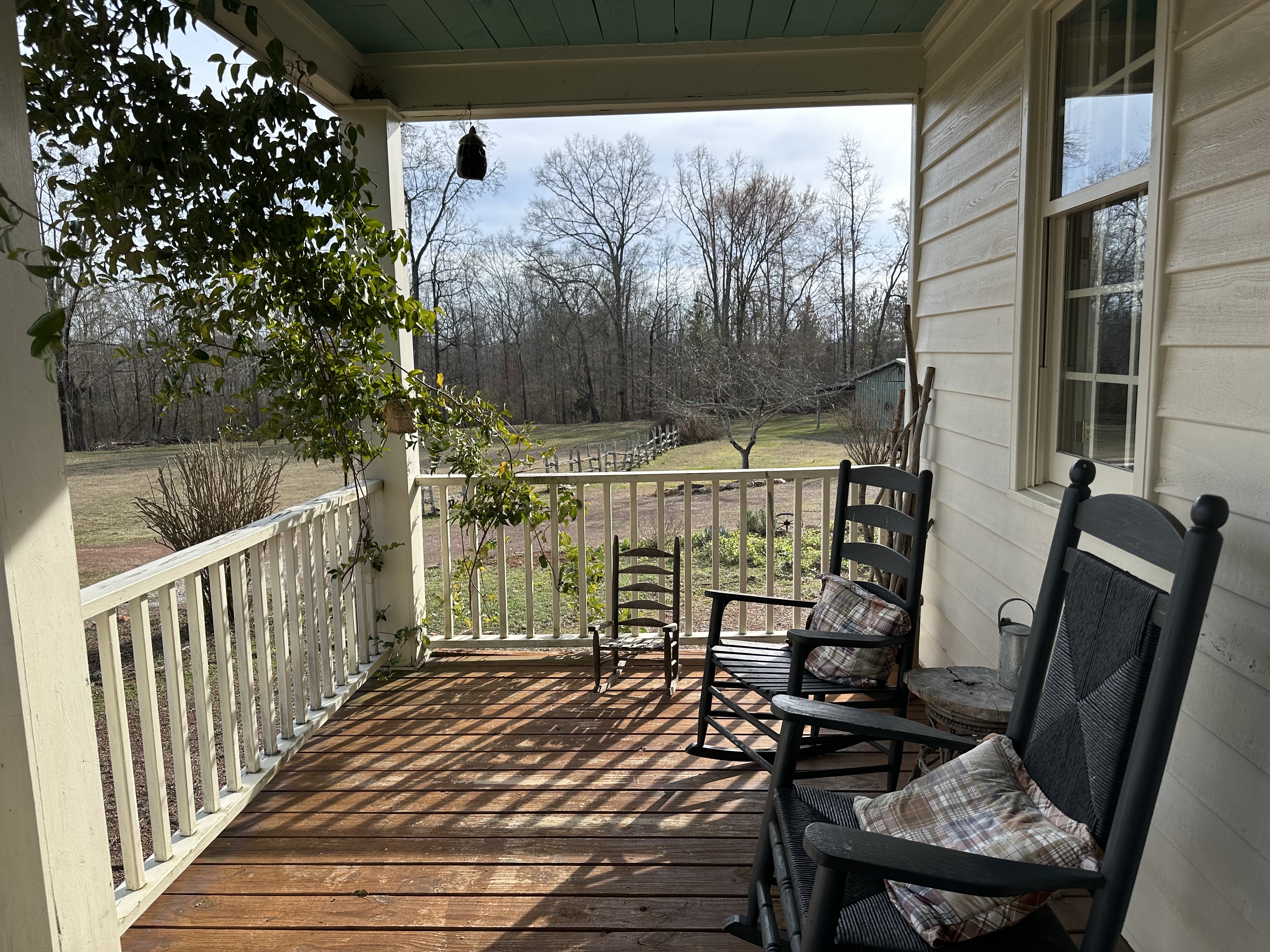
From the time we saw the daffodils greeting us at the front stoop, we knew we’d found a friendly place to spend a couple of nights. The front porch confirmed it, with its lazy rocking chairs and climbing vine with a bird nest hidden in the foliage, looking a little bit like a Goldilocks house without the bears.

We opened the rustic door to the welcoming charm of the antiquated farmhouse and were swept back to 1811, imagining the satisfaction of the new homeowners of a bygone era, who have long since departed this life. The second set of owners had 12 children sleeping in the loft upstairs.

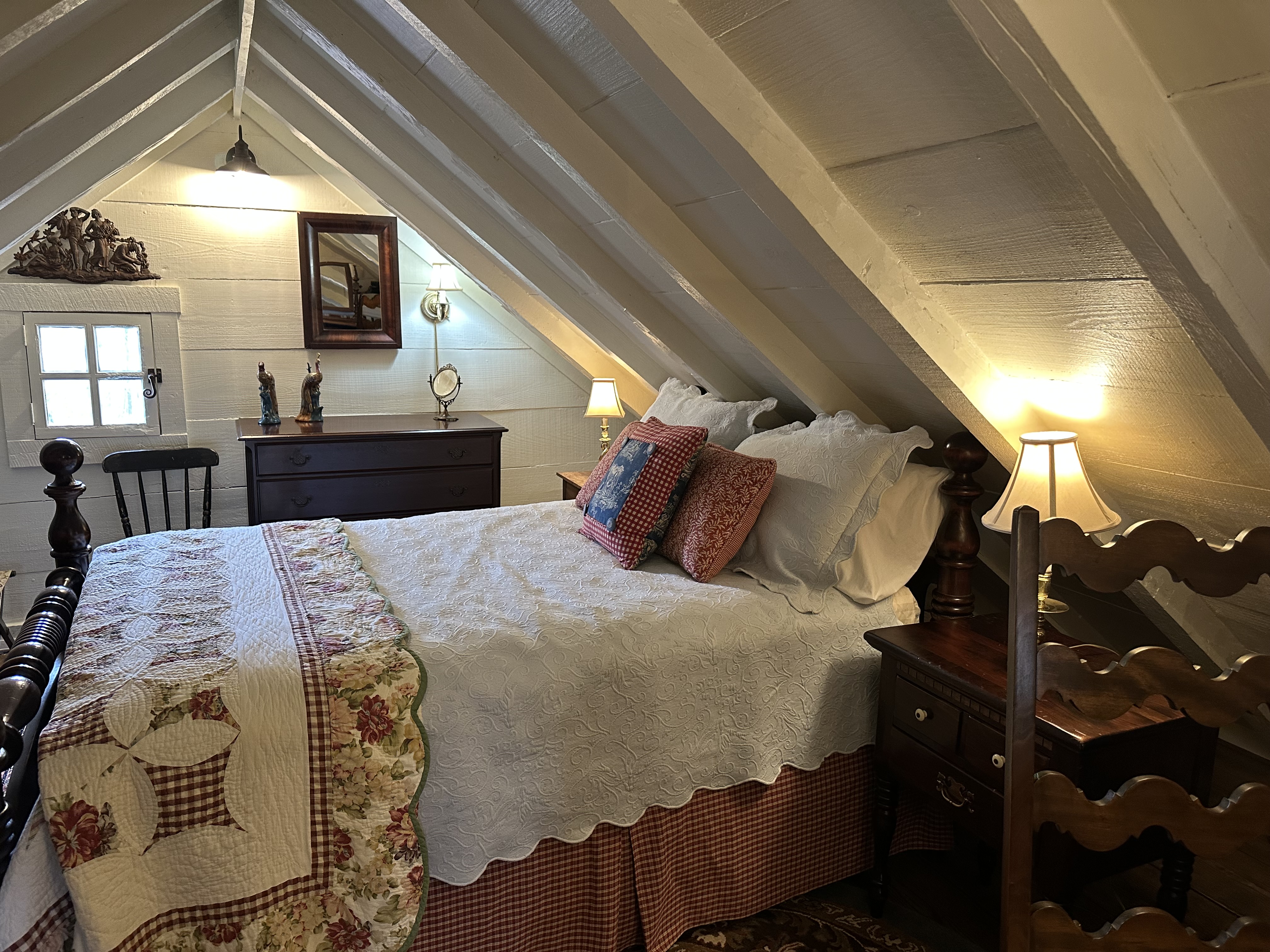
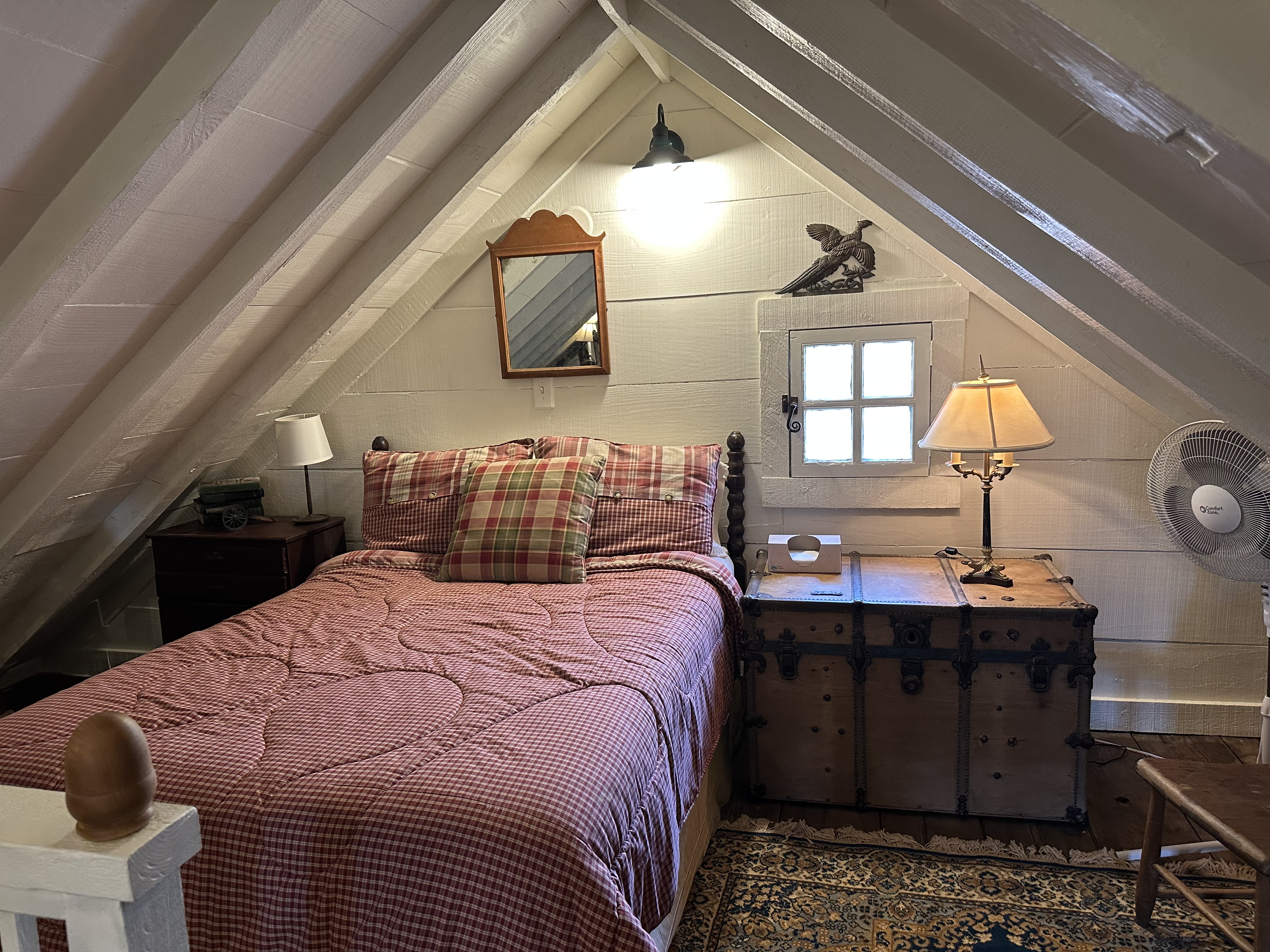
There were no building codes in 1811, and I understood at once after climbing and descending these steps why they threw all the youngsters up there. I went up long enough to get pictures and admire the ceilings and antiques up there, but after my fall on the steps at work a few years ago when I broke my ankle, I held on extra tight. 1811 held elements of danger everywhere. I could not stop thinking about fire and falls, and those were just the two obvious threats.

This is the bed where my sister in law slept, figuring that she was less likely to bang her head on the ceiling if she had to get up in the middle of the night and make her way down to the bathroom on the first floor.

This is the bed where I slept (I’m older than she is, weigh more than she does, and those steps were too steep for me – so I took her up on the offer to sleep downstairs). It was cozy and warm thanks to the electric heater (a look-alike fireplace) tucked into the fireplace at the foot of the bed. The farmhouse does have central heating, but the lack of insulation made the heaters extra-appreciated with the ever-present chill in the air! I’d predicted that with an old house like this, I would need my heated throw, and it sure came in handy!

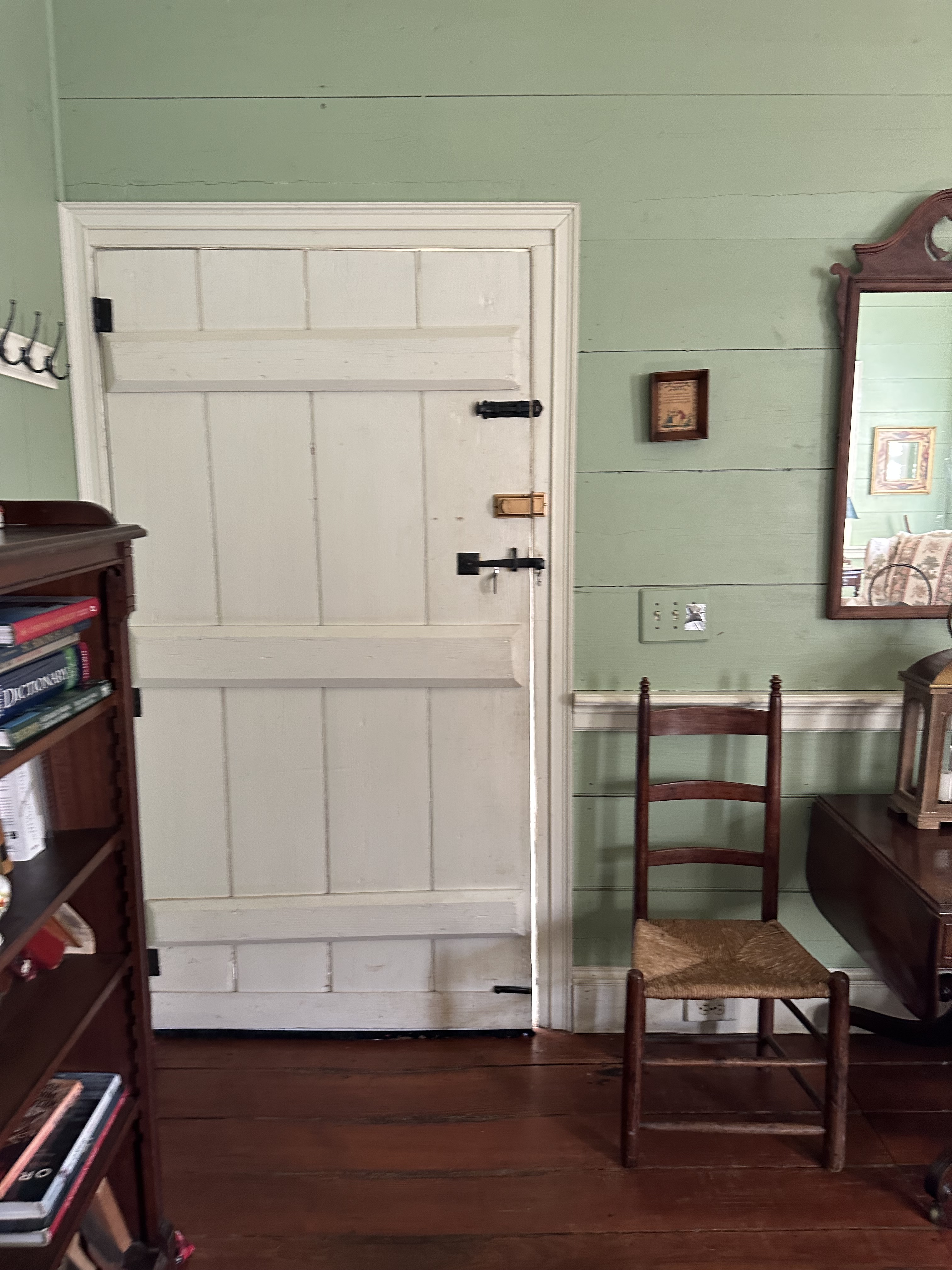
The front and back doors had different latches to hold them shut at the top and the bottom, but we still had to use the stuffed pillow at the foot to keep the drafts out. Thank goodness for a sister in law who can figure out the tricky latches of yesteryear.

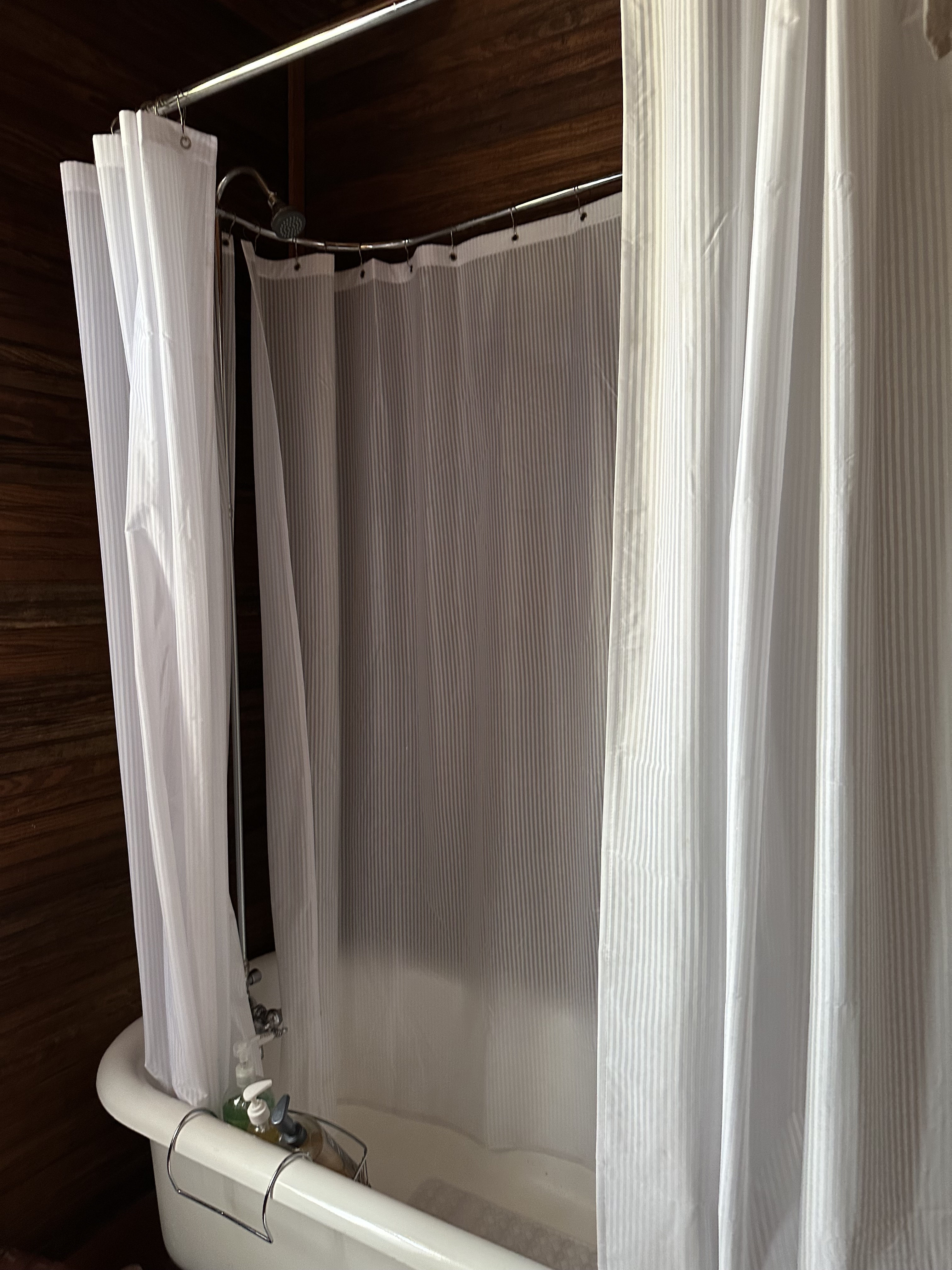
The nostalgia is real, and the tub is beautiful, but let me be clear and completely transparent: this tub ain’t for old people with hips and knees on the verge of collapse. I got to the point where I had to rinse off, but I showered quickly and exited this beauty of a tub. A long soak with salts and bubbles was out of the question. I would not want to climb in and out of an old tub often.

On the description, we noted the farmhouse had a kitchenette, but we were disappointed when we arrived that it was not to be found. Not until one of us went to the bathroom, only to discover that the kitchenette is tucked away – a tiny space all its own behind the water closet (you can see the edge of the toilet in the lower left of the photo). We were glad we finally found it, since we’d stopped to get groceries (yogurt, milk, cheese) so we wouldn’t have to leave if we didn’t want to go anywhere.

I worked a crossword together with my oldest daughter, who lives in Las Vegas. I’d send photos and she’d send answers, and I’d update what I had added. It’s nice having the time to enjoy the unexpected small surprise moments that you can capture on a getaway when you finally have a little time for enjoyment on your hands.

And we all need more of that!


Tea and Writing With Friends

Unexpected kindnesses can happen anytime, in the most needed ways. A couple of weeks ago, fellow slicer and friend Barb Edler of Iowa reached out to see if I wanted to be part of a small group she was putting together for The Stafford Challenge of daily writers in our second year of writing a poem a day for one full year. Each of us writes in three common writing groups and have met in person to make presentations at NCTE. We keep in touch, and I’ve often thought that my friends in the midwest and west coast and I share deeper connections than friends sitting next to me each day at work – – because we share the bond of kinship through writing. And I’m so thankful for this, because along with Denise Krebs and Glenda Funk, we found we were kindred spirits all seeming to need a lift right about now. Each of us shared a poem via Zoom that we’ve written recently and found a common thread – a numbness, disbelief, sadness about what is happening in our world with its shocking politics, heartbreaking plane crashes, and other woeful wreckage.

There are no words to capture the deep feeling of comfort that comes when you sit with friends, near or far, with a cup of tea and spend time sharing writing. I’m thanking each of you today, because that’s what slicing does, too. It brings us together to share what is foremost on our minds and hearts and keeps us in touch with what is going on in our lives across the globe. I love having my gardening friends, my RV bloggers, my travel buddies, my fellow grandmothers who share amazing ideas, fellow readers and birdwatchers and more. Thank you for being a writer in my life.

I’m sharing my tricube (three stanzas, three lines per stanza, three syllables per line) that I shared last night (below). I’m also making plans for March slicing – – I’ve sectioned out the waking hours of a typical day, and I plan to write a poem for every 31-minute time slot about something happening during that time, just to feel the real-lifeness of each moment, just because there can be deep comfort in things as simple as stirring honey into a cup of hot green tea and accepting that it’s okay not to want to read the tea leaves.

Photo by Leeloo The First on Pexels.com

I don’t know

I don’t know

what to say

words fail me

I don’t know

what to do

verbs fail me

I don’t know

what to think

thoughts fail me

The Silver Lining


during the coming reign, a friend says

she’ll turn off all news and stay in

and read more books than ever

and snuggle with her dogs

and I understand ~

I think she’s found

the silver

lining

here

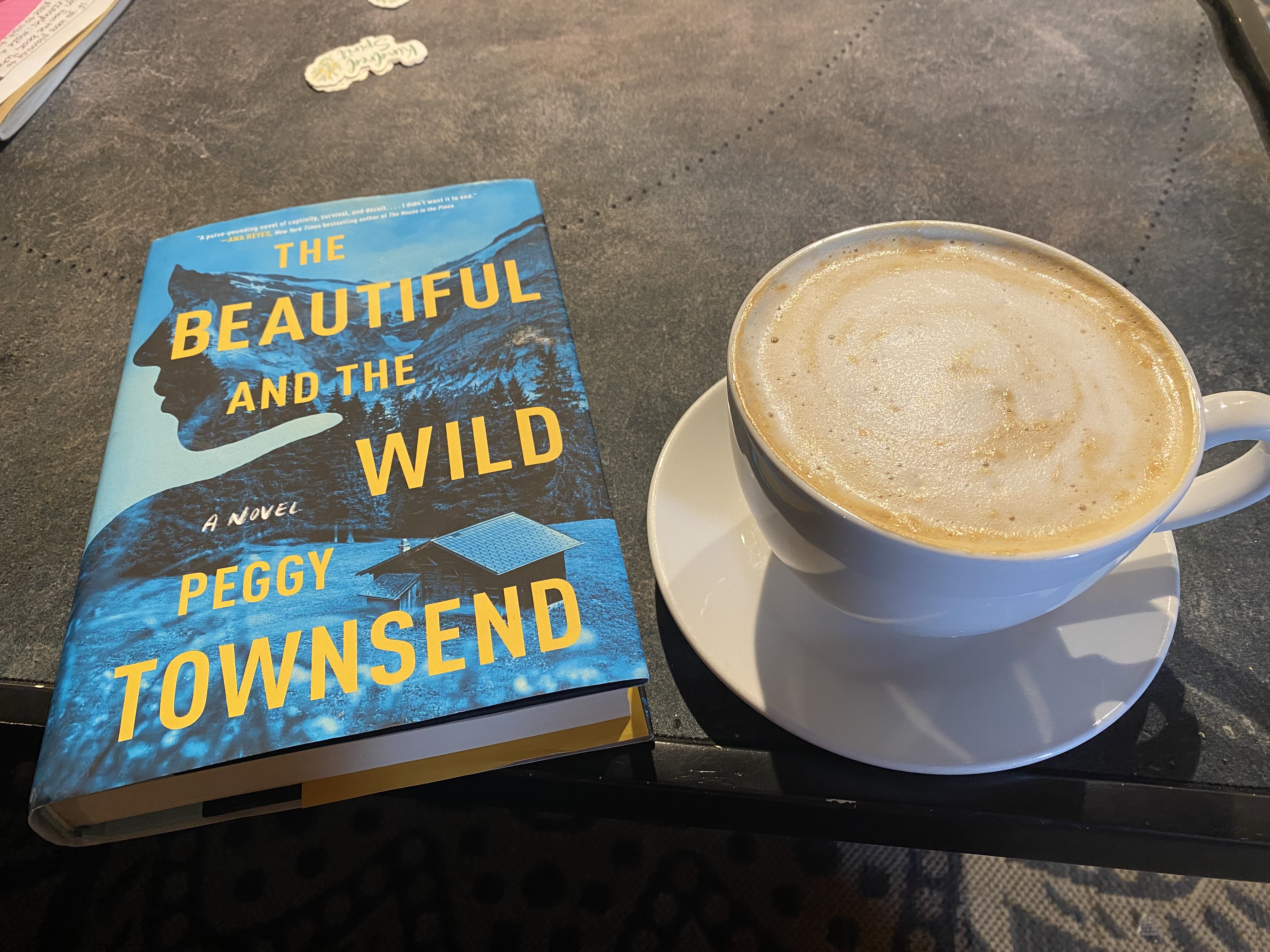
**I’ll be reading with my book club (we met tonight at our local coffee shop on the town square to discuss The Beautiful and the Wild by Peggy Townsend) and sharing Goodreads reviews with my one of my daughters as we continue in the tradition of reading ever since she was little. Somewhere in all the buzz happening around us, there is a portal to another world in the pages of great books.

The Serviceberry and the Question: Did I Bees Good?

Photo by Felix Mittermeier on Pexels.com

As I continue along the journey of my One Little Word for 2025, enough, I’ve been thinking lately about the stewardship of how I over-own things – do I selfishly trap them and call it collecting, or have I done my part by passing them along when they have lived their best life with me?

I think we all have a tendency to hoard things – to save a penny for a rainy day. But what happens when the collections have taken over our lives and the proverbial pennies are now quarters and dollars, anchoring us instead of freeing us? In 2023, I looked at all the boxes in the loft of our barn and in our attic and stepped back, taking it all in. I hung my head in shame at what I saw. It was like a graveyard of opportunity for still-useful items never seeing the light of day anymore, and I was the undertaker. I was the bad guy in the parable of the talents, burying the promise and potential of what had been entrusted to me. No, I have not been a good steward when it comes to things.

Once upon a time, I heard a saying shared by my father in a sermon. He reminded us all not to be those people who get all we can, can all we get, and sit on our can. At the end of 2023, I realized I’d been sitting on my can. And I needed to take action.

My grandparents grew up during The Great Depression, and learned about their stories when we would go visit them as my brother and I were growing up. My paternal grandparents lived in Waycross, Georgia, and they were the absolute King and Queen of double coupons. I learned a lot about frugality from them – about saving, about the concept of “enough,” and also about the disadvantages of too much. My grandmother clipped those coupons and looked for whatever was free – whether she had a plan to use it or not. At the heart of this was the need for protecting – for providing and provisioning the essential needs of a family, and I began in those days to understand the way that money could be stretched.

I used to hear the water come on, go off, come on, go off – – and years later, I realized that she showered that way. She got wet, turned off the water and lathered, turned it on and rinsed, and repeated. She double-couponed so much that they had an entire storage room of cereals and other dry goods. I was having a bowl of cereal on one visit when I noticed something moving in the milk. On close inspection, I was horrified to discover that I was eating bug swimmers. From that experience, I learned the importance of checking expiration dates.

But I also learned something else: the extreme effort on not wasting water did not transfer to the waste happening when the dry goods spoiled before they could be used. Sufficiency seemed at odds between having too little and having too much – and there are problems on both ends of that spectrum when we forget the importance of fine-tuning our needs to the middle ground of enough.

All this examining things and re-calibrating my mindset about the things I’d accumulated made me think of a childhood story that my mother used to tell me. At one time in my life, I was an aim-to-please rule following preacher’s kid who, in my young child voice, would ask my mother, “Did I bees good?” whenever the stringent need for good behavior in church or at some event, visit, or outing was over and done and I was needing my recognition and report card on my efforts. Likely, I was ready to get back to business as usual with a little badness kicked into gear and let go of the need for my best behavior.

But as I looked at all the things I was holding hostage in my barn and attic, I wanted to re-ask that question through a different lens: Did I bees a good steward of things?

Nearing 60 with retirement dreams of lightening the load to ease the way for RV travel and a significantly downsized house in the near future, I began a quest last year to clean out our home and attic and purge the anchoring cargo of a lifetime of teaching and boxes of mementos and sentiments that have outlived their purpose in my life. It’s time to prepare for the next chapter – whatever that may be. No one can move forward who is so heavily anchored in the past.

I have a question:

Did I bees a good steward of things?

Or did I hoard them?

I read a game-changing book in 2024 by Robin Wall Kimmerer, entitled Braiding Sweetgrass. At several times throughout the book, I found myself silently weeping tears for all of the boxing of things I have done in my life. As I turned the pages of that book, I imagined the life involved in all these items – the trees that once stood tall in the forest sheltering nests of woodland critters – trees that gave their lives to become books and furniture and toys; the plants that yielded cotton and other fibers to become linens and towels and clothes; the hands of craftsmen and seamstresses who shaped the creation of each thing. I was gobsmacked.

In the first month of 2025, I finished Kimmerer’s most recent book, The Serviceberry, in which she discusses the ethics of reciprocity in a gift economy. Abundance and gratitude are at their purest when we understand the concepts of the gift economy as opposed to the market economy. There is life-changing magic in the mindset and understanding that the notions of self-sufficiency and hoarding are at odds with our values and people we hold dear – and may actually be harming them. Her essay that summarizes the main concepts in her book is available here, but I offer this warning: be ready for a seismic shift in your thinking once you read it. It tops any sermon I’ve ever heard on Matthew 6:26, and ironically, birds are at the heart of the Bible verse and at the heart of The Serviceberry.

It begs the cyclical question at the end of each day, each week, each month of striving to live in a more simplistic and abundant way: did I bees good? And at the end of 2024, I could finally say that I’ve moved from being a failing steward of accumulated things to passing with a C. I still have a way to go, but I’m doing the work of managing the mountain by keeping my One Little Word front and center. I don’t buy the extra tube of toothpaste just because it’s on sale – – because I have enough. I leave some for others, and I leave room for honoring the uncluttered spaces and the sense of order. And I can feel it.

2025 Book Club Picks

If you’re ever in the small rural county in Georgia where I live, you might find yourself at one of the two traffic lights we have, right along the courthouse square. You’d look at the historic buildings lining the square and wonder about the curious little shops and what all goes on inside once you stood back long enough to take note of the intricate patterns in the old brick facades. There’s a bank, a couple of hair salons, a coffee shop, a donut shop, a few boutiques, a couple of restaurants (every small town in Georgia must have a good barbecue joint), a dentist and an optician’s office, a realty office, a mercantile, a Chamber of Commerce office, and…….{drumroll, please}………my favorite: a bookstore, A Novel Experience. Click here to check it out.

It’s not just another familiar bookstore. This one is magical, with its historic interior brick walls with rustic plaster repairs, a creaky wooden floor, a refrigerator where you can have a free water if you need one (there is wine in there, too, and a coffee bar), a circle of eccentric mismatched comfy chairs by the back door so you can sit and talk or write or knit or….just sit, and the most amazing lineup of books for the monthly book clubs. They have a few different clubs, too, which meet at different times and focus on different interests so that there is a club for everyone.

I got there on their first day of business in 2025, and I saw that they had their books already chosen from their last meeting of 2024. They’ll create cards that readers can take to put on their refrigerators to remind them of which book is scheduled for which club for which month, but I took a snapshot or two of the “rough draft” of the lineup with the cards that tell what the books will be. Some of them have not even come in yet.

This is the place I go when I need the calm reassurance that there is still peace to be found in a place other than my own home. I swear, I think they have some kind of essential oil that is called stress-free small-town down-home-rooted belonging or something. Every bit of hurried pace disappears right when you walk in. Of course, I’ve lived here long enough to know all who work there, and this shop is one of several places that still greet customers by first name. It thrills me when I walk in and Karen throws her hands up and says, “Hi, Kim!” Chris does, too, and they stop to talk to their customers with sincere interest in what is happening in our busy lives.

What are you reading this year? I’ve started the year with Rosamunde Pilcher’s book Winter Solstice, but I’ve already cheated and delved into the movie. I finished The Beautiful and the Wild over the break just as the year turned, and we’ll have our office book club to discuss that one January 21. I started James, and I’m halfway finished. If you have any recommendations, please share. I tend to prefer nonfiction that reads like fiction or that spotlights travel or nature in some fresh and unexpected way. Sy Montgomery is always, always a favorite. I’m looking for a few readers who can recommend some amazing reads, and I hope you’ll be one of them!

If you’re ever here, call me and I’ll run right down to the shop and meet you for coffee or wine and book talk, ’cause that’s how we do things in small towns here in Georgia.

our local bookstore

announced its monthly choices

for each reading club

A Calm Christmas: Clearing a Path for Dreams

Photo by Sam McCool on Pexels.com

This December, I’ve been slowly making my way through Calm Christmas and a Happy New Year by Beth Kempton (2019), and in her final chapter of this book laden with the peace of the season, Chapter 10, Kempton encourages us to plan and dream in the week between Christmas and New Year’s Day. clearing a path for all good things to come our way. The week between these holidays is what Kempson calls The Hush – – the best time of year for reflecting on the past years’ blessings and dreaming about the bountiful blessings that the coming year will bring.

This week brings some of the most delightful times of the year – the time we gather with family to celebrate Christmas. Yesterday, we took our three Schnoodles on a long walk around the farm on their favorite trails to celebrate Winter Solstice by keeping close to nature. Today, we will begin our first gathering of the season with our oldest grandson, who will turn 15 in February. This week will also bring the birth of our seventh grandchild in our family. As we clear paths for dreams, we are blessed beyond measure to build those dreams with the grandchildren that we love and hold so dearly today. For tomorrow, they will be holding their own grandchildren and sharing the stories of their own lives.
The Hush is more important now than ever in my day to day life – particularly the older I get. I need to carve out an every-weekend Hush, if only for a day. I’ve realized that what I see and hear in the news and on social media, what I read in books and magazines, and even in my own conversations with others can prompt the most horrific nightmares. It’s why I have to be so intentional about what I allow to enter my mind and heart. It’s why I don’t read horror genre books or watch scary movies anymore, as I once did. It’s why I read more Mary Oliver poetry and books like A Calm Christmas.

Take last night, for example. Yesterday as we finished having lunch, my husband casually showed me a photograph of four planes he’d taken this week as he was waiting on a recipient of a delivery. The planes were flying parallel, but they were emitting trails that were all of the same length and looked more like horses racing on a track where the inside horse is a set distance just ahead of the second, each horse a distance ahead and aside from the next, as if running down the straightaway on a racetrack.

He told me that he finally had seen with his own eyes why people might be persuaded to believe in the chem trail conspiracy. I examined the otherwise benign photo, and sure enough – these were not passenger jets, because generally they follow a flight path. They tend to stay in line, as I’ve watched through the windows at night from my bed just southwest of the Atlanta Airport. There is a seasonal shift in the tree line from my vantage point, but the planes have flown consistently above certain branches of the trees, always in a straight line, and there are usually about 2 minutes between the blinking lights of these planes. They don’t fly side by side the way his photograph showed. I have watched the planes for years as a relaxation tool – much like counting sheep, only counting planes.

Naturally, with a headline that had popped up when I was logging into my office computer network earlier this week, I’d seen the start of a nightmare. I should have known one was coming. The headline assured the world that World War 3 has begun. With all of the drone footage recently, a cup and half of this toxic cinnamon-sugar story was added to the mix, blending and swirling in the most obnoxious way in my dream, too.

I was standing on the lawn of the office in my dream (keep in mind that my office has no lawn, so this was a different space). Apparently, we all liked to go outside and eat (in real life, we either eat together at tables or go out to lunch), but we stood instead of having any picnic tables outside anywhere. I could see four glowing red/orange mini nuclear weapons about the shape of softballs, positioned much like the planes in the photograph, coming at me from the sky as I stood there in the dream, and I heard the voice of our PowerSchool Coordinator’s voice announcing that “We have been The Pirates,” to our community, as a final sign-off since she had seen the oncoming missile attack as well and was making our final phone call to say goodbye to all the families and students we’d served in our area in rural Georgia.

I ran for cover behind a bush, knowing it would not matter, and after surviving the nightmare attack, I stood up, charred, recognizing that in my condition I would not survive much longer. I looked at the rubble of the building and how disaster had struck in this small area, and then began walking home along a nature trail, peaceful and covered in evergreen trees and bare limbs where birds were all gathered in great number on the branches, singing and chirping as if nothing had happened.

I stopped and thought about them. They knew. They knew, and they had flown outside the realm of danger to avoid the exposure to the radiation. This was their survival technique.

It occurred to me that I need to be more like these birds – to be vigilant and aware of what I allow to seep into my mind, because it will blow up in the most unexpected ways. I must be the gatekeeper of all that goes in.

My husband asked why I’d been awake earlier. I told him never to show me scary photos again, and he chuckled, remarking that he didn’t see how the picture he’d shown me was scary.

And then I explained it all to him.

He has agreed: no more pictures that might cause me to lose sleep and wake up as a signed-off Pirate on a charred countdown clock.

I could use your most comforting book recommendations as my next reading. I’ll be listening to books that bring peaceful assurance on Audible as I make my way north this week to Kentucky to swaddle my new grandson and rock him in my arms, praying for his safety and health all the days of his life. Prayer. Needed now more than ever in our lives and in our world.

A Calm Christmas: Magic

This December, I’m slowly making my way through Calm Christmas and a Happy New Year by Beth Kempton (2019). In Chapter 1, she presents The Five Stories of Christmas that focus on faith, magic, connection, abundance, and heritage. Today, I’m remembering the magic of Christmas I felt as a child.

Kempton asks us to reflect: Where did your ideas about Saint Nicholas/Father Christmas/Santa Claus come from? Did you enjoy other magical stories as a child?

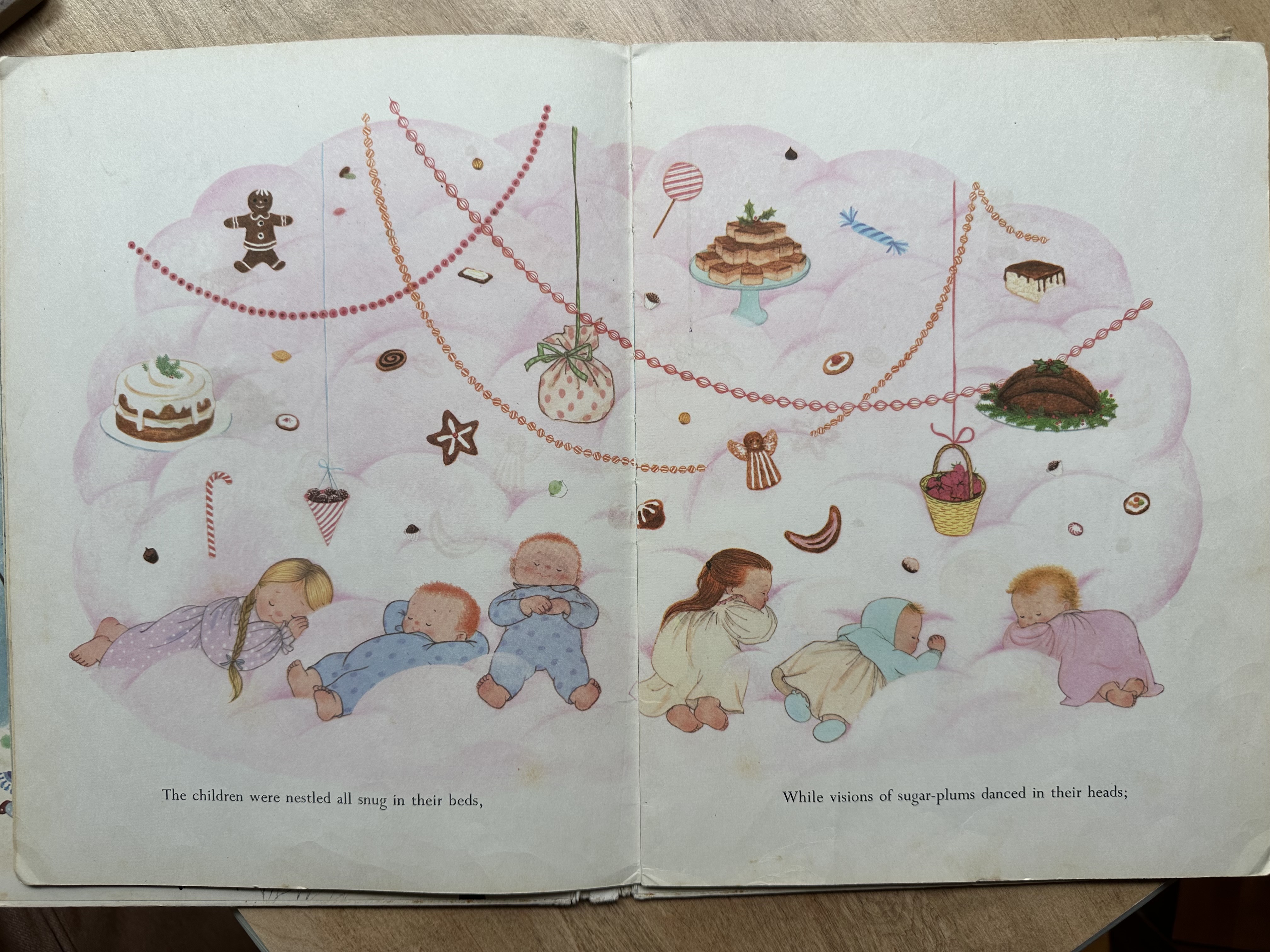
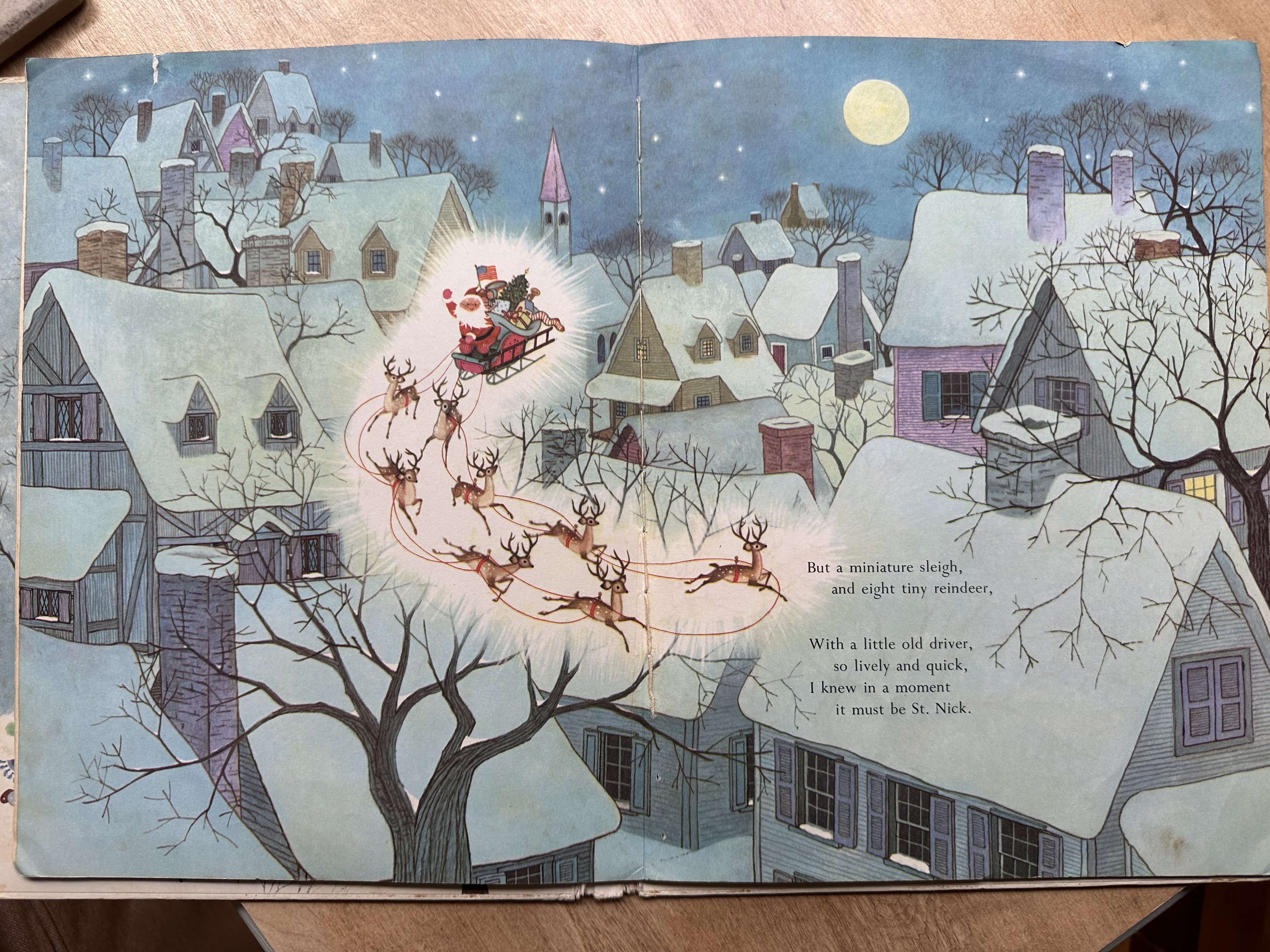
There is no question about where my idea of Santa was rooted. I still have my favorite version of The Night Before Christmas, illustrated by Gyo Fujikawa. Though it is in poor condition from being loved on so much, it was the one my mother read to me over and over and over again, and the one that still comes to mind on every mention of Clement C. Moore’s Letter to Saint Nicholas. The sugarplum illustration is my favorite one in the entire book. The art of the bygone era appeals to me.

Of course, there was other magic. Rudolph’s red nose and a team of flying reindeer were captivating images filled with magic. Frosty’s magical topcoat that brought him to life – and then couldn’t keep him cold enough to survive – still brings winter wonderland feelings even through the tears of a melted snowman.

Magic Acrostic

Merry Christmas

And Happy New Year

Going on 59 times now ~ and

I still love the magic of

Childhood at Christmas

On a scale of 1-10, rating how much magic and wonder are important to me at Christmas, I’d rate them a 6.

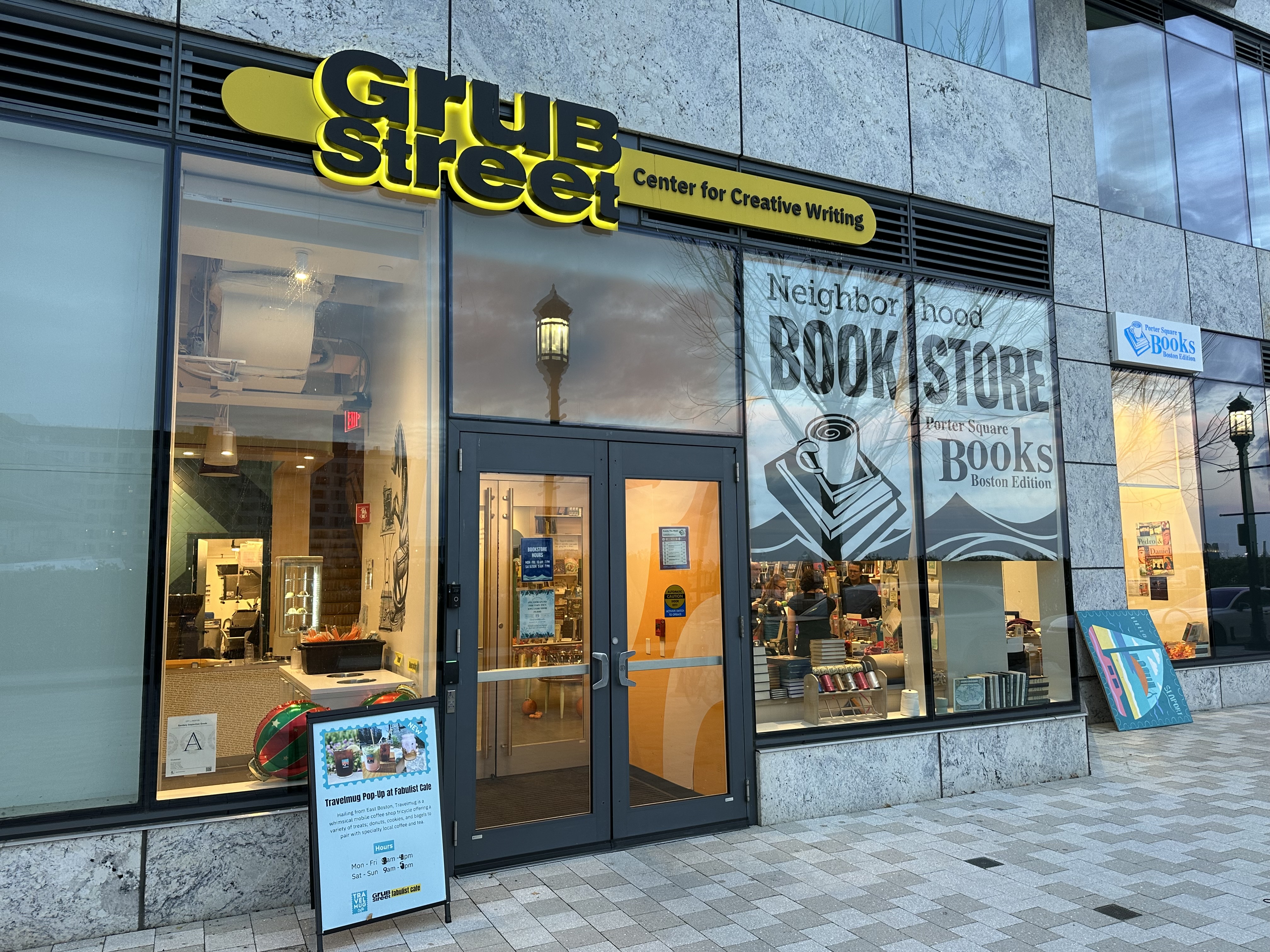
A Unique Experience: Grub Street in Boston’s Seaport

Even the front doors had me excited! This is a little slice of heaven on earth.

I often experience those spinoff tornadoes of excitement that NCTE brings – the conversations with others that aren’t officially a part of the conference but that take me further down avenues of thought – and occasionally, further down blocks of the city to explore physical places someone mentions.

Such was the case when I met Richard Louth, the creator of the original New Orleans Writing Marathon, whose NCTE workshop in Boston offered attendees the opportunity to participate in The Boston Writing Marathon. In this writing marathon, a large group met and wrote together for a practice session on all the exciting ways to center their writing for the hours ahead. They had a round of sharing with a protocol that allowed everyone to honor the writing of others. Then, they set out in small groups to write in various locations, capturing in words and worlds all that came to mind. When they returned, they shared their writing and experienced the essence of the collective experience.

I’d stopped by to meet Dr. Louth and expressed my disappointment that I would be unable to attend his workshop. My presentation time was overlapping the workshop – but I wanted to know more. He ran for his handout and encouraged me to write, even though I would be unable to be part of the group on the first day of the conference.

He shared more about Virtual Writing Marathons (VWM), explaining, “When the pandemic hit and physical Writing Marathons became impossible, I helped Kel Sassi of the National Writing Project create a VWM program in the summer of 2020. That summer, VWM writers virtually visited a different location in the country for an hour each week under the guidance of a local NWP site and ‘Storymaps’ that focused on different locations, and we wrote and shared in small breakout groups through Zoom. We did 10 weeks that summer, with each VWM attracting 50-60 people on average. The final VWM that summer was in New Orleans. The VWM continued each summer, and it even expanded into monthly Tuesday evening meetings during the school year. We had VWMs in Arkansas and Missouri this fall, and our next will be in January.”

He further added:

“For more information, Google NWP’s ‘Write Across America.’  It’s open to anyone to register…..also, check out the Tennessee Williams Literary Festival website.”

In our later conversation by email, I learned that Dr. Louth had gone to a place called Grub Street with a former student, where they had written together near Pier 4 for their Boston Writing Marathon location.

I had to check it out!

When we approached the doors, my husband shook his head and caught my eye in that fearful kind of way that husbands do when they realize they are about to go broke.

“Ooooh, Baby. This is all you,” he sheepishly conceded, reluctantly patting his wallet.

He was right.

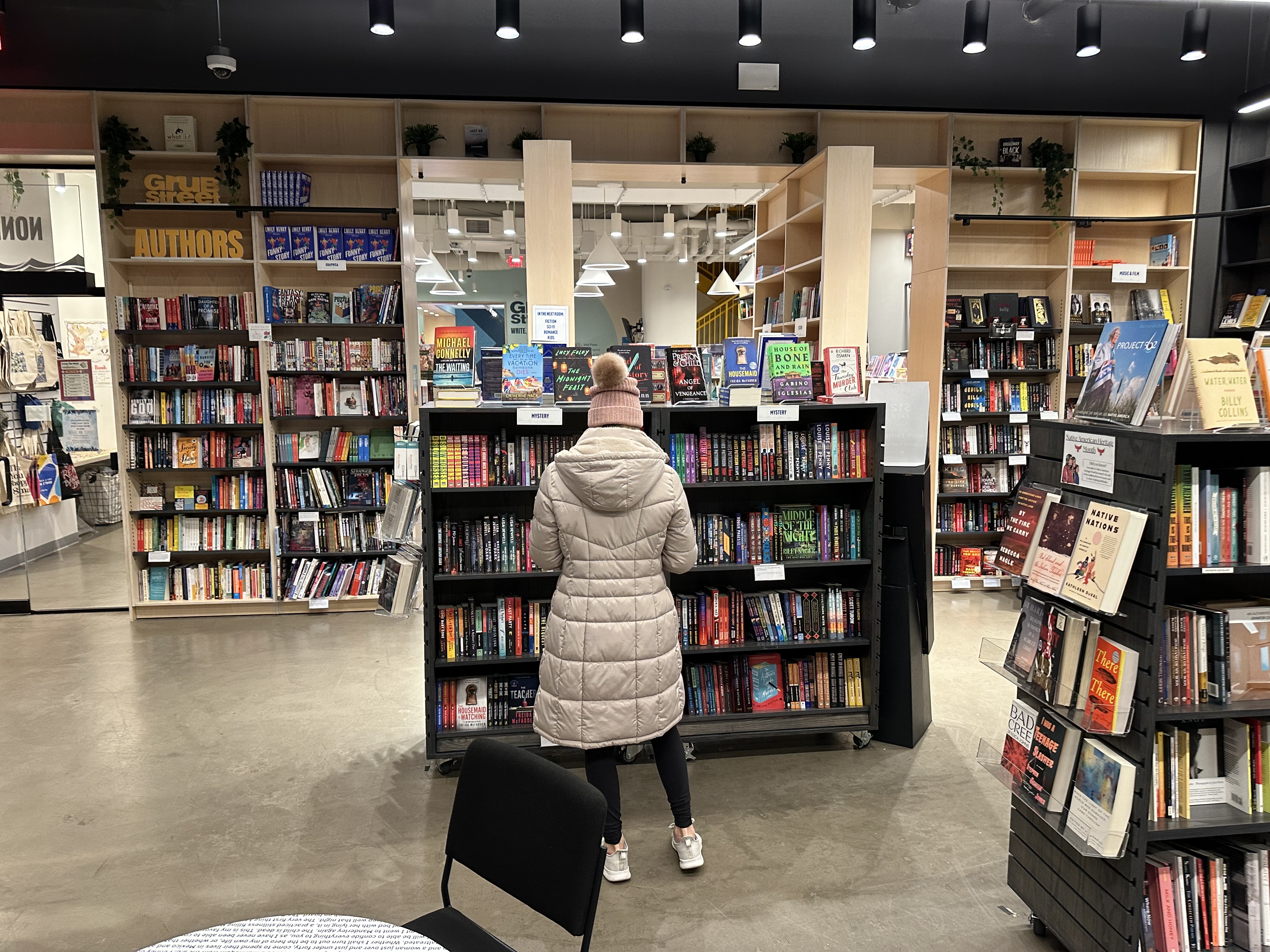
From the moment we entered the place, we breathed life-giving air. Reading and writing particles flitted like glitter through the air and engulfed me in sparkles. In this place was some kind of magic for everyone. My husband took to a corner with a book by Paul McCartney entitled The Lyrics, which explains the backstories of songs. He got lost in a concert all his own, silent music flooding his soul, entering his eyes and exiting through one tapping foot.

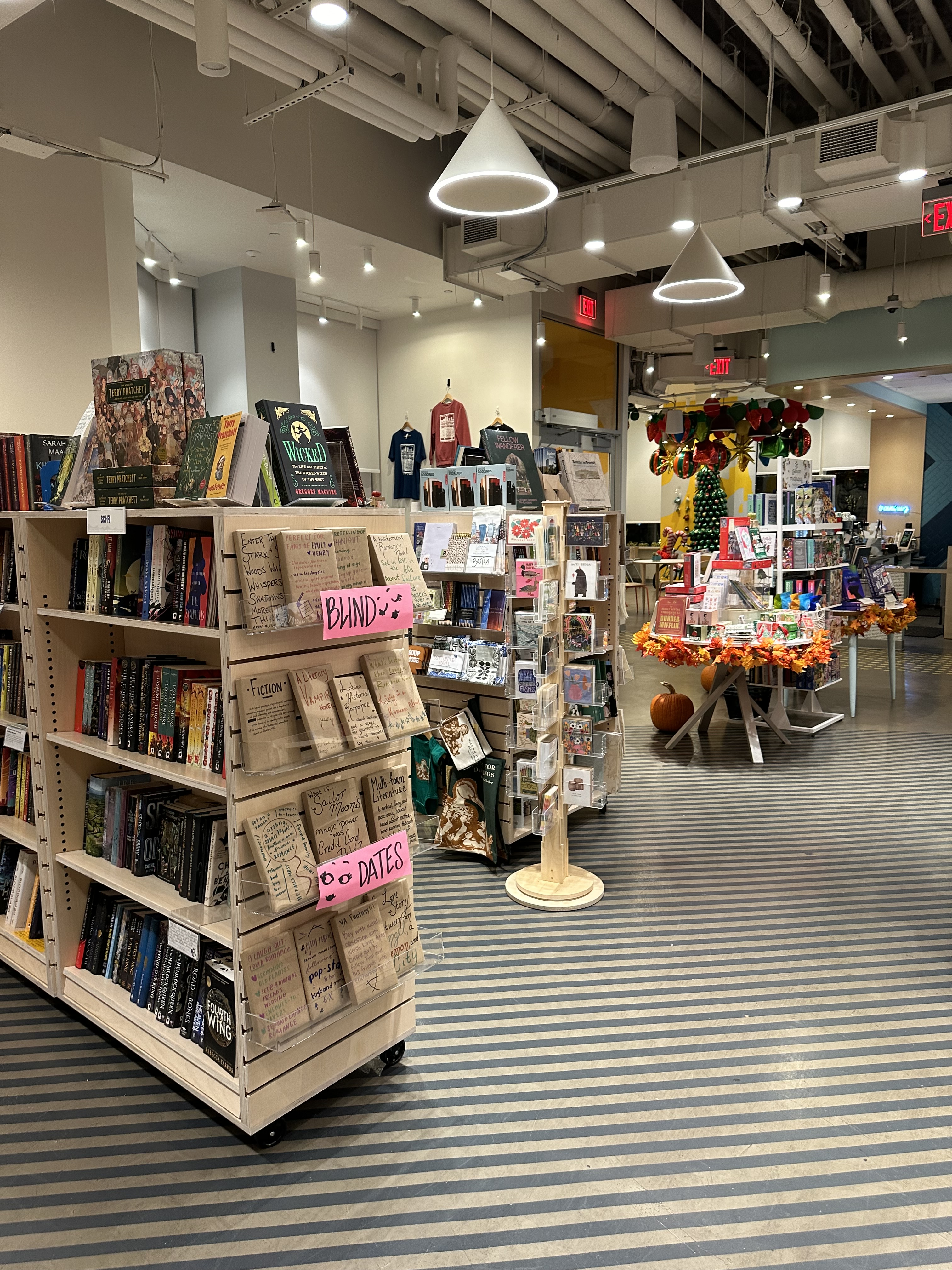
Just the patterns of the floors and unique shapes of the light fixtures were captivating. Every now and then, I enter a place where the lighting illuminates the darkest parts of a searching soul – so much that I can feel it. I felt it here in Grub Street.

I was fascinated by the people – some working, some writing, some seeking, some reading. All engrossed in their moments. The winter wear sets a photographic temperature – a very Bostony cold with rain on the way, and winds whipping our faces. We were completely unprepared for the weather, but it added an element of survival to the experience just as any adventure book would reveal in the exposition.

And we were suddenly the coatless characters in this book store story.

I stood for a while and read the titles visitors had added to the list of books that made them feel grateful, a common theme word for the month of Thanksgiving. What book would I add? Mary Oliver’s Devotions, no doubt. And Billy Collins’s Whale Day, Sy Montgomery’s Good, Good Pig. I would run out of Expo markers before I could finish listing all the books that bring to heart a grateful spirit.

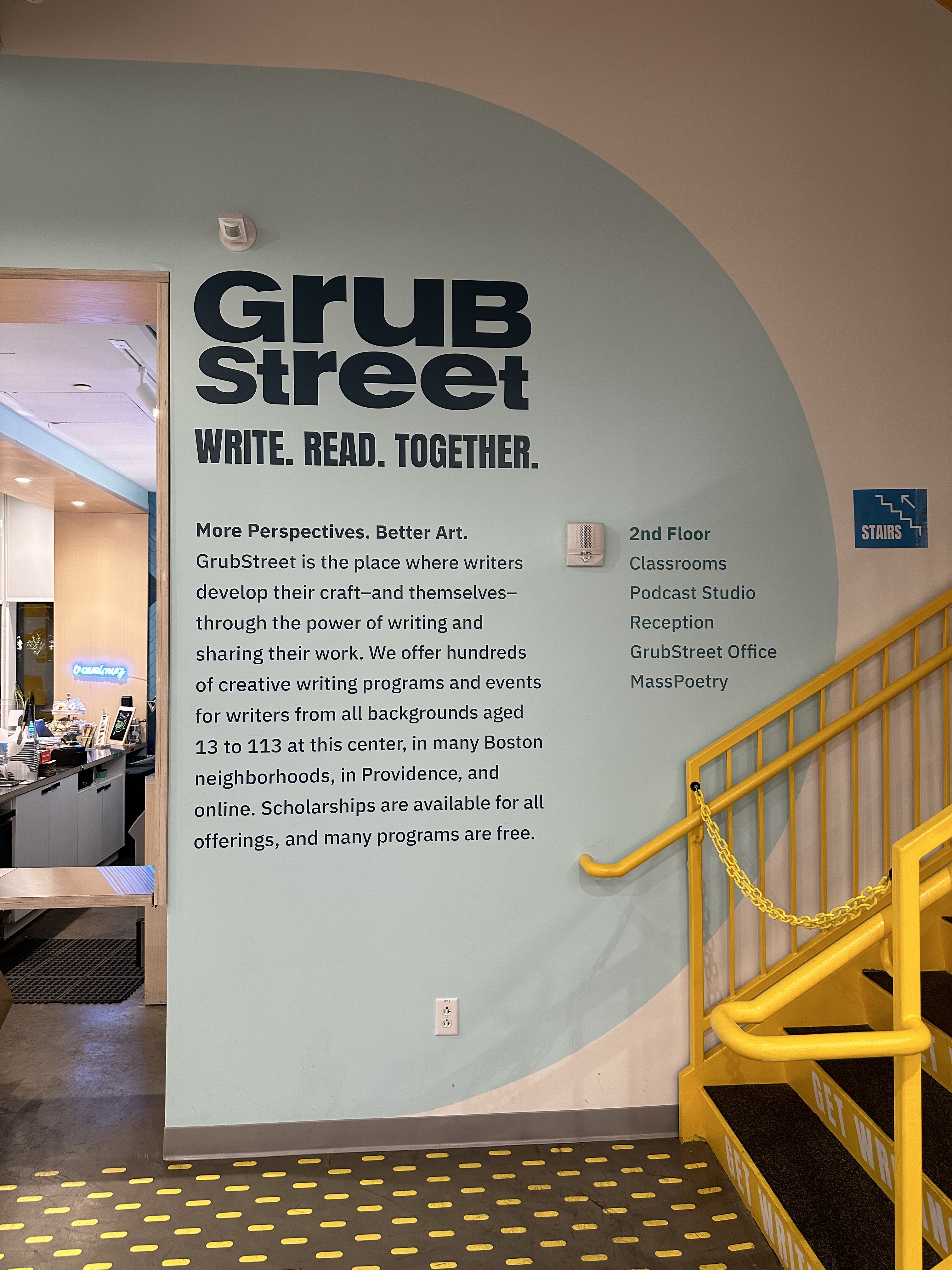
I wasn’t able to go upstairs, as the top floor had been shut down for the night, but I’ve added this to my list of places to visit when we return to Boston. What a unique concept – a writer’s haven.

I’m so grateful Dr. Louth shared this place, and thrilled I took the opportunity to visit.

Until we return, I’ll continue to wonder about the upstairs writing that happens at Grub Street.

And a part of me will secretly be grateful that I didn’t get to see it this time.

The wondering fuels the imagination and the dream. And the desire to return.

Slice of Life and EthicalELA Writing Groups in Boston

Leilya Pitre, Tammi Belko, Ann E. Burg, and me

If you asked me to share the highlight of this year’s NCTE Convention in Boston, I might think for a few moments before landing on an answer, for there is much to consider.

I’d think about the keynote speakers, and how I had the fabulous opportunity to hear Supreme Court Justice Ketanji Brown Jackson share her story and offer signed books so that attendees can all read more about her journey. I stood in that book line for well over one hour, chatting with a writing friend, happy to have the right to read and the freedom to choose it. I did not complain, either, like I do in Wal Mart when there is a long line.

I’d think of Kate McKinnon of Saturday Night Live and Weird Barbie and Ms. Frizzle voice fame and also getting a copy of her new signed book.

With Kate McKinnon and a signed copy of her new book

I’d think of the trade book author signings – meeting them, sharing a photo op, and wondering about all the unique ways they sign. I’d think of the sessions – trying to pick just one each time – and the poster and mini sessions offering shorter chunks of learning time.

With Linda Rief, the queen of the Quickwrite, who attended our session where I was leading a quickwrite as part of a poetry process – and stayed at my roundtable for a double round! Love this author!

I’d think of the iconic green couch and the surrounding cityscapes with the vast array of restaurants and historic landmarks.

I’d think of the quiet moments of reading and writing, and I’d think of the wide webs of networking and meeting new friends.

I’d think of the excitement of sharing the five books my writing group has written over the past year, and the way it feels like we are walking on a cloud every single time we get to open the pages of them and share them with others – and presenting on two of them at this NCTE Convention. I hope that the two that will be published by Routledge Press in 2025 will bring us back to NCTE next year in Denver to present on those titles as well.

Enjoy a complimentary download of the books above with this QR code!

I’d think, too, of the Boston Writing Marathon Workshop that was being held at the same time as my presentation and how Richard Louth, the founder of the writing marathon and leader of the workshop, ran for his handout (I felt like I might cry) because I was hungry for the experience and needed to know more – and how I’d emailed him and he’d responded, inviting me to join in and share my writing. He’d even suggested a peaceful place to go and write – at Boston’s “Grub Street,” a bookstore/coffee shop/ cafe with a top floor for writers at work. I’ll feature my visit to that shop in tomorrow’s blog.

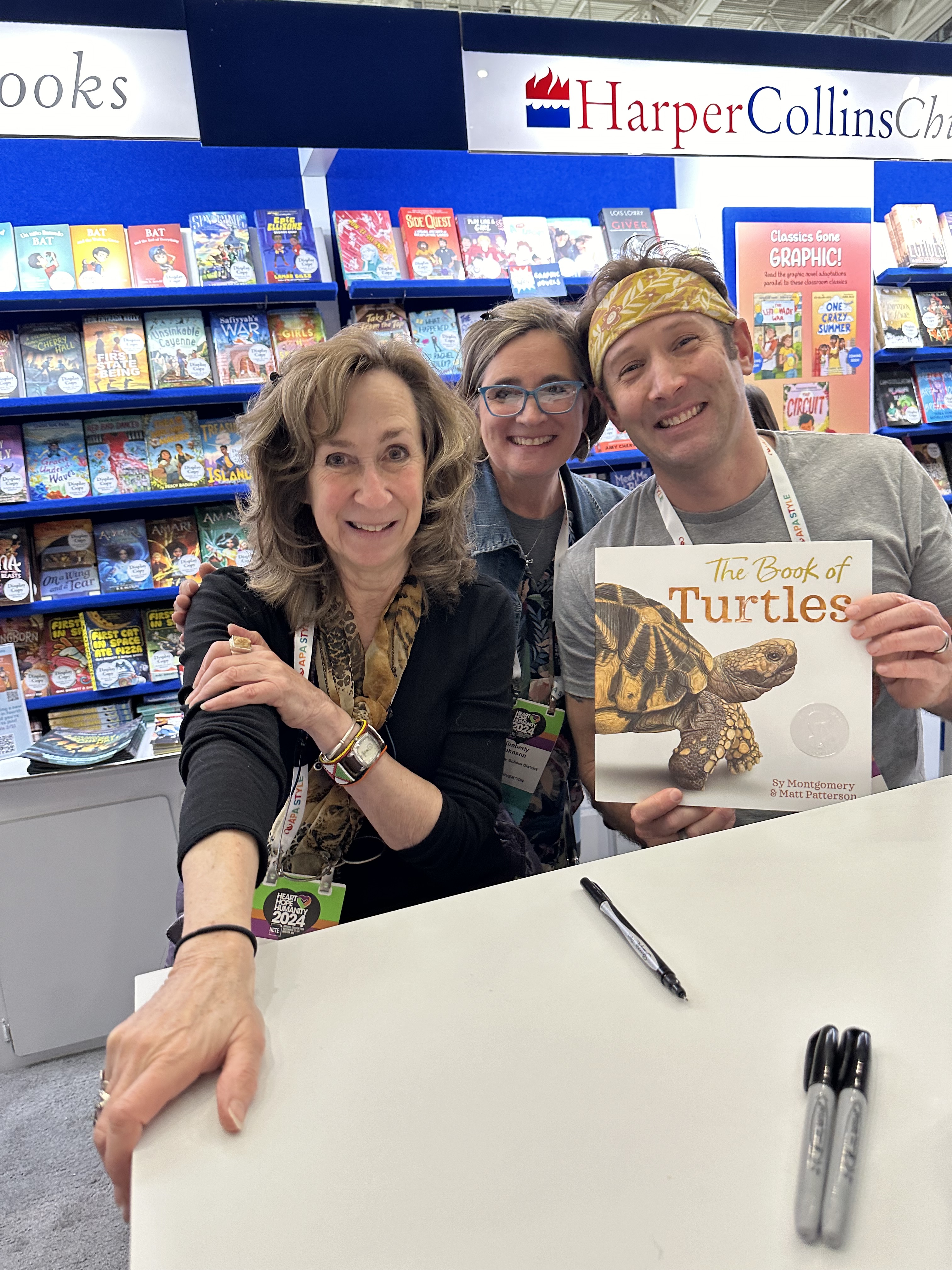
Sy Montgomery and Matt Patterson signed my book, “To Our #1 Fan, Kim!” I got there early to be first in line. I’ve been a fan of Sy’s for many years, and love that she is here in Boston, right where she did all of her research at the New England Aquarium and made me cry with grief over Octavia in The Soul of an Octopus.

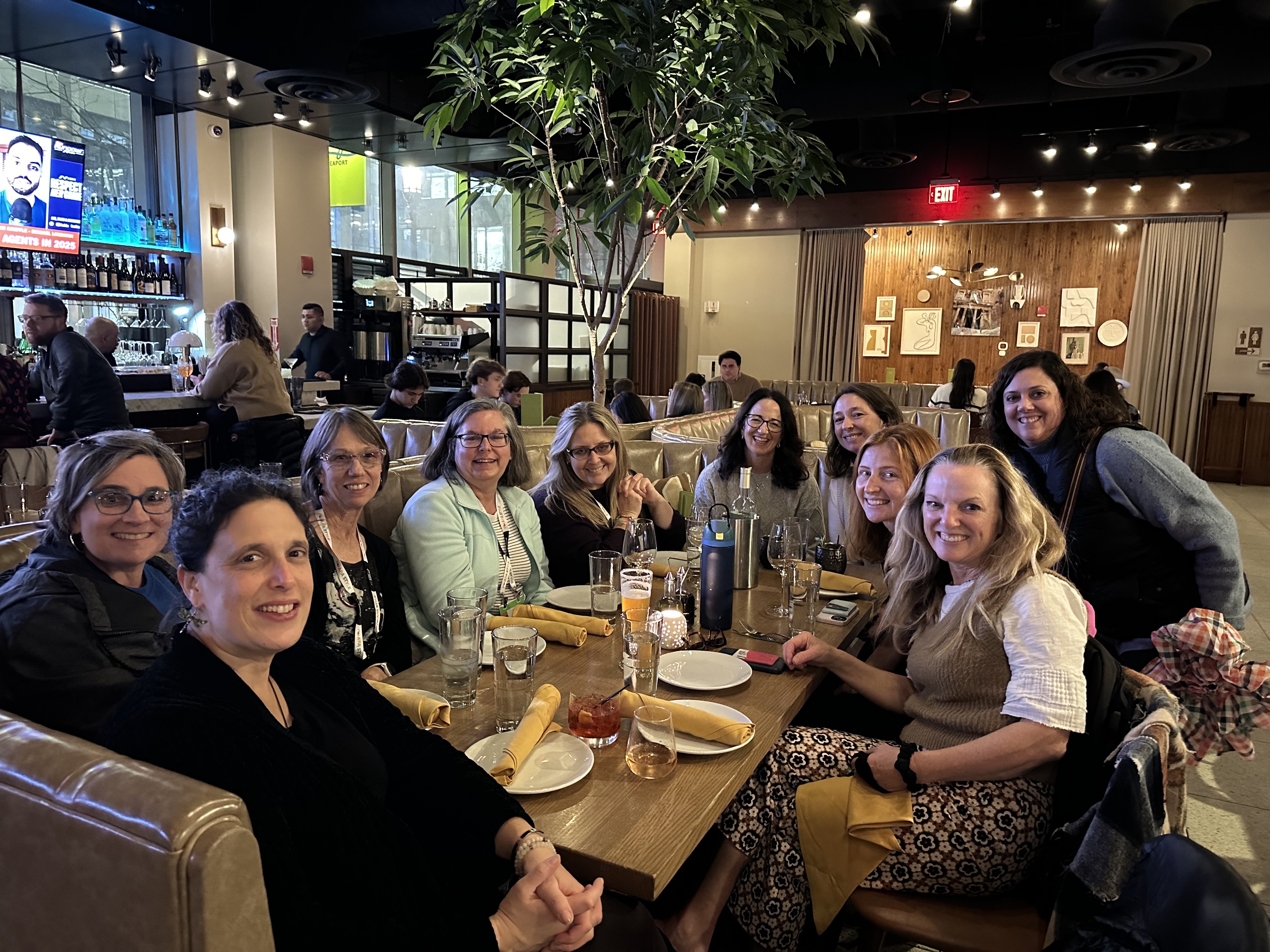
The highlights would be hard to determine, but I wouldn’t have to think long before responding that the most heartfelt highlights of NCTE are found in the connections – – the sharing of stories, dreams, and ideas. Breathing the same air as 7,800 other educators who are all passionate about their careers and their love of reading and writing is empowering. Planning a session with a virtual poetry writing group, then presenting together and meeting for dinner is energizing. Having dinner a second night with yet another writing group (my blogging friends from Slice of Life) is the icing on the cake. To meet those face to face with whom you’ve read and written over the years is a gift – one that continually reminds us that the simple act of finding the beauty in an ordinary moment and sharing it in writing so that we can all be present across the miles – and then holding togetherness in person – is as humanly highlighting as it gets.

The Slice of Life writing group met at Serafina in Boston Seaport
With fellow Georgia educator and children’s book author Randi Sonenshine, who turned up at the front of the line early, too, to meet Sy Montgomery because Sy inspired her children’s picture book The Den That Octopus Built. It was great to see her again!