A Calm Christmas: Heart and Hearth

Photo by Vlad Vasnetsov on Pexels.com

This December, I’m slowly making my way through Calm Christmas and a Happy New Year by Beth Kempton (2020), and in Chapter 5, she considers reflecting on where the heart is and what the heart needs in celebrating. She encourages us to contemplate the gatherings with a mindful spirit for how we spend time and what we do with others to celebrate. She reminds us in Chapter 5 that “time-honored traditions are only worth maintaining if they honor your time and bring you pleasure.”

This may be my favorite chapter yet. Kempton opens with a reflection of a Christmas Day moment from her teenage years, providing a snapshot frozen in time to show her grandmother, her parents, her siblings, and herself gathered in the midst of Christmas dinner. She illustrates it so well, it’s reminiscent of a Hallmark ad or a Publix commercial. And then comes the sobering reminder: things will not always be this way.

She redefines what a calm Christmas means: A calm Christmas does not have to be a small Christmas or even a quiet Christmas. Rather, it is one where you remove your own stressors, let go of perfection, and focus on what really matters to you. She then takes us through a process of re-imagining how we gather, how we gift, and how we gambol.

Each year, my father has traditionally given me a box of books. He’s a book collector, so he thinks mindfully about what I will love. He knows my unique and quirky reading personality and what will be meaningful for me. Among my treasures throughout the years are a first edition copy of To Kill a Mockingbird, signed by Harper Lee herself; a very old copy of A Christmas Carol by Charles Dickens, Travels with Charley by John Steinbeck; and an assortment of Gladys Tabor books, including Stillmeadow Sampler, Stillmeadow Calendar, and Stillmeadow and Sugarbridge, three of my absolute favorites. Oh, the joy they bring to me as I sit and read and re-read and re-read again. These gifts are mindful, meaningful, and they matter – the hallmarks of great gifting.

Most of my writing circle of friends know that my father is undergoing chemotherapy for colorectal cancer. It leaves him fatigued and weak, so we have decided to postpone our gatherings this year to allow him to rest and to minimize his exposure to large numbers of people who bring risk of germs to him in his state of weakened immunity. We won’t gather until later in January, and the gathering will be simple when it happens – a few hours, a meal, and a time of reflection and togetherness.

Meanwhile, to keep Dad’s spirit of Christmas book gifting alive and well, my brother and I found the perfect gift for him. It’s a Simplay 3 Little Free Library that he can put on the corner of his yard at the intersection on the south end of St. Simons Island, Georgia. Even though he may not be able to share books with me on Christmas as he has done in the past, he can certainly find the joy in sharing books with others this Christmas season and feel the warmth of spirit as he watches folks consider the collection of books he curates to go inside. He has always had a mountain of books to pass along, and while some are collectible, others are modern bestsellers.

Book gifting is a tradition that matters, and my brother and I know all too well the joy our dad finds in sharing his deep love of reading. Books make a difference in how we see the world, and Dad is a perfect reader/book matchmaker. We have been matched! We can’t wait to see the next great matches he makes!

A Calm Christmas: Celebrations During Christmas

Photo by Element5 Digital on Pexels.com

This December, I’m slowly making my way through Calm Christmas and a Happy New Year by Beth Kempton (2020), and in Chapter 4 which begins Part 2, she presents ways to consider mindful giving as we celebrate during Christmas.

Kempson says, “Mindful giving comes down to three questions: whether to give, what to give, and how to give.” She goes on to explain that sometimes, the best gift of all is the gift of nothing (there is a child’s picture book title by that name) – that the social contract of giving is often felt most strongly this time of year when the release is there to simply forego gifting. In fact, she provides a statistic that 60 million gifts in 2018 in the UK were unwanted, according to one study, and that another survey found that six out of every ten gifts given to a sample of 2,000 adults were unwanted. Before giving, she offers 3 questions to guide the gifting: is it mindful, is it meaningful, and is it memorable?

Our office holds a gift exchange, and while it’s fun, I’d lay a wager that the numbered gifts fall into the statistics above. For this occasion, I look at the dollar value and either go with wrapped cash or a gift card from a certain huge retailer named after a river in South America. Everyone participating seems to like this option so they can either use it to further their own Christmas shopping or personalize a gift for themselves – from someone who doesn’t know any of them well enough to give a one-size-appeals-to-all gift in this eclectic mix of personalities that would satisfy whomever ends up with it. And it works like a charm.

For the smaller department sector, I set out to answer the age-old question about the best gift for all ages. Everyone loves it. Everyone needs it. Everyone uses it. No one expects it.

And I came up with the answer to this universal question by looking deep into my own soul and asking: what does everyone need that everyone probably already has but could use more of, where size, age, gender, religious affiliation, and political persuasion does not matter? And a clear answer rose to the top.

Chapstick.

I ordered three dozen tubes of Candy Cane Chapstick, along with a supply of clip holder sleeves I’d seen on a travel blog recently. The sleeves have a clip that allows users to attach the tube to a lanyard or a purse loop or backpack strap so that the tubes don’t end up in pockets, either lost through holes, melting with body temperature – or worse, going through the washer and dryer and staining clothes with petroleum spots like I’ve done so many times.

I grabbed a tabletop tree from Hobby Lobby and festooned the tree with the best guard against bitter winter wind that exists – this universal tiny tube of lip bliss. And here is what I discovered: you can’t go wrong with a candy cane Chapstick tree. It’s mindful, meaningful, and (hopefully) memorable – at least for a season.

Even with all of the thanks and appreciative conversations with people asking for the links to be able to re-create the idea at their family gatherings this year, the thrill of giving something you know people both need and want far outweighs the joy of receiving. It’s the greatest feeling in the world!

A Calm Christmas: Comfort and Joy in Contemplation of Spirit

Photo by Bianca Debisko on Pexels.com

This December, I’m slowly making my way through Calm Christmas and a Happy New Year by Beth Kempton (2020), and in Chapter 3, she presents ways to seek comfort and joy in winter by seeking our natural rhythms and learning from nature.

To contemplate ways to simplify and nourish our spirits, Kempson encourages us to go gently into winter mornings by tiptoeing to the kitchen, light candles, meditate, or write as self-care measures. She asks these questions:

How could you simplify your home, schedule, digital life? How can you nourish your mind, body, spirit, and loved ones, and what rituals will see you through winter?

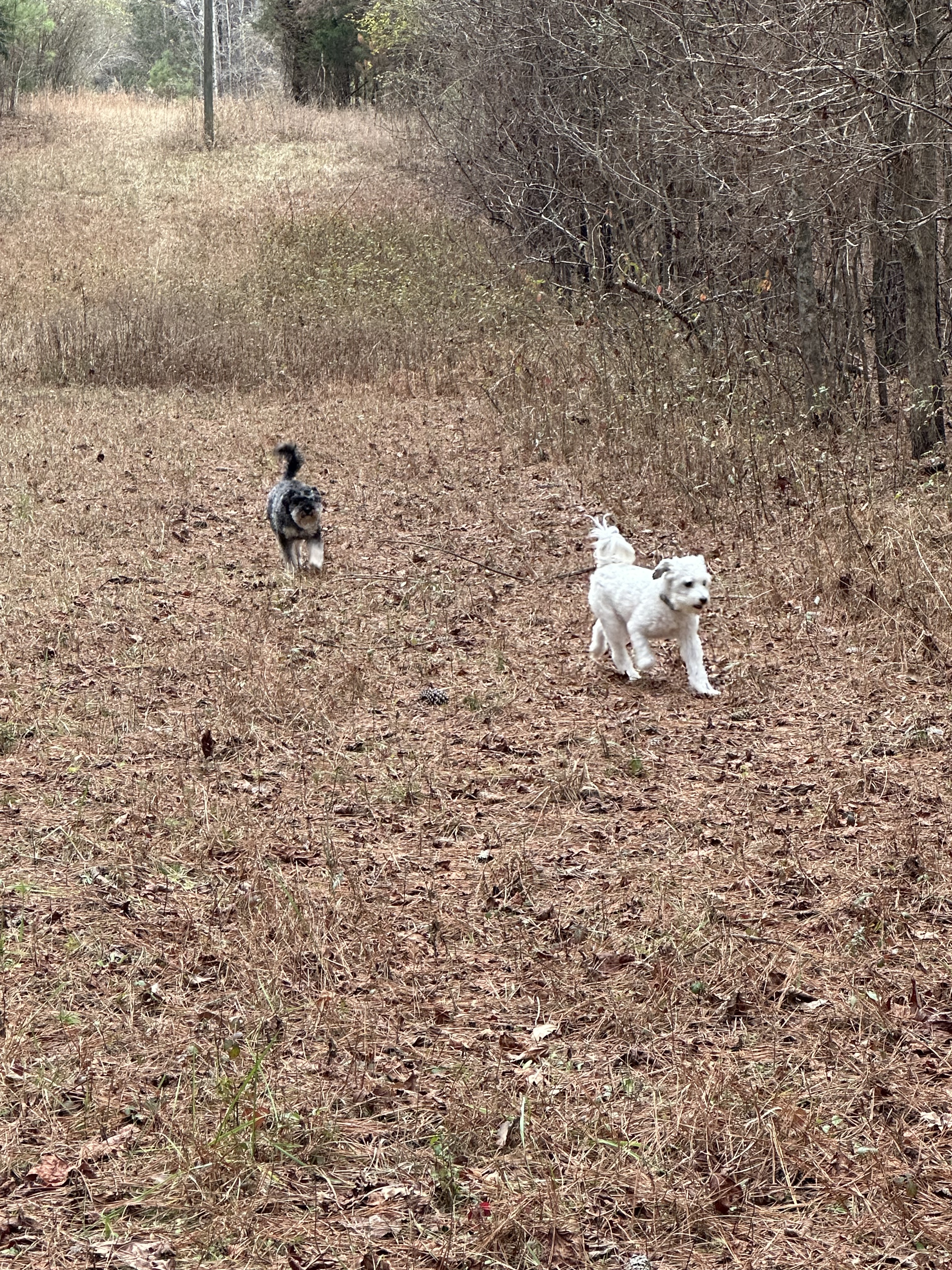
So much can be simpler. I once heard that if you feel stressed and need to hit the reset button, spend a half hour in nature. But those who are really busy should spend an hour. Sometimes we don’t have control over simplifying our work schedules or the digital life that work requires, but when home is the haven that allows the respite at day’s end, there is much to be loved. I walk my dogs along a path my husband keeps cut on the farm…and would you believe I go in my flannel pajamas and boots, praying all the while that a delivery truck doesn’t come calling while I’m out in my loungewear? We drink cinnamon orange tea in the evenings in winter, and while we don’t have a real log fireplace, we keep the gas logs going if it’s anywhere below 60 degrees outside. These are the ways we nourish ourselves, and the simple rituals are what will take us through winter. Sometimes, doing as little as possible on weekends is the order of the day, letting the book stacks speak their stories to us as we read the day away.

One of my favorite thoughts in this chapter is “the sounds of winter are cracking in poetry, wind in the trees, rain on the roof, a spitting fire, the thump of a log falling away from the flames, rustling paper, mulled wine poured steaming into a glass, the rhythm of the weather forecast calmly announcing that the storms will rage on.”

That’s the epitome of hygge at its finest – in its best season to be fully experienced as a way to embrace the season of winter.

Photo by Valeria Boltneva on Pexels.com

A Calm Christmas: Heritage

Photo by Luna Lovegood on Pexels.com

This December, I’m slowly making my way through Calm Christmas and a Happy New Year by Beth Kempton (2019), and in Chapter 1, Kempton presents The Five Stories of Christmas that focus on faith, magic, connection, abundance, and heritage. Today’s focal thoughts center on heritage.

Kempton invites readers to reflect on these aspects of heritage:

What is your view of traditions related to midwinter, such as decorating your home with evergreens and celebrating the winter solstice? What sort of weather do you associate with Christmas, and what impact does it have on how you expect to feel and what you expect to do this time of year? What particular traditions have been handed down through your family and become part of your personal Christmas story, and how do you feel about them? Do you plan to maintain them?

We’ve never specifically celebrated Winter Solstice, but we have traditionally celebrated winter with a Christmas tree in our home, whether real or artificial, along with a wreath on the door as well. Having grown up on an island, I always wanted snow but never had a true “White Christmas” until 1989, when the snow set in the evening before Christmas Eve and amounted to about 6 inches in the coastal area of South Carolina where we lived at the time. Weather never had an impact on our holiday season, since most of the time it was warm and sunny. In fact, there were Christmases that we could have sunbathed on the beach.

Traditions that have been handed down include gift giving and celebrating Christmas morning around the tree with a breakfast casserole in the oven, warm cinnamon rolls, and coffee and juice. There were many years that my mother hosted a formal Christmas dinner at high noon with extended family around the table, and while I loved it, a formal meal on Christmas Day is not a tradition that I would be successful in continuing, as families are growing and beginning their own traditions. At this point, my husband and I are happy to travel or to be home – whichever works out best for those family members with young children. Also, we often spread the celebration times around so that we are not locked into the one day of Christmas being our dedicated day to gather.

In writing our Christmas narratives, Kempton reminds us that “much of the stress of Christmas comes from either not giving ourselves permission to evolve our inherited narrative, or from the pressure to evolve it into something that is out of alignment with what, deep down, we believe about Christmas….What we need is a way to marry what matters to us with what matters to those we love, and then let go of the rest.”

I couldn’t agree more. Having traditions and memories creates rootedness and belonging, but it’s a double-edged sword in creating a rigidness that prevents us from embracing new ways of doing things and being flexible in our thinking. Things don’t always have to be done the way they’ve always been done. It’s my turn to celebrate with my children – and their children – in the way that they choose to honor, celebrate, and keep Christmas!

On a scale of 1 to 10, I’d rate heritage as it relates to family traditions as a 4 or 5 in importance. These ratings will become part of a Christmas constellation in tomorrow’s post.

Spiritual Journey – December 2024


Scrolling in search of the next book to read on an upcoming flight, my right thumb becoming numb, I came to a screeching halt on Wintering: The Power of Rest and Retreat in Difficult Times by Katherine May.  

This, I nodded approvingly to myself, thinking of all the exhausting change that 2024 has brought.  This may be just the medicine my soul needs right now.

Many of the changes life has brought throughout the year are positive ones, but even good change requires a period of adjustment.  The not-so-good changes, even more so.  

I clicked the Kindle sample download and examined the Table of Contents, organized in chapters by the seven cold months of the year starting in October and ending in Late March.  I read the reviews on Goodreads and delved into the sample text, asking at each decision point whether this would be the best investment of my time and cognitive energy – since both are forever fleeting.

After finishing the sample, I knew this was the book for me.  I downloaded the full book.

I realize I’ve struck book gold when I find a book that has me hanging on each sentence, savoring its power and meaning as I apply it to my life and feel the peace it brings.  Each thought, it seems, fits like a glove when I’ve found the right book for the right time.  It’s like a medicinal salve, like Candy Cane chapstick on parched lips whipped sick by the wind.  

All at once, my breathing deepens and my heart slows from its racing pace.  I feel my tongue stop pressing against the roof of my mouth in its usual stress-pressure position.  My shoulders drop and my neck muscles loosen.  I read May’s soothing words as I consider the approaching winter break: 

“Winter is when I reorganize my bookshelves and read all the books I acquired in the previous year and failed to actually read. It is also the time when I reread beloved novels, for the pleasure of reacquainting myself with old friends….In winter, I want concepts to chew over in a pool of lamplight—slow, spiritual reading, a reinforcement of the soul. Winter is a time for libraries, the muffled quiet of book stacks and the scent of old pages and dust. In winter, I can spend hours in silent pursuit of a half-understood concept or a detail of history. There is nowhere else to be, after all.”

And in this, I can rest with full hope and anticipation that the gas logs and my heated throw will bring needed warmth.  My dogs will bring peace and deep comfort as they vie for snoozing position next to me, and my books will bring the golden silence and space my heart needs as I sip a cup of honeyed hot tea and reread: …. there is nowhere else to be, after all.  

My next book will be Calm Christmas by Beth Kempton. What will you be reading, dear friend, in the sweet, snug nook of home, in the nestled bliss of nowhere else to be?

********************************

Please link your blog posts in the comments below, and thank you for reading today!

November Open Write Day 3 of 5

Denise Neal, principal at Our Lady of the Way RC School in Belize, is our host day for the Open Write at www.ethicalela. She inspires us to write poems today by offering this prompt:

“Think about your educational journey. In Aristotle’s words, ‘ The roots of education are bitter, but the fruit is sweet.’ Because we all have different experiences, our stories will be a collage of joy, success, pain, sacrifice, opportunities, and commitment.  I encourage you to write in 4 lines and have a minimum of five stanzas.

However, you are also welcome to write freely to TELL your STORY.”

I thought of Denise’s words and all the things about my educational journey that really mattered ~ and still do.

What Matters

not the classrooms

not the worksheets

not the crayons

but the experiencing

not the posters

not the desks

not the chalkboards

but the reading

not the papers

not the assignments

not the projects

but the thinking

not the textbooks

not the answers

not the solutions

but the writing

Vestibular Therapy: There is Hope – Day 3 of 3

so it continues…..

eye and neck exercises

to prevent migraines

I hadn’t realized that my episodes of vertigo (a loose term, they tell me) are actually vestibular migraines. Everyone has different triggers and prompters, but mine seem to be rooted in eye fatigue from the computer, along with stress and anxiety (also a loose term, they say) that manifests in my cervicogenic (neck) muscles and creates tension that produces vestibular migraines, which is what I have described as a pressure headache. For me, it’s a disorienting pressure in my head that feels like my brain has gas but has no release valve like a stomach does. Light, temperature, and swift movement also seem to be factors that can trigger an episode.

One remedy that seems to work is dry needling, similar to acupuncture. Because the muscles in my neck get super tight, this process works by injecting a needle to spark the muscle to twitch, which in turn causes it to relax, relieving pressure and increasing the range of motion in my neck. I’m an instant fan of this technique – – a true believer. I have experienced its relief firsthand and appreciate the natural approach to treatment without using medicines and chemicals to treat it.

My therapy exercises are growing, and I was given a portal app with video exercises that play right on my phone. I installed the app, and I do the following exercises (10 repetitions each), which are linked below on YouTube :

Seated Gaze Stabilization with Head Rotation

Seated Upper Trapezius Stretch

Seated Levator Scapulae Stretch

Seated Gaze Stabilization with Head Nod

Seated Gaze Stabilization with Head Rotation

Seated Vertical Smooth Pursuit

Seated Horizontal Smooth Pursuit

Seated Horizontal Saccades

Seated Vertical Saccades

Cervical Extension AROM with Strap

Additionally, I am using a neck massage device for about 15 minutes each evening to loosen my muscles and try to help ease the tension. I wear blue light glasses for extended computer use and practice the eye fatigue movement of placing my palms over my eyes and looking directly into the darkness of the middle of my hands with my eyes wide open for about 5 seconds in 5 repetitions. This has helped already, just having the quick pause to reorient.

I wanted to share the secrets in case anyone out there can benefit from the things I am learning about managing vertigo.

There is hope.

Yes, there is hope.

Happy Howl’o’ween from The Johnson Funny Farm, our rural farm in middle Georgia!

Welcome, Great Pumpkin! Raising a mug with a favorite famous dog to you today! Celebrate big.

Vestibular Therapy: A Thick Slice of Questions – Day 1 of 3

and so it begins:

vestibular therapy

hold on for the ride…….

Photo by Suliman Sallehi on Pexels.com

I began vestibular therapy for vertigo last week after a five year ride of progressing intensity and frequency, and the older I get, the more I realize I’m my mother’s daughter. Mom suffered migraines most of her life – the kind where she had to go to her room, draw the blinds, put on an eye mask and take to the bed for the day in complete stillness. We had to be completely silent and not move around the house where she could hear our steps or our talking or breathing. .

My father, still living, has had bouts of vertigo from time to time throughout his life, his episodes bringing dizziness and nausea. He does not have headaches with his.

So I come to this psychedelic DNA altar honestly.

I answered all the hundreds of questions to help them fine-tune my triggers.

Yes, I’ve done some of the exercises I watched on YouTube. I have tried the Epley maneuver and it only makes me sicker and does not stop the movement. I use an Iso Cool pillow, have used one since 2008 and replaced it several times and they don’t make them like they used to – and yes, I’ve tried every kind of pillow out there. I sleep on a memory foam mattress, the kind that arrives in a box you have to cut open and watch rise like dough for 48 hours. I have four inches of memory foam toppers on top of that. I fight three dogs and a husband for space in that bed most nights. Bags…. let’s see, I carry a leather tote bag always on my left shoulder, rarely my right. That’s for work. I usually wear either a leather backpack or a canvas one with RTID if I’m going out for the day on a personal excursion, but only the tote bag is overloaded. No regular traditional purse for me. I do not eat a gluten-free diet (yet, anyway, but it sounds like I might be Googling that up when I get home). I prefer cloudy days to sunny ones – always have – the darker and stormier the better, probably because I don’t feel guilty reading on those days. I prefer cooler temperatures to warmer ones but I like to wrap up and find warmth in the cold. I sleep on my sides, my stomach, my back – wherever I can find sleep. I don’t have sleep apnea or snore unless I have a nasal cold. I take Melatonin to help me relax, and it helps me get to sleep but not stay asleep. Heck yes, my work life is stressful, and I use a computer a lot, especially during data windows where I’m disaggregating data in spreadsheets for days on end. I do have blue light glasses just for that. Yes, I work directly under a fluorescent light in a cubicle. No, I have not adjusted my computer light to low with the yellow glow, but I’ll add that to the list of to-dos. I do carry stress in my neck and feel eye fatigue. Yes, my home life is pretty quiet. Just my husband and me, our three spoiled brat schnoodles, and a lot of writing and reading with early dinners just like all the rest of the old folks we know – it is a place of peace, not triggering any headaches. And yes, I get at least 8 hours of sleep at night.

Yes, I get nausea. The kind I wish I could throw up and get it over with, but it takes hold and won’t turn loose.

Yes, I get a headache with my vertigo, but I must distinguish between the pressure headache and the painful headache. My vertigo headache is not the one with localized throbbing pain. My vertigo headache is a pressure headache – weird and uncomfortable, but distinctly different from the headache that comes at 3:00 like clockwork for some, on the heels of a day that was over the top. Describe the pressure headache? Sure. Please excuse my TMI here, but it’s like my brain has gas and gets bloated and there’s no valve. My right eye goes wonky like it pulls down a little like maybe that’s where a tight balloon is tied off and yet there’s no valve to release any of the pressure because I can’t let it out through my ear.

Describe a day of vertigo and what that’s like? That’s a post for tomorrow.

I’ll share my journey so far across 3 days this week, because I’ve learned more in two hours than in all the past 5 years put together.

Special thanks to Two Writing Teachers at Slice of Life

The Goodness of Green Nonet


a goddess of the goodness of green

gave great guidance in goading me

to getting a gulpable

quarter-gallon of glug

(it’s good for the gut)~

I did not gag

I’m just glad

it’s all

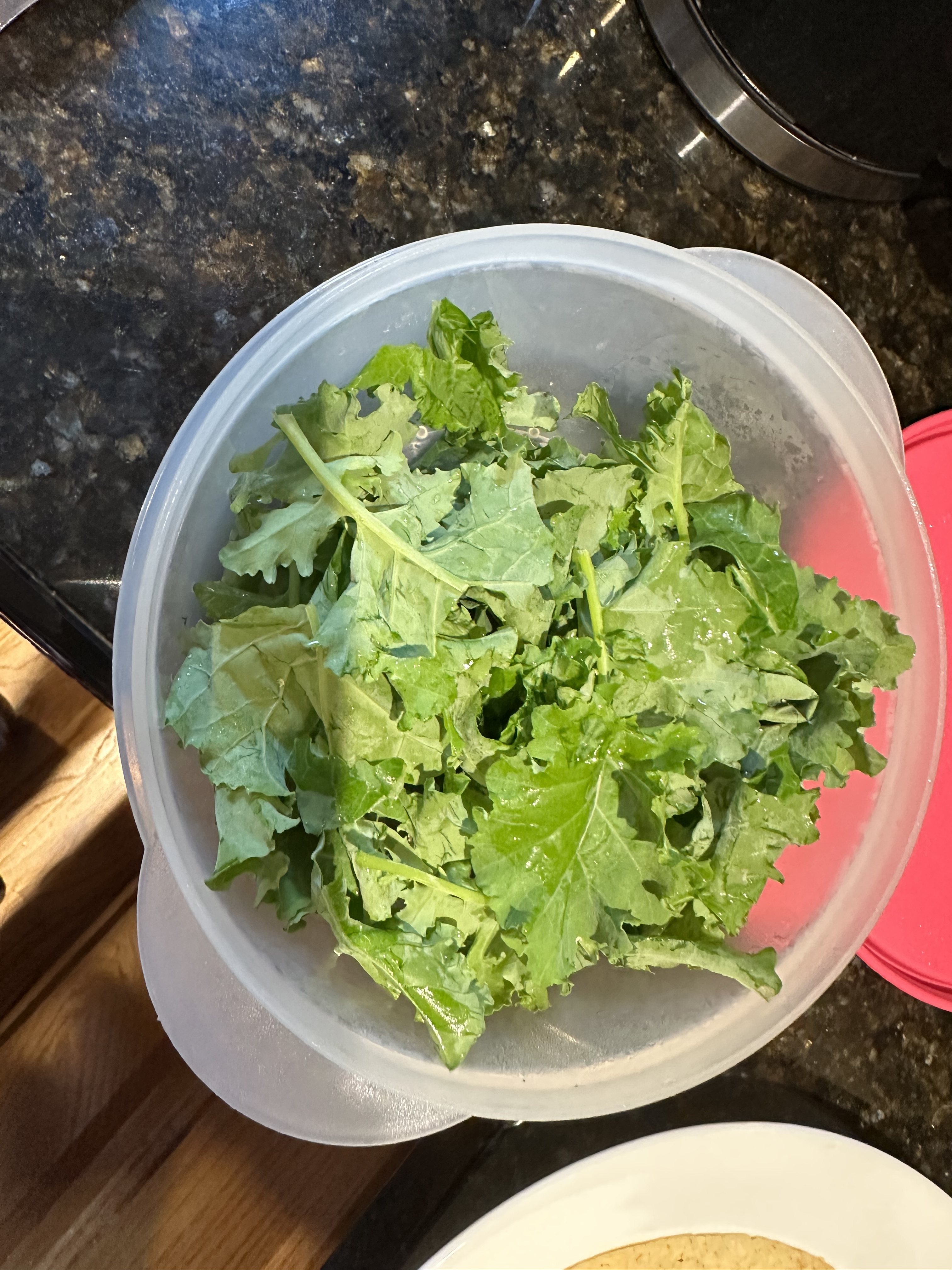
gone