Open Write Day 2 of 3 November 2025: Traditions Tanka with Mo Daley of Illinois

Mo Daley is our host for today’s Open Write at http://www.ethicalela.com. She inspires us to write tanka poems to share our traditions. This may be one you’d like to try today, so I’m including her directions below.

Mo writes, “This time of year always gets me thinking about traditions. There are many my family and I look forward to celebrating with each other. I really love hearing about other peoples’ traditions, too. Hayrides, Oktoberfest, pumpkin patches, bonfires, corn mazes, pumpkin carving, and cooking might be some of the traditions that come to mind when you think of fall. Today’s poem is a way for you to flex your poetic muscles while letting all of us learn a little bit more about you and the traditions you observe.” 

Mo inspires us with these words: “Write a tanka or series of tankas telling us all about a favorite, or maybe least favorite, fall tradition. A tanka is a traditional Japanese poetic form of 31 syllables over 5 lines. The syllable count is 5/7/5/7/7. Usually there is a turn in the third line. Consider focusing on sensory images to help us feel like we are right there with you. “

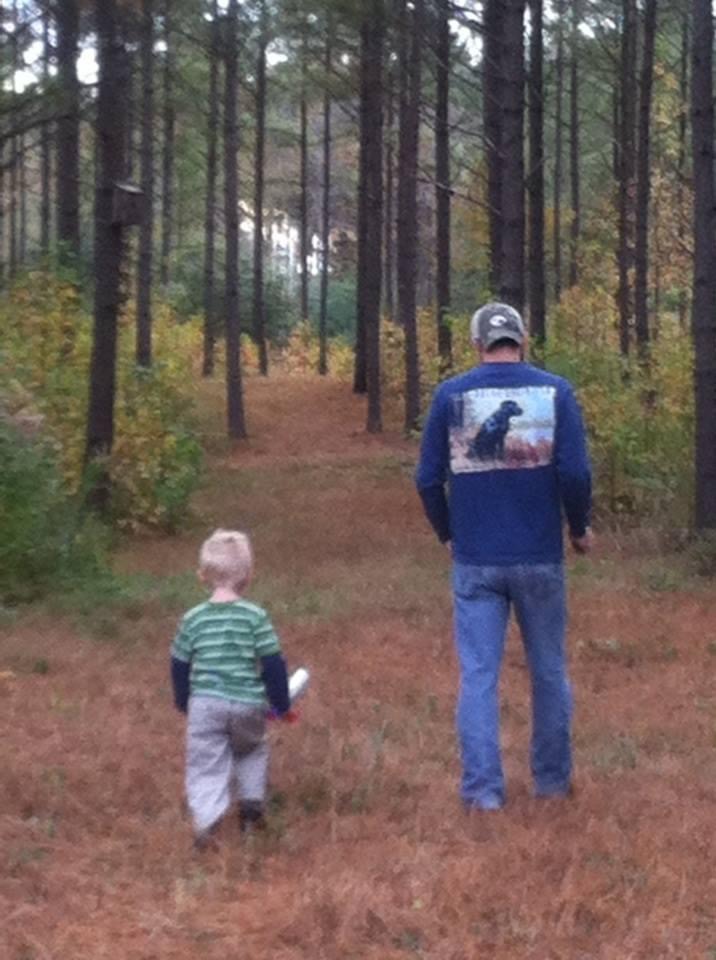
You can read Mo’s poem at the Open Write today by clicking here. In my poem below, I feel the need to clarify the spelling of the yellow bear. My first grandson could not say yellow, so when my son suggested they go on a bear hunt on our farm in rural Georgia to find the highly-elusive-never-before-seen yellow bear, my grandson couldn’t stop talking about the lellow bear, and none of us have called it anything different ever since. I still have the picture of them setting out to find it, and it warms my heart to think that one simple moment, one slight of the tongue, became a family tradition that remains to this day.

Traditions Tanka

first, the pumpkin bread

that started when they were kids

I tie the apron

sift the flour, mix in the eggs

add sugar, spices, pumpkin

dominoes thunder

onto great granny’s table

the one I redid

while the bread bakes, we play games

we pair with grandkids

we all walk the farm

looking for the “lellow bear”

every eye stays peeled

lellow bear is elusive

someday, we might catch a glimpse

the coffee pot stays

full of fresh brew to help us

keep up with these kids

Scrabble (turntable version)

for adults, post-kids’-bedtime

togetherness fills my soul

I take a deep breath

they were born last week

now here they are, with their own

tears of gratitude well up

Several years ago ~ from the time of his first bear hunt to early teens
The walk that started it all: the first hunt for the elusive lellow bear
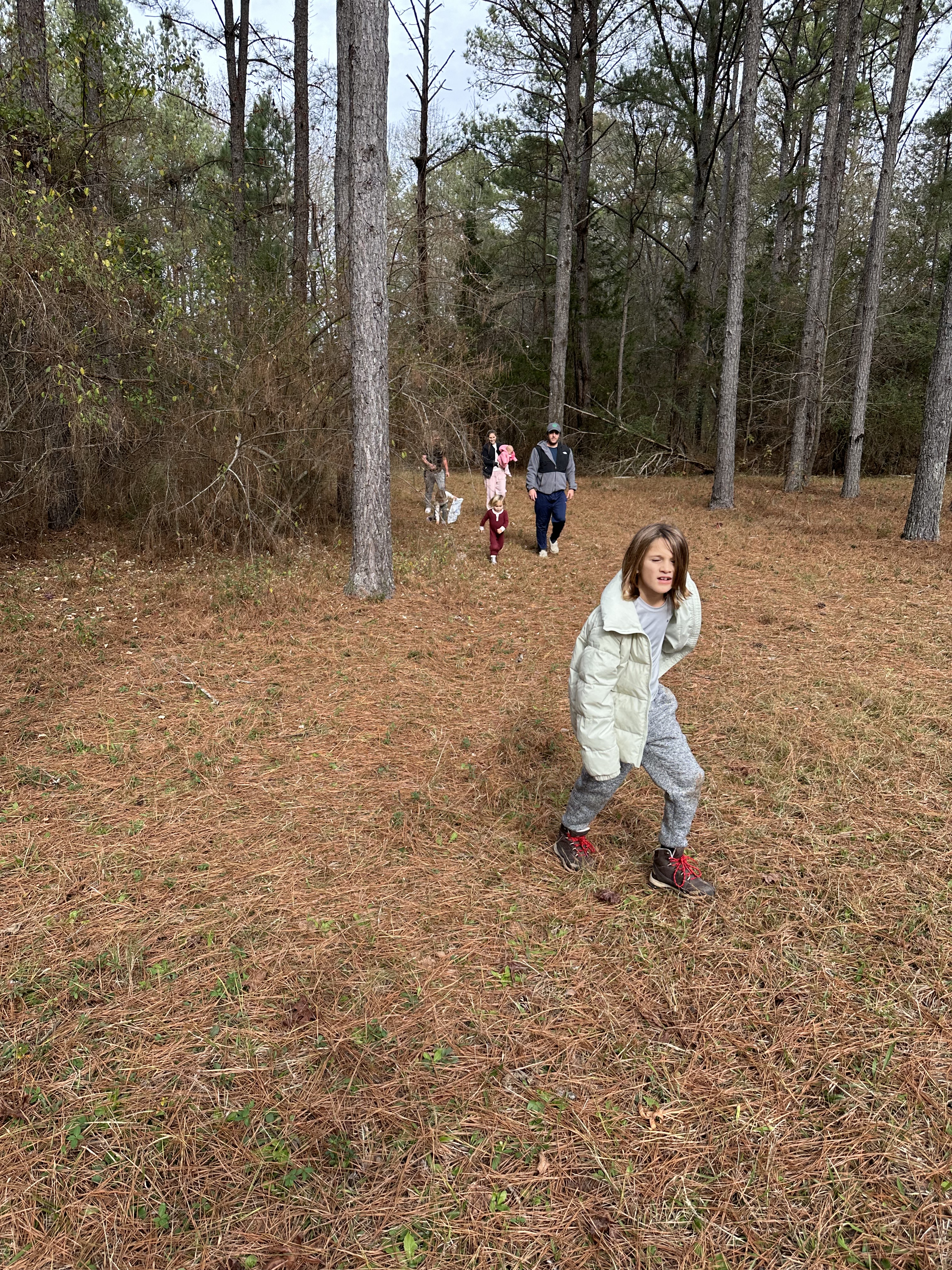
Today, the hunts continue

A Calm Christmas: Heritage

Photo by Luna Lovegood on Pexels.com

This December, I’m slowly making my way through Calm Christmas and a Happy New Year by Beth Kempton (2019), and in Chapter 1, Kempton presents The Five Stories of Christmas that focus on faith, magic, connection, abundance, and heritage. Today’s focal thoughts center on heritage.

Kempton invites readers to reflect on these aspects of heritage:

What is your view of traditions related to midwinter, such as decorating your home with evergreens and celebrating the winter solstice? What sort of weather do you associate with Christmas, and what impact does it have on how you expect to feel and what you expect to do this time of year? What particular traditions have been handed down through your family and become part of your personal Christmas story, and how do you feel about them? Do you plan to maintain them?

We’ve never specifically celebrated Winter Solstice, but we have traditionally celebrated winter with a Christmas tree in our home, whether real or artificial, along with a wreath on the door as well. Having grown up on an island, I always wanted snow but never had a true “White Christmas” until 1989, when the snow set in the evening before Christmas Eve and amounted to about 6 inches in the coastal area of South Carolina where we lived at the time. Weather never had an impact on our holiday season, since most of the time it was warm and sunny. In fact, there were Christmases that we could have sunbathed on the beach.

Traditions that have been handed down include gift giving and celebrating Christmas morning around the tree with a breakfast casserole in the oven, warm cinnamon rolls, and coffee and juice. There were many years that my mother hosted a formal Christmas dinner at high noon with extended family around the table, and while I loved it, a formal meal on Christmas Day is not a tradition that I would be successful in continuing, as families are growing and beginning their own traditions. At this point, my husband and I are happy to travel or to be home – whichever works out best for those family members with young children. Also, we often spread the celebration times around so that we are not locked into the one day of Christmas being our dedicated day to gather.

In writing our Christmas narratives, Kempton reminds us that “much of the stress of Christmas comes from either not giving ourselves permission to evolve our inherited narrative, or from the pressure to evolve it into something that is out of alignment with what, deep down, we believe about Christmas….What we need is a way to marry what matters to us with what matters to those we love, and then let go of the rest.”

I couldn’t agree more. Having traditions and memories creates rootedness and belonging, but it’s a double-edged sword in creating a rigidness that prevents us from embracing new ways of doing things and being flexible in our thinking. Things don’t always have to be done the way they’ve always been done. It’s my turn to celebrate with my children – and their children – in the way that they choose to honor, celebrate, and keep Christmas!

On a scale of 1 to 10, I’d rate heritage as it relates to family traditions as a 4 or 5 in importance. These ratings will become part of a Christmas constellation in tomorrow’s post.

Rabbit Rabbit

Photo by Pixabay on Pexels.com

all this rabbit rabbit

of yesterday to have

good luck all month ~

a maddening superstition

bringing more stress about

the forgetting is bad luck

enough to forego the

continuation

to begin to ask why

we do this to ourselves

why rabbit, rabbit?