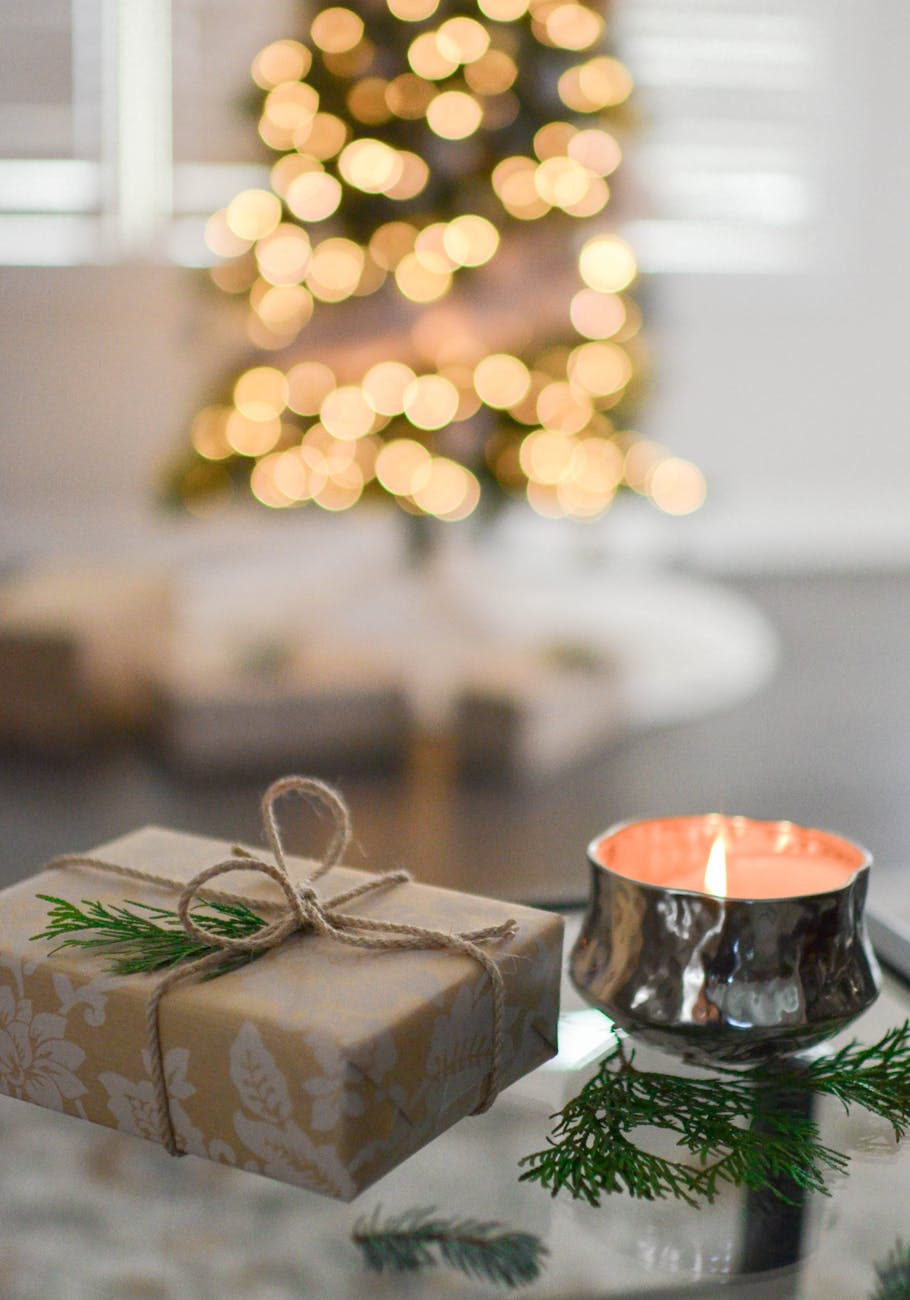
A Calm Christmas: Celebrations During Christmas

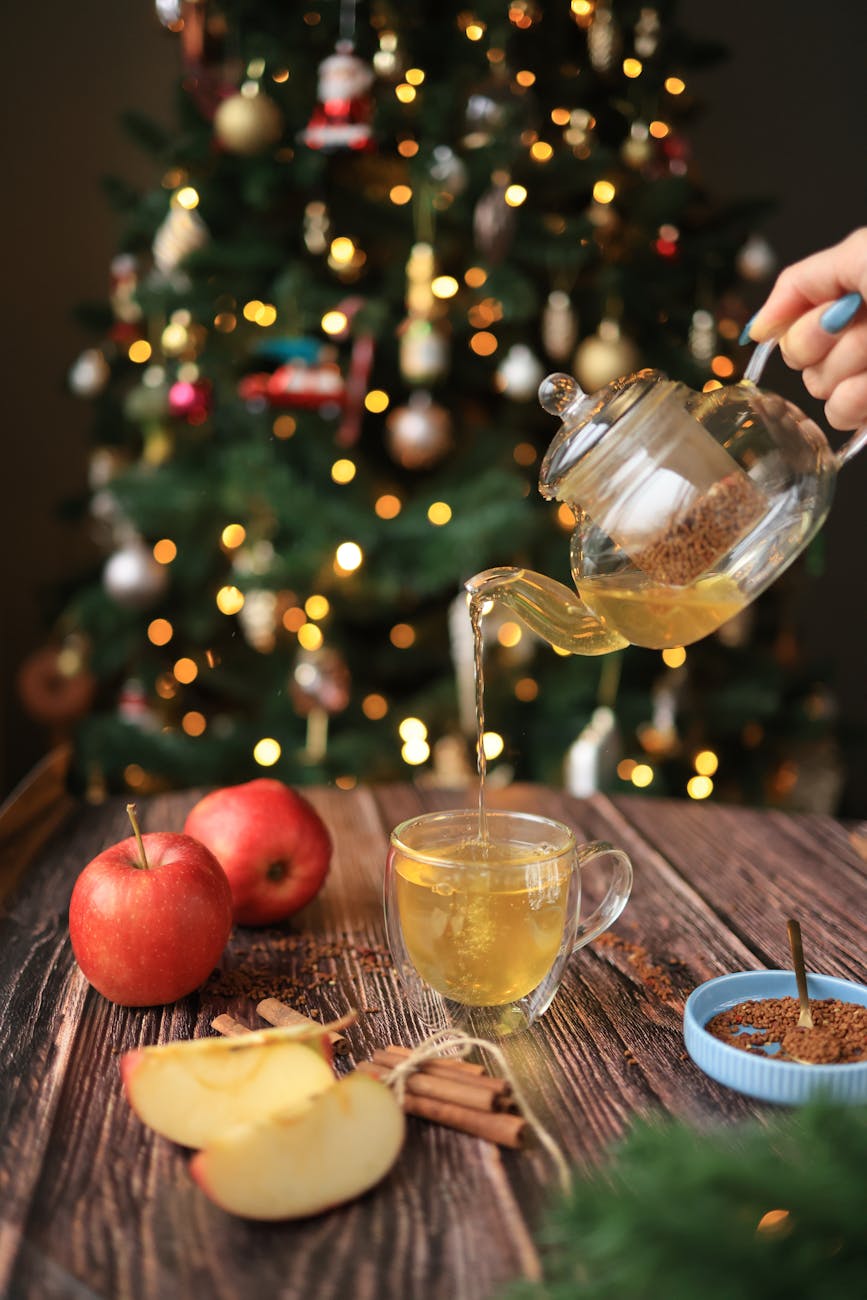
Photo by Element5 Digital on Pexels.com

This December, I’m slowly making my way through Calm Christmas and a Happy New Year by Beth Kempton (2020), and in Chapter 4 which begins Part 2, she presents ways to consider mindful giving as we celebrate during Christmas.

Kempson says, “Mindful giving comes down to three questions: whether to give, what to give, and how to give.” She goes on to explain that sometimes, the best gift of all is the gift of nothing (there is a child’s picture book title by that name) – that the social contract of giving is often felt most strongly this time of year when the release is there to simply forego gifting. In fact, she provides a statistic that 60 million gifts in 2018 in the UK were unwanted, according to one study, and that another survey found that six out of every ten gifts given to a sample of 2,000 adults were unwanted. Before giving, she offers 3 questions to guide the gifting: is it mindful, is it meaningful, and is it memorable?

Our office holds a gift exchange, and while it’s fun, I’d lay a wager that the numbered gifts fall into the statistics above. For this occasion, I look at the dollar value and either go with wrapped cash or a gift card from a certain huge retailer named after a river in South America. Everyone participating seems to like this option so they can either use it to further their own Christmas shopping or personalize a gift for themselves – from someone who doesn’t know any of them well enough to give a one-size-appeals-to-all gift in this eclectic mix of personalities that would satisfy whomever ends up with it. And it works like a charm.

For the smaller department sector, I set out to answer the age-old question about the best gift for all ages. Everyone loves it. Everyone needs it. Everyone uses it. No one expects it.

And I came up with the answer to this universal question by looking deep into my own soul and asking: what does everyone need that everyone probably already has but could use more of, where size, age, gender, religious affiliation, and political persuasion does not matter? And a clear answer rose to the top.

Chapstick.

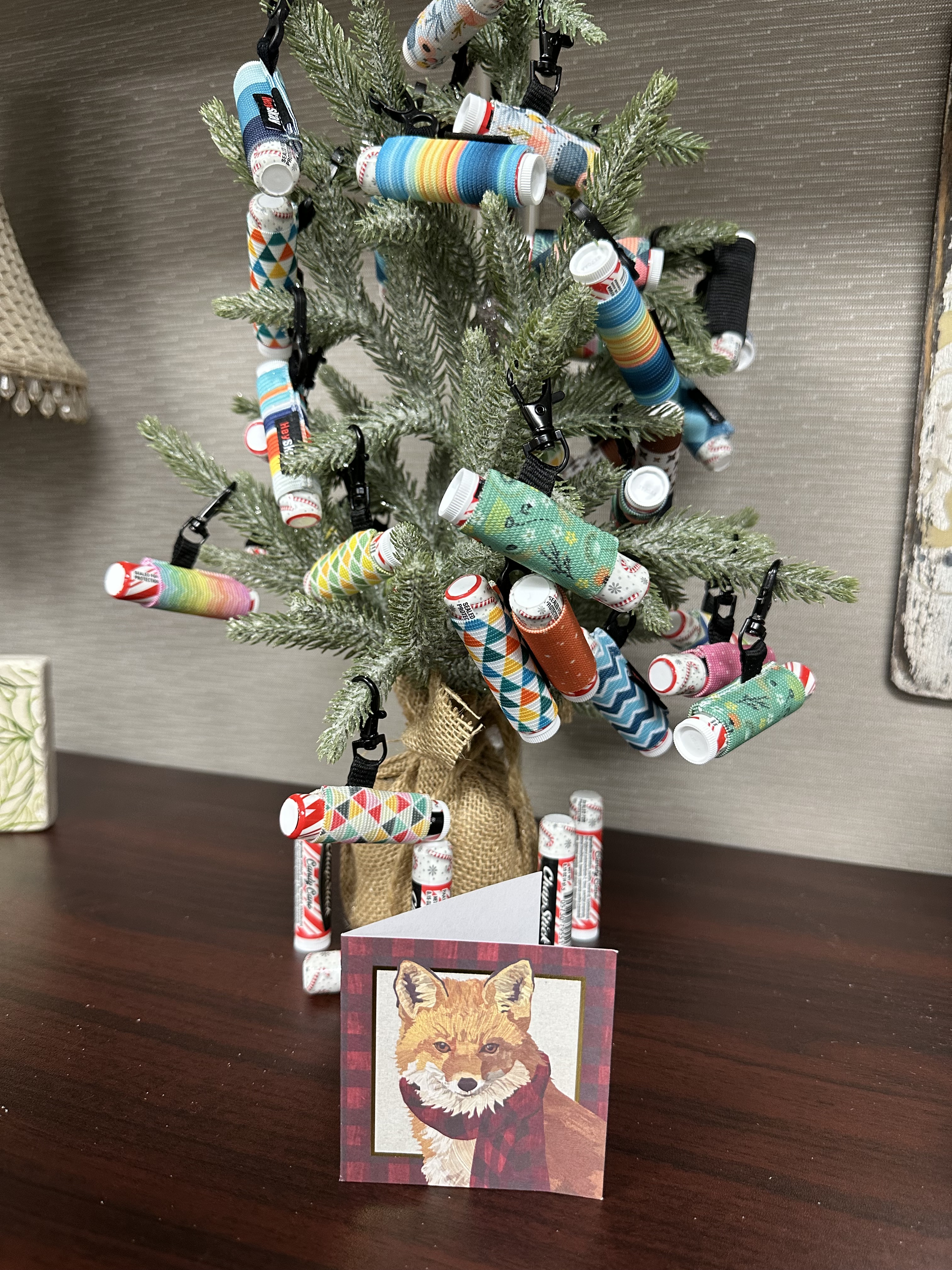
I ordered three dozen tubes of Candy Cane Chapstick, along with a supply of clip holder sleeves I’d seen on a travel blog recently. The sleeves have a clip that allows users to attach the tube to a lanyard or a purse loop or backpack strap so that the tubes don’t end up in pockets, either lost through holes, melting with body temperature – or worse, going through the washer and dryer and staining clothes with petroleum spots like I’ve done so many times.

I grabbed a tabletop tree from Hobby Lobby and festooned the tree with the best guard against bitter winter wind that exists – this universal tiny tube of lip bliss. And here is what I discovered: you can’t go wrong with a candy cane Chapstick tree. It’s mindful, meaningful, and (hopefully) memorable – at least for a season.

Even with all of the thanks and appreciative conversations with people asking for the links to be able to re-create the idea at their family gatherings this year, the thrill of giving something you know people both need and want far outweighs the joy of receiving. It’s the greatest feeling in the world!
A Calm Christmas: Comfort and Joy in Contemplation of Spirit

Photo by Bianca Debisko on Pexels.com

This December, I’m slowly making my way through Calm Christmas and a Happy New Year by Beth Kempton (2020), and in Chapter 3, she presents ways to seek comfort and joy in winter by seeking our natural rhythms and learning from nature.

To contemplate ways to simplify and nourish our spirits, Kempson encourages us to go gently into winter mornings by tiptoeing to the kitchen, light candles, meditate, or write as self-care measures. She asks these questions:

How could you simplify your home, schedule, digital life? How can you nourish your mind, body, spirit, and loved ones, and what rituals will see you through winter?

So much can be simpler. I once heard that if you feel stressed and need to hit the reset button, spend a half hour in nature. But those who are really busy should spend an hour. Sometimes we don’t have control over simplifying our work schedules or the digital life that work requires, but when home is the haven that allows the respite at day’s end, there is much to be loved. I walk my dogs along a path my husband keeps cut on the farm…and would you believe I go in my flannel pajamas and boots, praying all the while that a delivery truck doesn’t come calling while I’m out in my loungewear? We drink cinnamon orange tea in the evenings in winter, and while we don’t have a real log fireplace, we keep the gas logs going if it’s anywhere below 60 degrees outside. These are the ways we nourish ourselves, and the simple rituals are what will take us through winter. Sometimes, doing as little as possible on weekends is the order of the day, letting the book stacks speak their stories to us as we read the day away.

One of my favorite thoughts in this chapter is “the sounds of winter are cracking in poetry, wind in the trees, rain on the roof, a spitting fire, the thump of a log falling away from the flames, rustling paper, mulled wine poured steaming into a glass, the rhythm of the weather forecast calmly announcing that the storms will rage on.”

That’s the epitome of hygge at its finest – in its best season to be fully experienced as a way to embrace the season of winter.

Photo by Valeria Boltneva on Pexels.com

A Calm Christmas: Comfort and Joy in Winter

This December, I’m slowly making my way through Calm Christmas and a Happy New Year by Beth Kempton (2019), and in Chapter 3, she presents ways to seek comfort and joy in winter by seeking our natural rhythms and learning from nature.

She shares her experience searching for deer with her father when she was nine years old, hoping to capture photographs of them at dawn when all the rest of the world was still sleeping. Through this experience, she is certain that she finds her spirit animal and holds to the belief that the fallow fawn shares secrets that lead to discovery and strength, even still through the memories she made that day.

Another reflection she shares is her rhythm of childhood winters, with such predictability that there is great comfort in the daily routines and patterns of familiarity – getting dressed by the heater, pressing her nose against the window of the toy store, eating porridge each morning, caroling, bedtime stories. What can seem humdrum has roots of dependability in the knowing that things are the way they are and taking a deep sense of certainty in the simple, mundane living of days.

Kempson writes in Chapter 3, “At this time of year, it’s natural to slow down, prune our lives of extraneous details, reflect on past events, and tend our hearts, minds, and bodies so we are ready to flourish again.” There’s a quietness to the process. To contemplate our winter rhythms, Kempton encourages us to find a still, quiet place and think about what brings us comfort and joy at this time of year, and throws in a glimmering question to chew on: what would radical winter wellness look like for you?

Radical winter wellness – what a concept! At first thought, a cup of steaming hot tea with local honey and fresh lemon come rushing to mind. Long walks with the dogs across the farm, breathing plenty of fresh air deep into the lungs seems like ultimate wellness also, along with simmering soups chock full of fresh vegetables with bright orange carrots just right. Zesty navel oranges and cinnamon oatmeal with brown sugar, and quiet moments of reading by the fire all proclaim wellness, too.

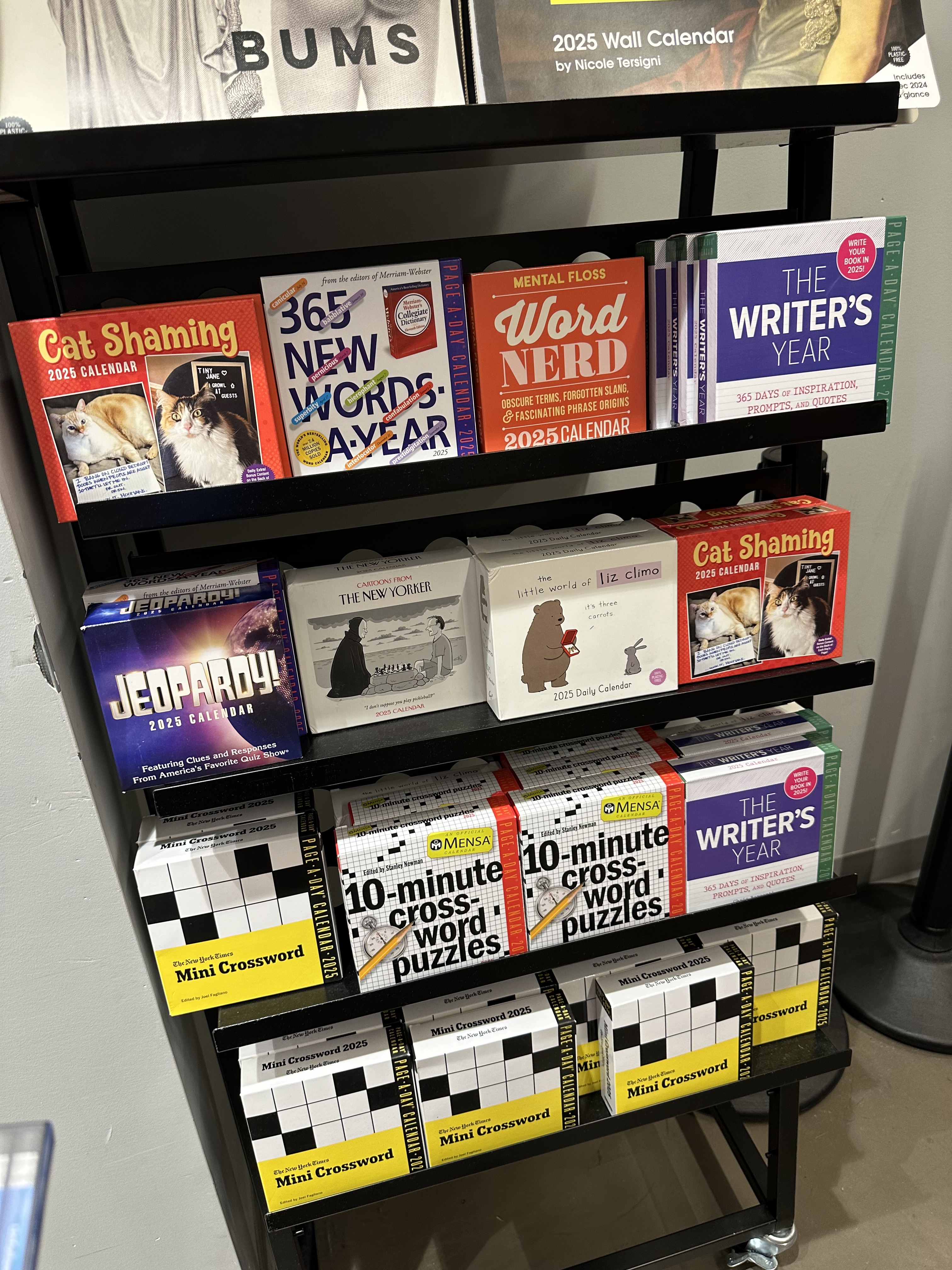
And radical wellness for the mind. That is found in a stack of delightful reading and a crossword puzzle – and I’ve ordered a calendar with them so I have a short puzzle each day to chew on – – a mini crossword like a small piece of chocolate from a candy jar – just enough to satisfy. Just enough to bring comfort and peace.

A Calm Christmas: Mission Christmas Constellations!

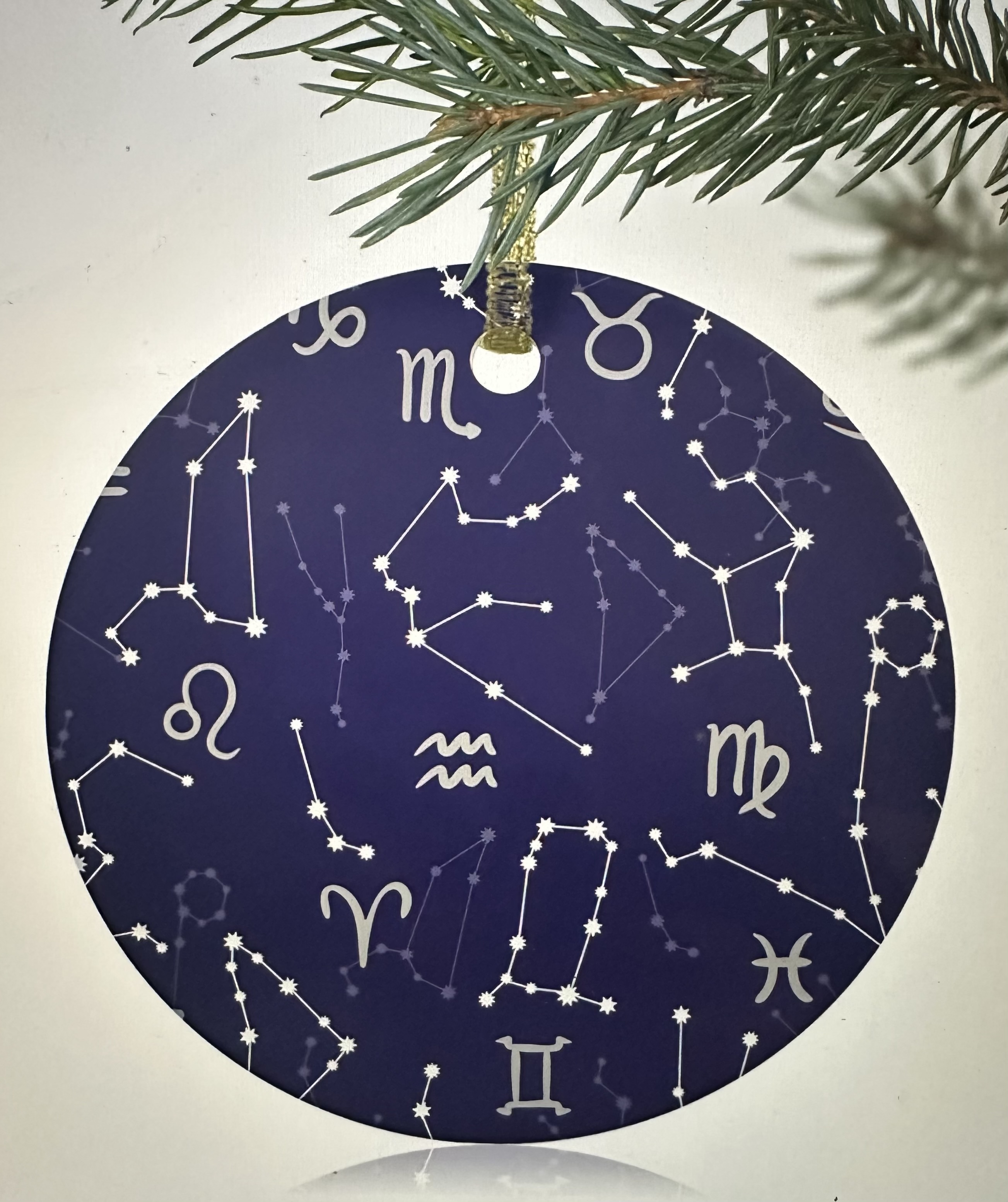
This December, I’m slowly making my way through Calm Christmas and a Happy New Year by Beth Kempton (2019), savoring every chapter like it’s a rich dessert, drizzled with all the best chocolate, caramel, and whipped cream. In Chapter 2, Kempton presents ways to reflect on and consider various aspects of Christmas and what they truly mean to us. We take the scores of importance from Chapter 1 to create Christmas constellations and consider ways to reduce tension and enhance the holiday season, especially when comparing our rankings with those of a spouse.

I completed my Christmas Constellation by graphing, in rankings of importance on scales of 1-10, the areas of faith, magic, connection, abundance, and heritage as they relate to what Christmas means to me. I examined my completed graph and imagined what I might call my constellation in the clear, cold night so brightly shining. The reclined reader. The image is vividly there as I look at the outline of the recliner with my head propped back, my feet up on the footrest of the chair, flanked by three warm schnoodles and a book in my hands.

Truth. That’s me in the night sky in my own personal twinkling constellation. Exactly as I would want to be, right there on a red line stretching out between the star dots.

Imagine my surprise when I went back through Chapter 1 and asked my husband to share his personal 1-10 rankings of these same parts of Christmas in the quest to create an overlay. I hadn’t revealed my rankings to him when I asked him to share his. I jotted them down, then flipped the chart to rank his in green.

Here are our overlaid results:

Just as Kempton intended, I’m sure, this led to some deep conversation about our Christmas ideals and values. Out of 50 possible perfectly matched points, we were 2 1/2 points divergent: a half point off on heritage, one point off on faith, and one point off on connection. Magic and abundance were matched exactly, at 6 and 5 respectively.

We talked about the things we noticed and wondered, most notably that we were curious if the loss of our mothers impacted our seemingly low rankings on heritage. Perhaps some of the traditions felt “less” now that they were no longer here – or too painful to continue. We also talked about what made sense as we worked our way through the discussion points. It makes sense that we both ranked faith the highest, since church has played a tremendous role throughout our lives. It makes sense that abundance, to us, means that we have just enough – without living lives of excess. It makes sense that we value connection with others since we have family and friends with whom we enjoy spending time at holidays. It makes sense that the magic of Christmas still hangs in the air as wonder and belief that unseen guests and unexplained events can be seen and felt more strongly at Christmas than any other time.

Three hours later, we were still sharing Christmas memories and reasons we believe things are the way they are now in each of these areas. Kempton noted that these rankings can change each year -and we both agreed that five or ten years ago, our rankings would have been different in most categories. I think what we both enjoyed more than anything was the evening of deep conversation with dogs piled in our laps, instrumental Christmas music playing softly in the background as we shared favorite times and reflections.

The upside is that our values are similar enough that we aren’t likely to disagree or argue about the way things should be done. The downside is that where rankings seem they may be perceived as weak, there isn’t a higher ranking in the other to pull either one of us up on the scale where some areas might generate more “Christmas spirit” if they were higher.

That fine line between Christmas spirit and stress, though, is a reflection for a later chapter.

The shared perspective is that right now, we’re exactly where we want to be.

A Calm Christmas: Heritage

Photo by Luna Lovegood on Pexels.com

This December, I’m slowly making my way through Calm Christmas and a Happy New Year by Beth Kempton (2019), and in Chapter 1, Kempton presents The Five Stories of Christmas that focus on faith, magic, connection, abundance, and heritage. Today’s focal thoughts center on heritage.

Kempton invites readers to reflect on these aspects of heritage:

What is your view of traditions related to midwinter, such as decorating your home with evergreens and celebrating the winter solstice? What sort of weather do you associate with Christmas, and what impact does it have on how you expect to feel and what you expect to do this time of year? What particular traditions have been handed down through your family and become part of your personal Christmas story, and how do you feel about them? Do you plan to maintain them?

We’ve never specifically celebrated Winter Solstice, but we have traditionally celebrated winter with a Christmas tree in our home, whether real or artificial, along with a wreath on the door as well. Having grown up on an island, I always wanted snow but never had a true “White Christmas” until 1989, when the snow set in the evening before Christmas Eve and amounted to about 6 inches in the coastal area of South Carolina where we lived at the time. Weather never had an impact on our holiday season, since most of the time it was warm and sunny. In fact, there were Christmases that we could have sunbathed on the beach.

Traditions that have been handed down include gift giving and celebrating Christmas morning around the tree with a breakfast casserole in the oven, warm cinnamon rolls, and coffee and juice. There were many years that my mother hosted a formal Christmas dinner at high noon with extended family around the table, and while I loved it, a formal meal on Christmas Day is not a tradition that I would be successful in continuing, as families are growing and beginning their own traditions. At this point, my husband and I are happy to travel or to be home – whichever works out best for those family members with young children. Also, we often spread the celebration times around so that we are not locked into the one day of Christmas being our dedicated day to gather.

In writing our Christmas narratives, Kempton reminds us that “much of the stress of Christmas comes from either not giving ourselves permission to evolve our inherited narrative, or from the pressure to evolve it into something that is out of alignment with what, deep down, we believe about Christmas….What we need is a way to marry what matters to us with what matters to those we love, and then let go of the rest.”

I couldn’t agree more. Having traditions and memories creates rootedness and belonging, but it’s a double-edged sword in creating a rigidness that prevents us from embracing new ways of doing things and being flexible in our thinking. Things don’t always have to be done the way they’ve always been done. It’s my turn to celebrate with my children – and their children – in the way that they choose to honor, celebrate, and keep Christmas!

On a scale of 1 to 10, I’d rate heritage as it relates to family traditions as a 4 or 5 in importance. These ratings will become part of a Christmas constellation in tomorrow’s post.

A Calm Christmas: Abundance

This December, I’m slowly making my way through Calm Christmas and a Happy New Year by Beth Kempton (2019), and in Chapter 1, Kempton presents The Five Stories of Christmas that focus on faith, magic, connection, abundance, and heritage. Today, my thoughts center on abundance.

Kempson inspires readers to reflect on this:

What elements of the more commercial side of Christmas do you recall from your childhood? Which aspects did you find exciting (such as a television ad, the idea of stockings bursting with gifts, writing a letter to Santa, etc?) How do you feel about Christmas shopping?

The first element of the commercial side of Christmas that I remember from childhood is the Sears Christmas Catalog Wish Book. I spent hours turning the pages of the toy section of the catalog as if those were the only toys in the world, all waiting on shelves at the North Pole to be delivered by a magical reindeer-pulled sleigh.

That wish book should not have been any different for me, really. My grandmother worked in downtown Waycross, Georgia in the Sears Catalog Department, so my entire childhood was filled with items from Sears – from housewares to clothing and everything in between. I had Winnie the Pooh on every shirt I owned, along with the matching shorts and pants, and I’m pretty sure that Sears short sets were the precursor to Garanimals. Whatever we may have needed, we mostly got it from Sears with the secret inherited family discount that all came down through Grandma Eunice.

Those catalogs weren’t just toy finders, either. They were the small-town Georgia equivalent of the New York City phonebooks used as booster seats for kids at Christmas dinner. It was the one time of the year we actually ate at the formal dining room table, and the catalog boost did the trick.

Shopping was an altogether different matter. My mother loved shopping at Lenox Square in Rich’s in Atlanta, Georgia the day afterThanksgiving. We spent all day there with my aunt, and it started at 6:00 a.m. to get the bargains, starting in Rich’s – before it became Macy’s. In fact, the men would drop off the ladies and the children and go back home to watch football and relax, but they would make a swoop back to the basement door of Rich’s by the candy counter so that the ladies could pack all the treasures in the car without having to lug so many bags. By the time the men returned, the women had fulfilled their part of the day with us cousins. We’d been through the Secret Santa gift shop with our own personal elf to help us shop with the money and list our mothers had made, and we’d also seen the pink pig. We got to go home and play board games when the men came back. It was the dads’ turn to be on kid duty. The women? They kept shopping – without kids in tow.

I’m pretty sure that’s where I developed my lingering distaste for shopping. I don’t like traffic, I abhor frenzied crowds, and I don’t like the “thrill” of the hunt. As an adult, I never have been one to have much more than what I need (except in food and shoes), so the excess of clearance and sale items in the name of saving money never made much sense to me about things we hadn’t needed in the first place. Were we really saving money if the need wasn’t there?

These experiences had a place, though, in shaping the shopper I am today. These days, I ask family members for the digital equivalent of the Sears Christmas Catalog Wish Book in the form of links. My daughter in law is amazing about it, too. She has the lists ready, one per grandchild, and it allows me to shop Black Friday and Cyber Monday sales as we purchase gifts for our grandchildren. We use this principle: Something you want, Something you need, Something to Wear, and Something to read. That’s how we buy for each grandchild (number 7 will be here 2 days after Christmas, if not before).

It’s what we call simple abundance: having the things we need, but leaving plenty enough wishing room.

On a scale of 1-10, I’d rate celebration of abundance by way of Christmas shopping and gifting as a 5 in importance. The ratings of each section will be used to create my Christmas constellation on Friday.

A Calm Christmas: Connection

Photo by Helena Jankoviu on Pexels.com

This December, I’m slowly making my way through Calm Christmas and a Happy New Year by Beth Kempton (2019), savoring every sentence. In Chapter 1, the author presents The Five Stories of Christmas that focus on faith, magic, connection, abundance, and heritage. Today’s focal thoughts center on connection.

Kempton invites us to reflect:

Do you have a specific memory that is related to a Christmas tree, a Christmas feast, or a particular Christmas gathering?

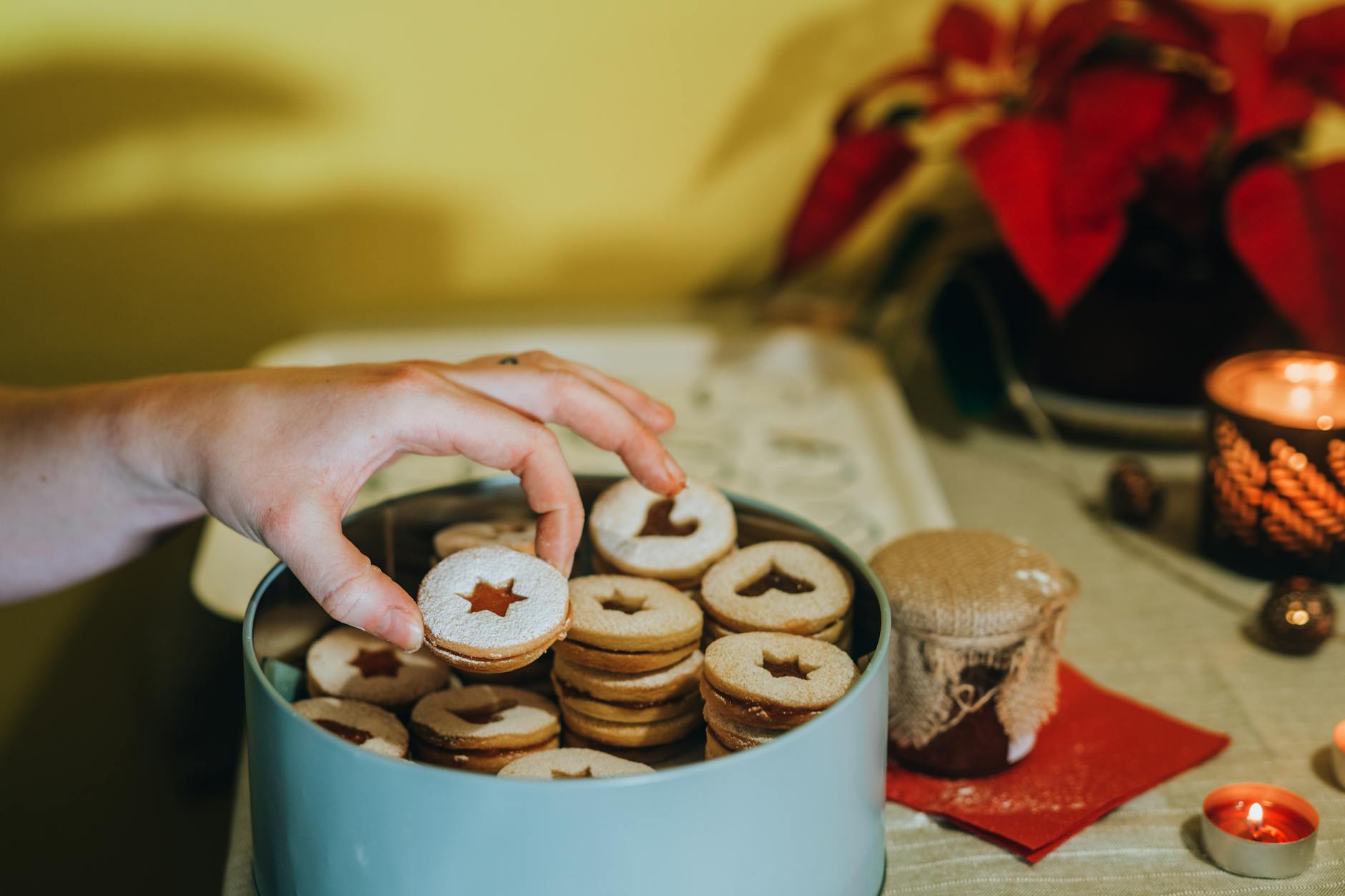
I do, in fact, have a specific memory that is related to a Christmas gathering. We were in my grandparents’ home in Blackshear, Georgia, sitting in the den by the silver tinsel tree with its bright blue ornaments – probably 1970ish. Their friends Kitty and Randolph dropped by with a tin of Christmas cookies, and I remember my grandmother receiving the cookies with warm thanks and a big hug before placing them on the kitchen counter, then returning to the den, where Kitty and Randolph sat down and made their impromptu visit. When they left, they got in their pickup truck to deliver more tins of cookies to family and friends – who, I’m sure, also had no idea they were coming for the surprise visit.

That memory still stays with me as the way of the old days before life got more complicated. It was my first experience with a Currier and Ives tin, and my first experience with a variety of different types of homemade cookies, like the kind with sticky orange marmalade in the center. This was a day when people were home more, did more baking, and made house visits. Life may not have actually been simpler; in fact, it may have been just the opposite. But the values seemed to have been much different, and everyday moments were made more meaningful because less seemed more and enough seemed bountiful.

The older I get, the more I love the idea of these bygone eras. I think it’s why I love reading anything by Gladys Taber so much. Everything she wrote from her Connecticut farm, in my mind, is seen through a Currier and Ives painting. Rustic, rural New England with snow and simple times. It was a day when people really connected. Not through a screen, but in person. Unannounced.

On a scale of 1-10, I would rate the importance of connection, gathering, and feasting at Christmas as an 8. These ratings of each of the stories will be important on Friday, when I draw my Christmas story constellation.

A Calm Christmas: Magic

This December, I’m slowly making my way through Calm Christmas and a Happy New Year by Beth Kempton (2019). In Chapter 1, she presents The Five Stories of Christmas that focus on faith, magic, connection, abundance, and heritage. Today, I’m remembering the magic of Christmas I felt as a child.

Kempton asks us to reflect: Where did your ideas about Saint Nicholas/Father Christmas/Santa Claus come from? Did you enjoy other magical stories as a child?

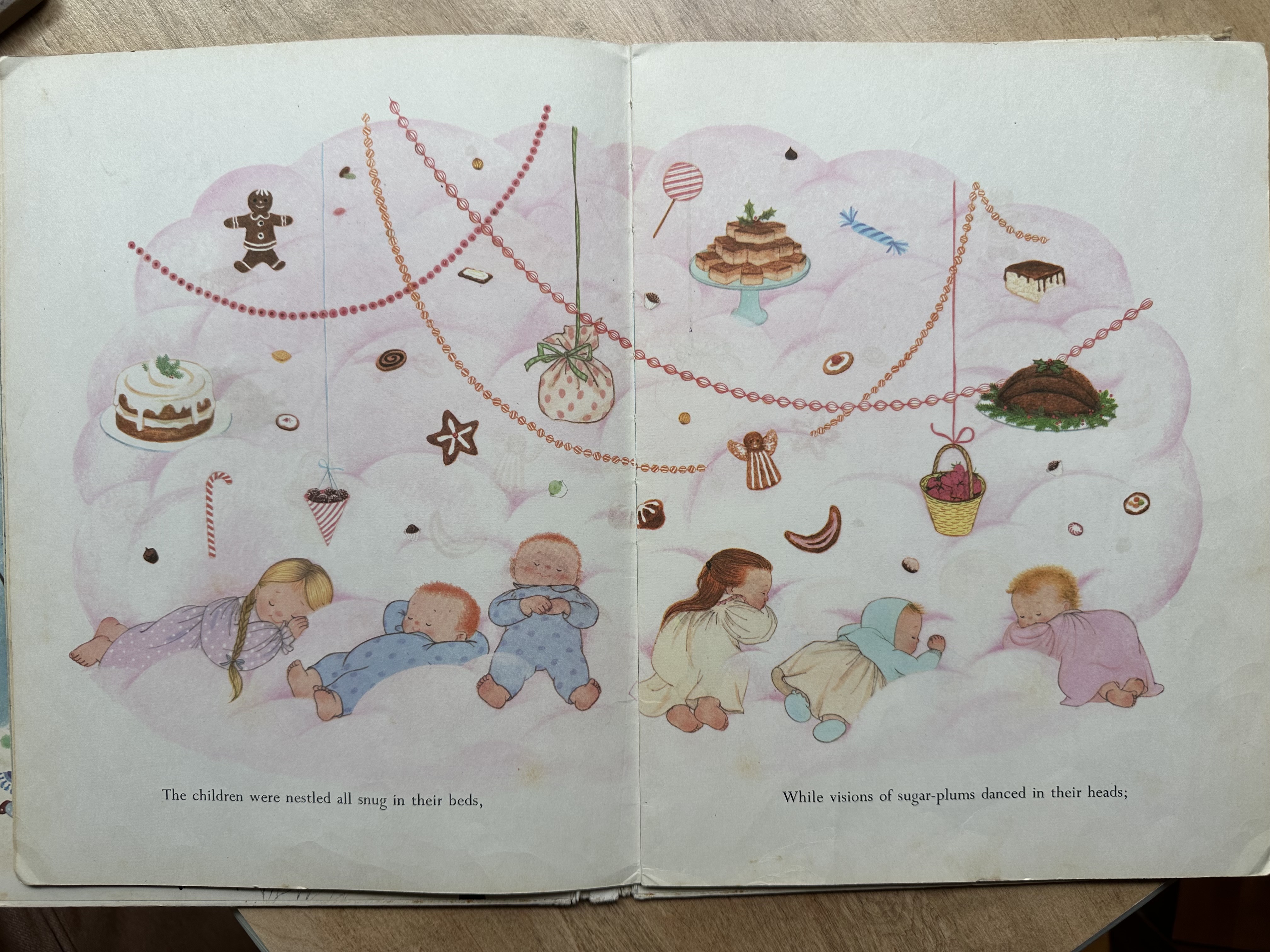
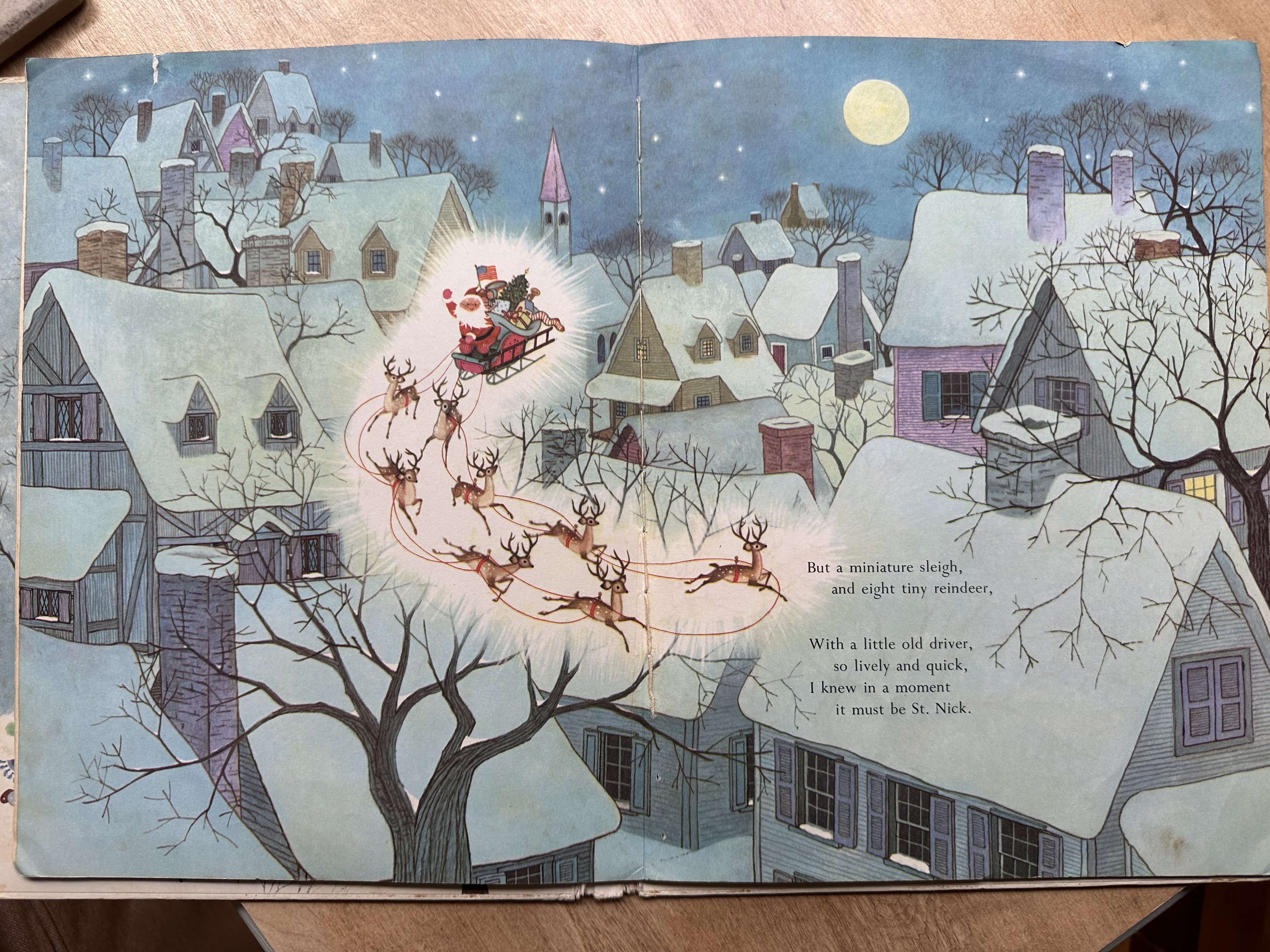
There is no question about where my idea of Santa was rooted. I still have my favorite version of The Night Before Christmas, illustrated by Gyo Fujikawa. Though it is in poor condition from being loved on so much, it was the one my mother read to me over and over and over again, and the one that still comes to mind on every mention of Clement C. Moore’s Letter to Saint Nicholas. The sugarplum illustration is my favorite one in the entire book. The art of the bygone era appeals to me.

Of course, there was other magic. Rudolph’s red nose and a team of flying reindeer were captivating images filled with magic. Frosty’s magical topcoat that brought him to life – and then couldn’t keep him cold enough to survive – still brings winter wonderland feelings even through the tears of a melted snowman.

Magic Acrostic

Merry Christmas

And Happy New Year

Going on 59 times now ~ and

I still love the magic of

Childhood at Christmas

On a scale of 1-10, rating how much magic and wonder are important to me at Christmas, I’d rate them a 6.