

This December, I’m slowly making my way through Calm Christmas and a Happy New Year by Beth Kempton (2019), and in Chapter 1, Kempton presents The Five Stories of Christmas that focus on faith, magic, connection, abundance, and heritage. Today’s focal thoughts center on heritage.
Kempton invites readers to reflect on these aspects of heritage:
What is your view of traditions related to midwinter, such as decorating your home with evergreens and celebrating the winter solstice? What sort of weather do you associate with Christmas, and what impact does it have on how you expect to feel and what you expect to do this time of year? What particular traditions have been handed down through your family and become part of your personal Christmas story, and how do you feel about them? Do you plan to maintain them?
We’ve never specifically celebrated Winter Solstice, but we have traditionally celebrated winter with a Christmas tree in our home, whether real or artificial, along with a wreath on the door as well. Having grown up on an island, I always wanted snow but never had a true “White Christmas” until 1989, when the snow set in the evening before Christmas Eve and amounted to about 6 inches in the coastal area of South Carolina where we lived at the time. Weather never had an impact on our holiday season, since most of the time it was warm and sunny. In fact, there were Christmases that we could have sunbathed on the beach.
Traditions that have been handed down include gift giving and celebrating Christmas morning around the tree with a breakfast casserole in the oven, warm cinnamon rolls, and coffee and juice. There were many years that my mother hosted a formal Christmas dinner at high noon with extended family around the table, and while I loved it, a formal meal on Christmas Day is not a tradition that I would be successful in continuing, as families are growing and beginning their own traditions. At this point, my husband and I are happy to travel or to be home – whichever works out best for those family members with young children. Also, we often spread the celebration times around so that we are not locked into the one day of Christmas being our dedicated day to gather.
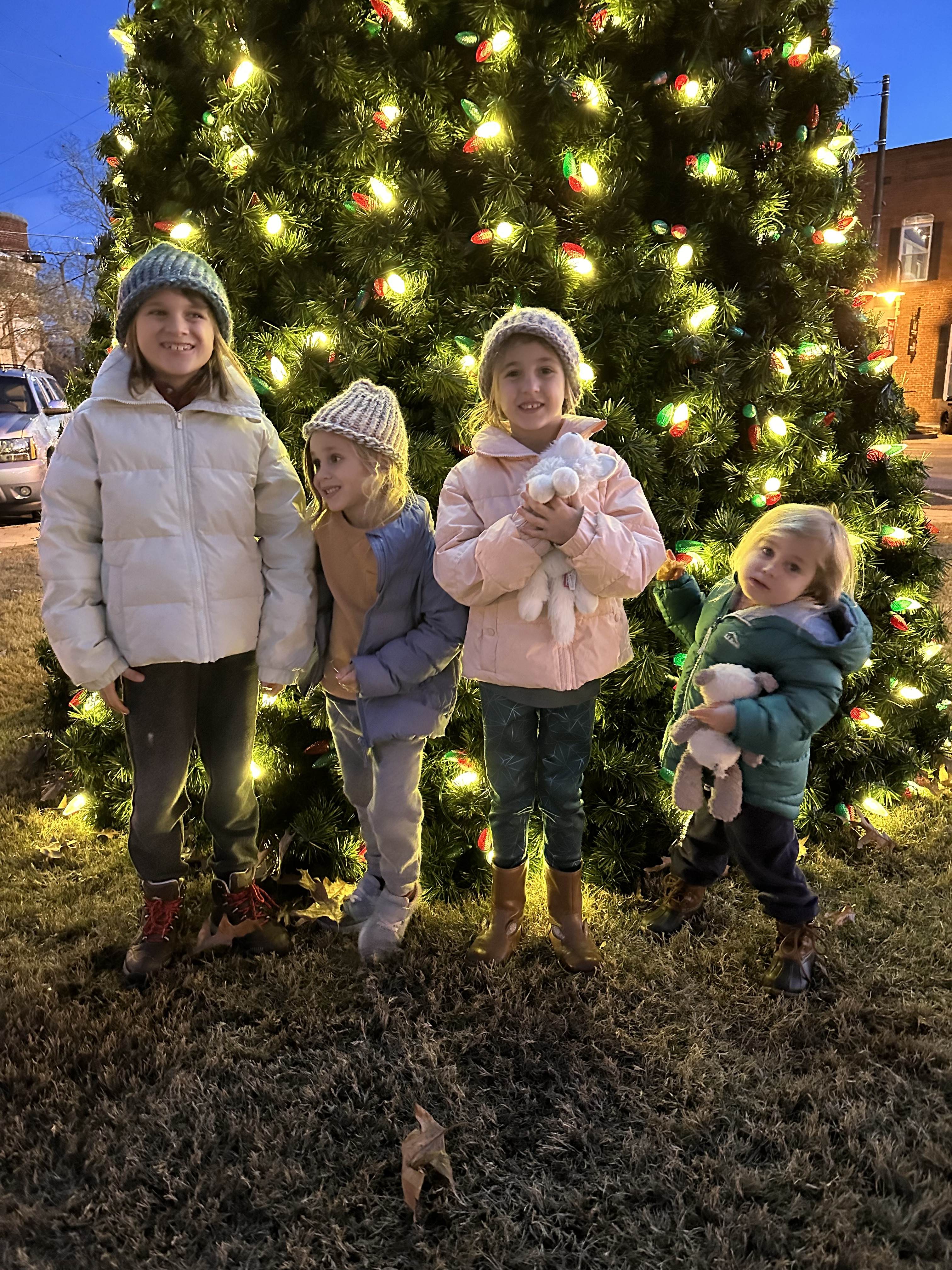
In writing our Christmas narratives, Kempton reminds us that “much of the stress of Christmas comes from either not giving ourselves permission to evolve our inherited narrative, or from the pressure to evolve it into something that is out of alignment with what, deep down, we believe about Christmas….What we need is a way to marry what matters to us with what matters to those we love, and then let go of the rest.”
I couldn’t agree more. Having traditions and memories creates rootedness and belonging, but it’s a double-edged sword in creating a rigidness that prevents us from embracing new ways of doing things and being flexible in our thinking. Things don’t always have to be done the way they’ve always been done. It’s my turn to celebrate with my children – and their children – in the way that they choose to honor, celebrate, and keep Christmas!

On a scale of 1 to 10, I’d rate heritage as it relates to family traditions as a 4 or 5 in importance. These ratings will become part of a Christmas constellation in tomorrow’s post.















 Common Threads