Great Granny’s Caramel Cake

Photo by ROMAN ODINTSOV on Pexels.com

my great granny Lena

made a caramel layer cake

second to none

back in the 1930s

between the Great Depression

and the sugar rationing years

teaching her daughters

the fine art of baking

just the way to moisten

the flour

just the way to bake

to touch

just the way to cook

the caramel sauce

not staying true

to any recipe, just

baking from the

knowing

baking from the heart

the way it tastes best

downtown,

a young man

“helps” an old lady across the

street when she

doesn’t want to go

still, emails come

offering to

pound cakes into molds

like this

the kind of store-bought

cake no one raves

about ever:

We are prepared

to support leaders

with individualized

coaching to positively

impact their school districts. 

We have assembled

some of the best professionals

throughout the state to serve

as executive coaches.

We have made it a top priority

to provide this

performance-based l

leadership to inspire

leaders to “GROW” and achieve

maximum impact

my granny Lena knew the art

of a thing could not

underpower

the science of a thing

because frosting-forcing

falls miserably ~ implodes

like a cake that might

have been delicious
Coaching in Schools – September

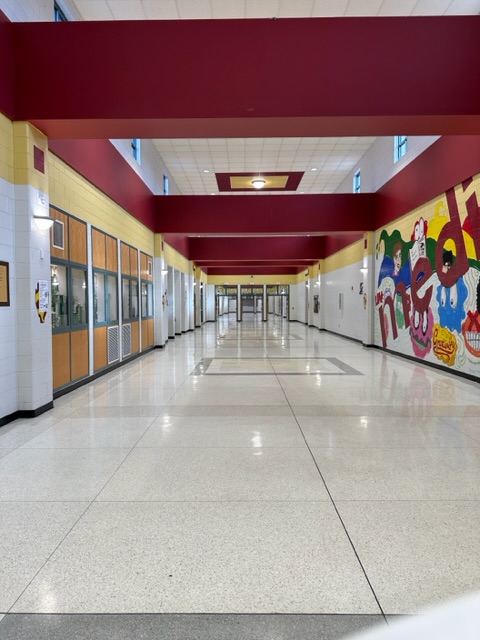
Earlier this week, I shared my experience participating in a coaching cycle in an elementary school in my state. This work takes place through the Georgia Association of Educational Leaders (GAEL) as part of the L4GA Grant (Literacy). During the second day of our coaching cycles, we visited a high school in the same area. In the elementary school, we looked for examples of behavioral, cultural, and cognitive engagement. At the high school, we looked for levels of rigor.

The classes with the highest levels of rigor, we observed, were classes where teachers knew their students’ interests and had a grasp of where they were in their understanding of the content. They knew how to push and how to pull, how to give some students an extra thinking challenge while working on the spot with a small group that needed extra support. The most masterful teacher we observed that day made relevant life applications by giving specific examples, providing time to think and to work on the task, encouraging talking with peers to figure out solutions, and asking questions in a way that allowed students to figure out the answers rather than giving the answers to the students or leading them there with hints. Instead of lowering expectations, they raised the bar.

We observed for instruction that needed tweaking to reach its potential also. No matter where we are as educators, there is always room for improvement. Teachers in these schools appeared to welcome the observation team with sincere interest in the suggestions to improve in the areas that are most often only recognized by someone other than the instructor.

I feel blessed to be able to be part of such a strong network of leaders throughout my state. Each district leader in this particular observation team comes from a different system, so we bring the perspectives of our own school system in terms of strengths, gaps, and areas of opportunity. We also see small things in the moments, on the walls, in the conversations, in the frameworks of instruction that make us stop and smile.

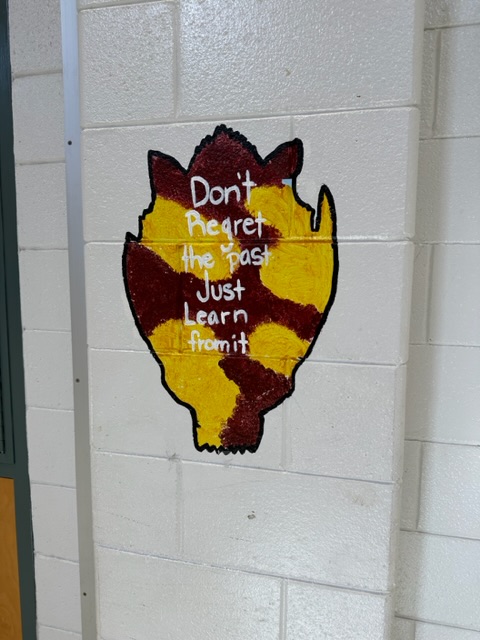
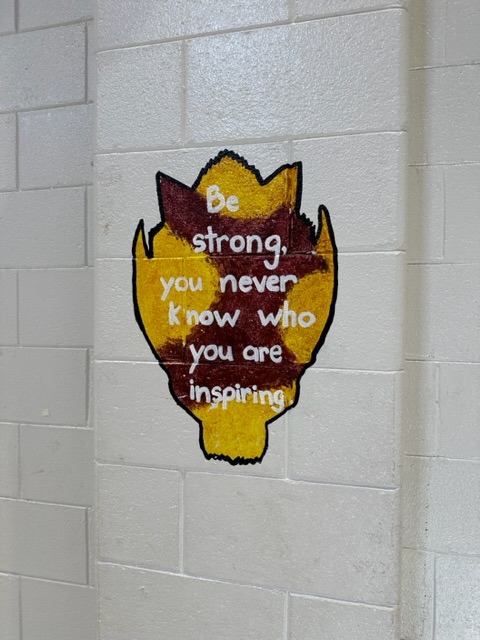
These were some signs throughout the building that brought some encouragement as we walked the hallways. I hope they inspire you the way they inspired me.