Celebrating Living Poets: Joy Sullivan

It’s Day 14 of the Slice of Life Challenge, and I am celebrating a different living poet each day throughout the month of March. As I curated the list of poets whose collections I wanted to use to inspire my writing, I selected a diverse range of writers – young/old, men/women of differing faiths, lifestyles, and races. Today, I’m celebrating Joy Sullivan, whose collection was like eating a carton of ice cream. I couldn’t stop at a serving size – – I devoured the whole decadent bowl of poetry in one sitting – ice cream, whipped cream, caramel and chocolate drizzle, nuts and a cherry – and I see myself rereading this one frequently in carton-sized servings.
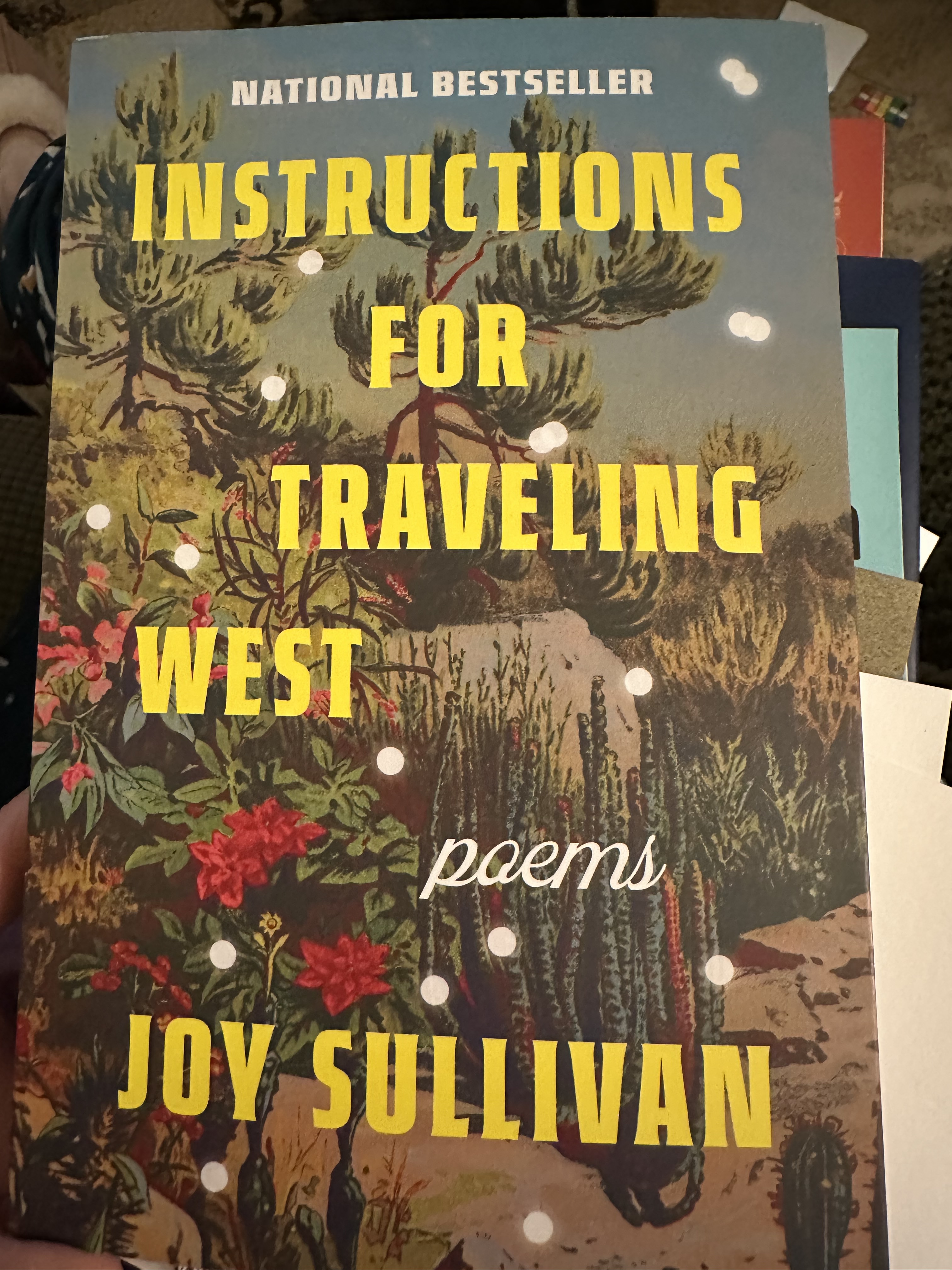
You can read more about Joy Sullivan here and here. She also has a Substack, Necessary Salt. Since Amanda Gorman’s reading at Biden’s inauguration where she wore the yellow coat and made poetry ring in ears across this nation and the rise of a generation of viral social media poets like Joy Sullivan, Lyndsay Rush, and others, including spoken word poets like Clint Smith and Sarah Kay, and event writers such as Chris Vitiello who appears as The Poetry Fox in a fox suit with an old typewriter and clicks out poems on the spot for folks who give him a word, we have seen a resurgence of poetry that makes it no longer a dead man’s indulgence. These younger writers are breathing life back into something that, for a few generations now, has met with fear and intimidation on the ears of high school and college students who were forever being required to analyze it as if it were a frog being dissected.

But poetry isn’t some ill-fated lab frog destined to be gutted and pinned flap by flap to the black tarry pan and exposed as parts and pieces by hands wearing vinyl gloves and gagging the whole way through it. No, poetry is ice cream and decadent cake, old dogs and puppies, blankets and candles and mostly arms that reach out, take your hand, meet you wherever you are when you think you’re alone in your feelings, and draw you in for an embrace. It coaxes out emotions you didn’t know you could feel. Step into this book and some of the other living poets and discover a pulse you never even knew you had running through your blood. Start at your local library and arrange inter-library loans. Keep a ranking of those you like, and then, out of the blue, there will be that one poet whose lines are a fish net, and you’re the fish. You will be forever hooked. There’s a word for it……

There’s A Word for It

What do you call nostalgia for all the places

beneath this wing

of swallowtails, sow thistle

wild as grass, so cool and soft

it softens something?

Taken from: Ghost Heart; The Cashier at the Gas Station Asks Where I’m From; Of Wildflowers; Tiger Farm; Sockeye
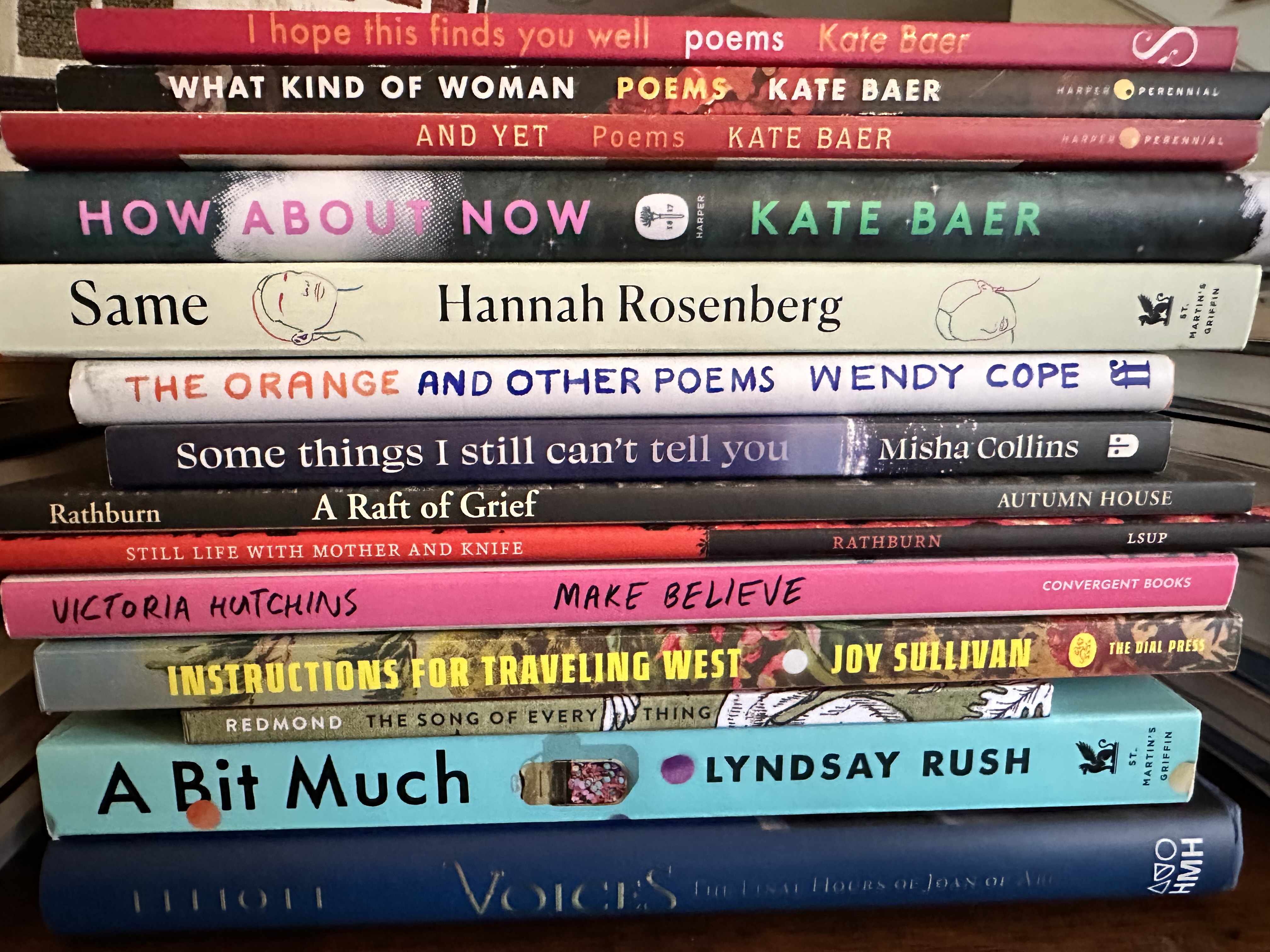
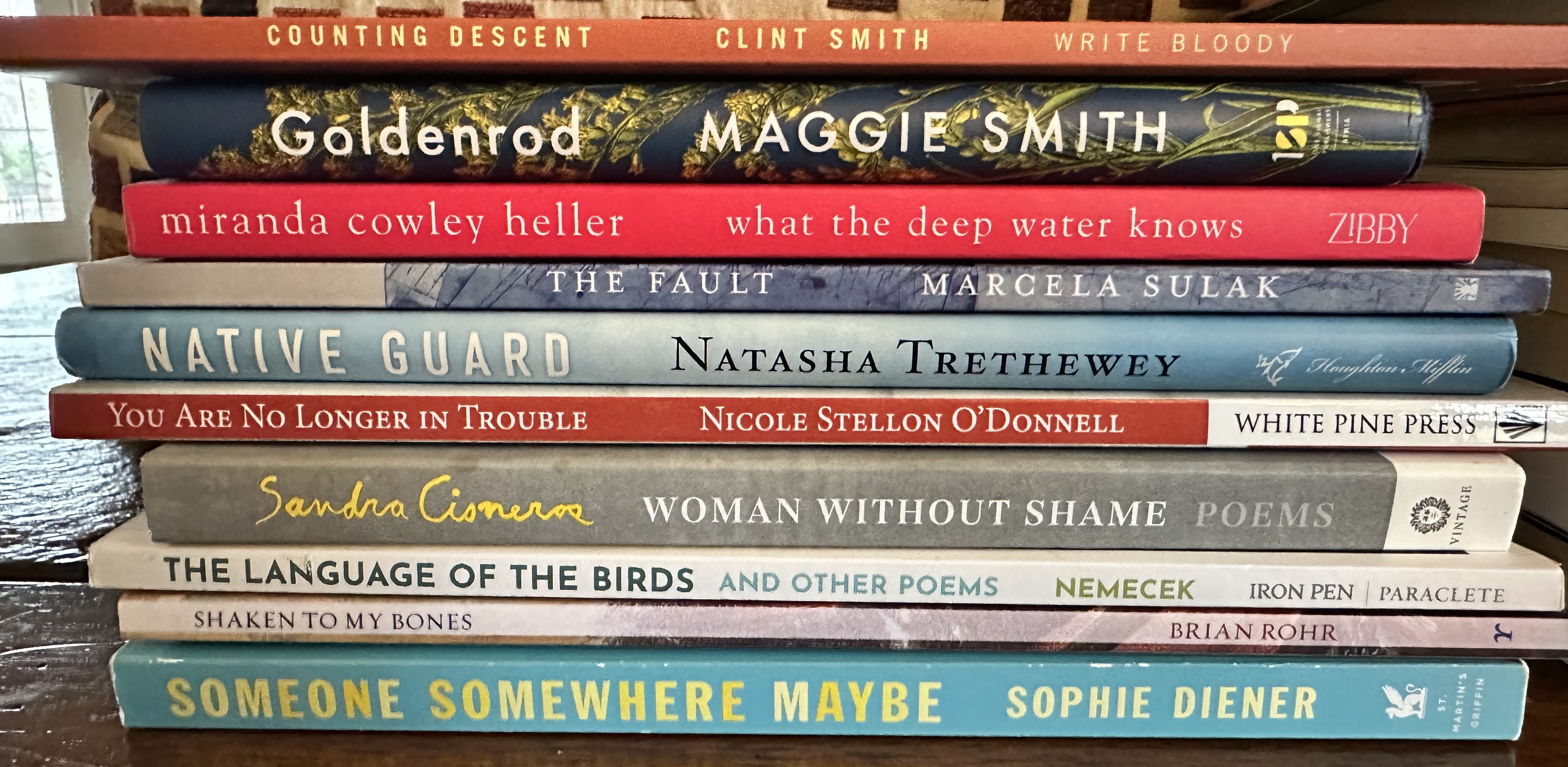
A sneak peek of the poets I’m celebrating Days 10-20

Celebrating Living Poets: Maggie Smith

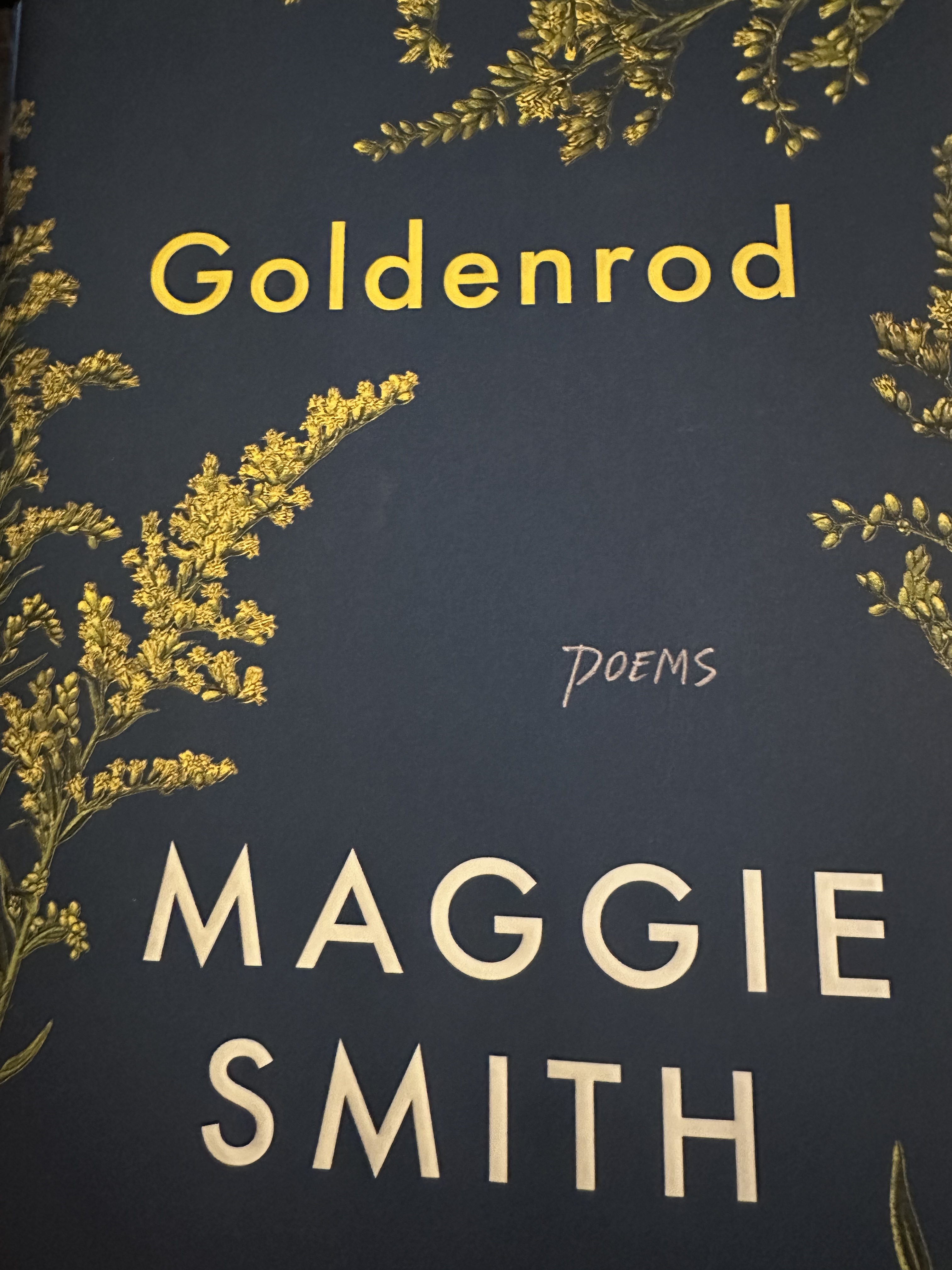
Welcome to Day 9 of the Slice of Life Challenge! I’m spending my month slicing about the living poets whose collections I enjoy reading – and using one of their collections to write Cento poetry, composed of existing lines reworked to form a new poem. Today, I’m sharing a Cento taken from the lines of poems in Maggie Smith’s collection entitled Goldenrod.

Maggie Smith appears in an interview here as a graduate of OSU.

Becoming

I am becoming my mother here

crossing a field, wading.

If you feel yourself receding, receding,

whatever your name is, you are with your own kind.

When are we most ourselves, and when the least?


My Cento poem features lines taken from these poems, in this order: Slipper, Threshold, Poem Beginning with a Retweet; Goldenrod; Ohio Cento.

Celebrating Living Poets: Sandra Cisneros

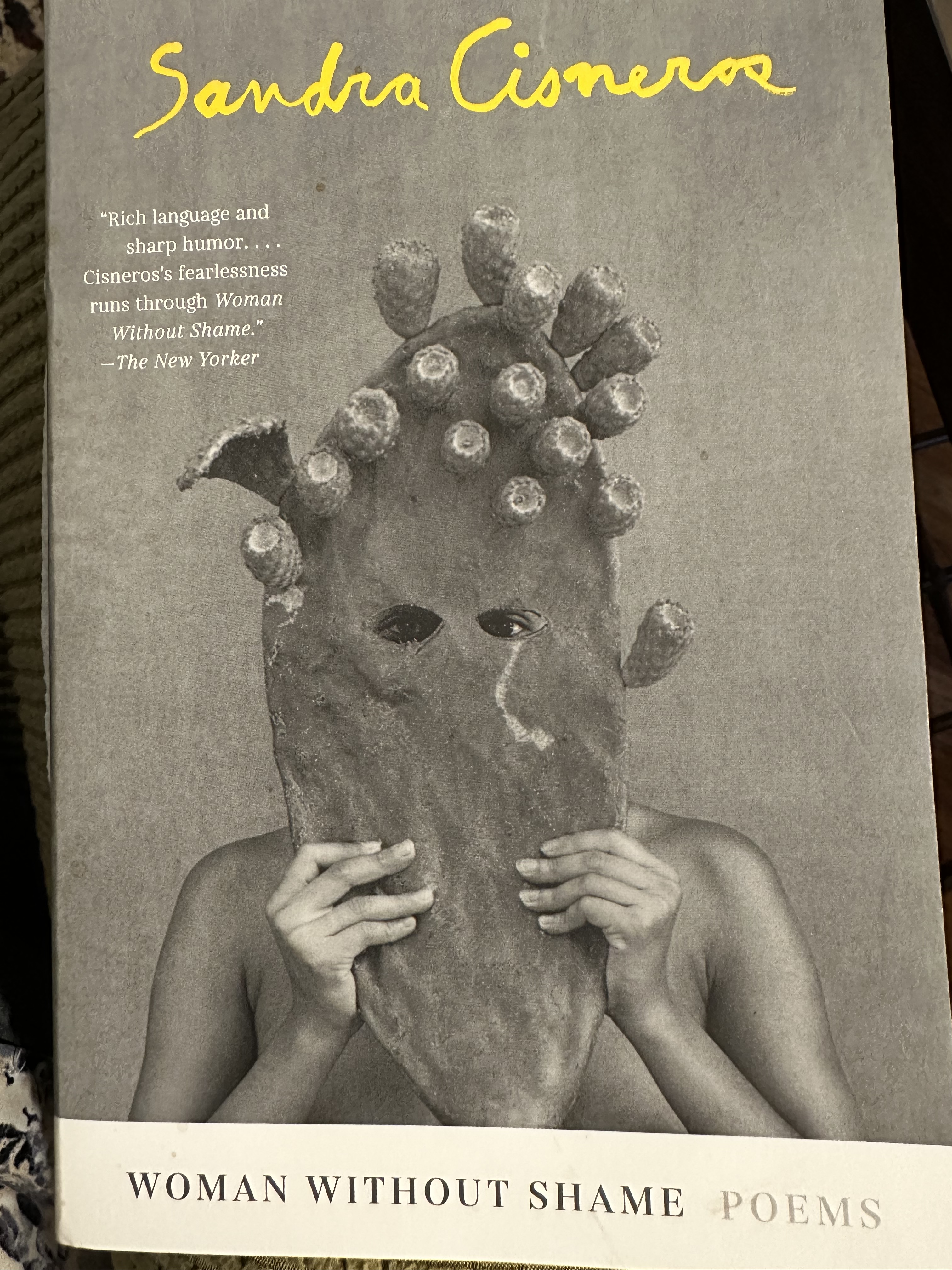
It’s the 4th day of the 19th Annual Slice of Life Challenge at Two Writing Teachers’ website, and I love starting my day with posts shared by writers across the globe who offer a glimpse into their daily lives. This month, I’m featuring a living poet each day and creating a Cento poem from the poems in their collections. You can read more about Cento poetry here. Today, I’m featuring Sandra Cisneros as an author I have long admired for her short stories. She’s also a poet! You can read more about Sandra Cisneros at her website. Here writing themes offer a glimpse of her cultural heritage. Im using Woman Without Shame to inspire a cento.

I’m adding an additional step-by-step photo process to my post today, since a couple of readers reached out wanting to know more about my process for writing Cento poems – and teaching students to write them. I’ll share in photos why even the most reluctant writer in your class might catch a case of poetry fever – without ever lifting a pencil.

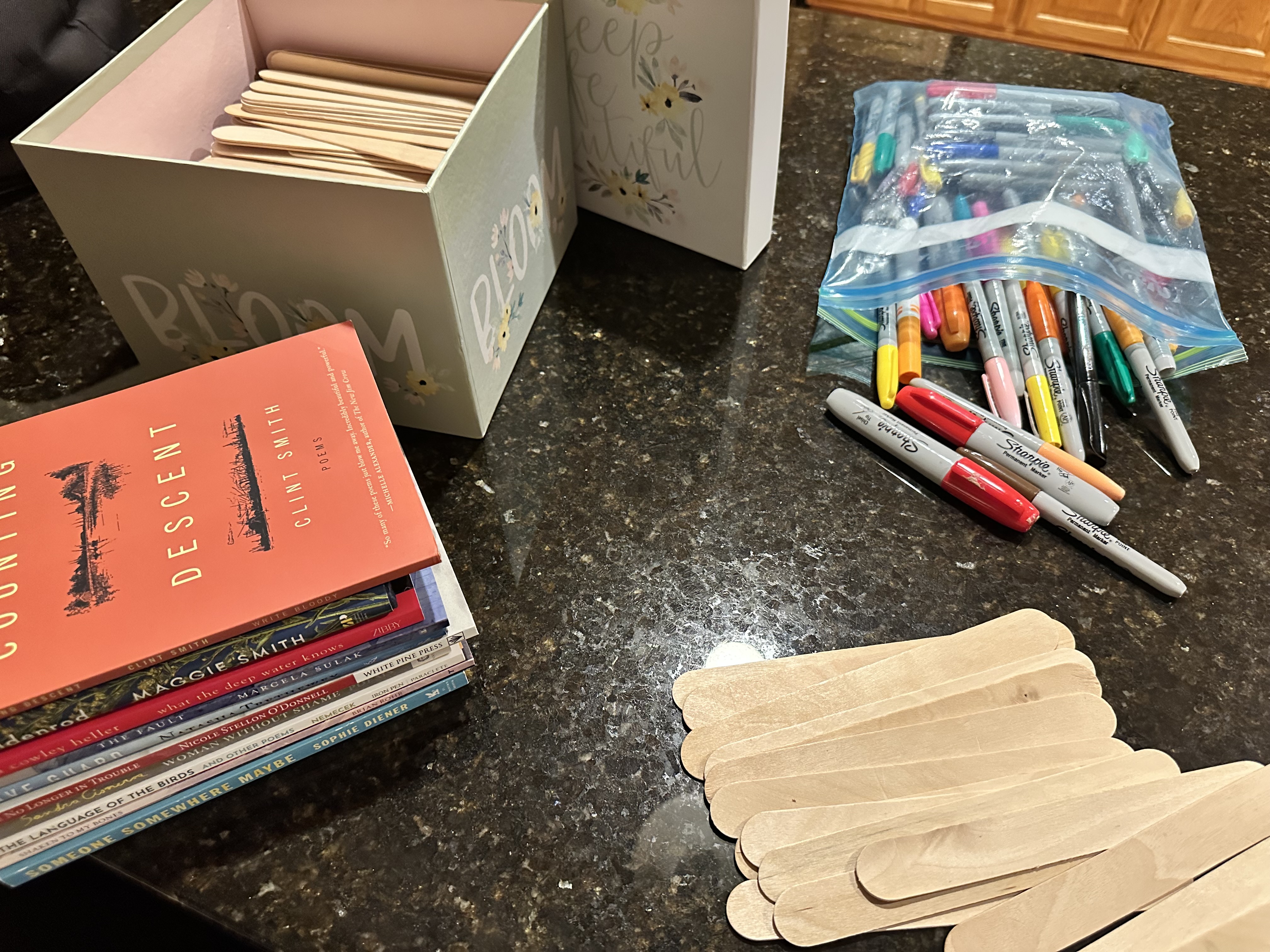
Start with a favorite poetry book – or a stack of them.. Today, I used this one.

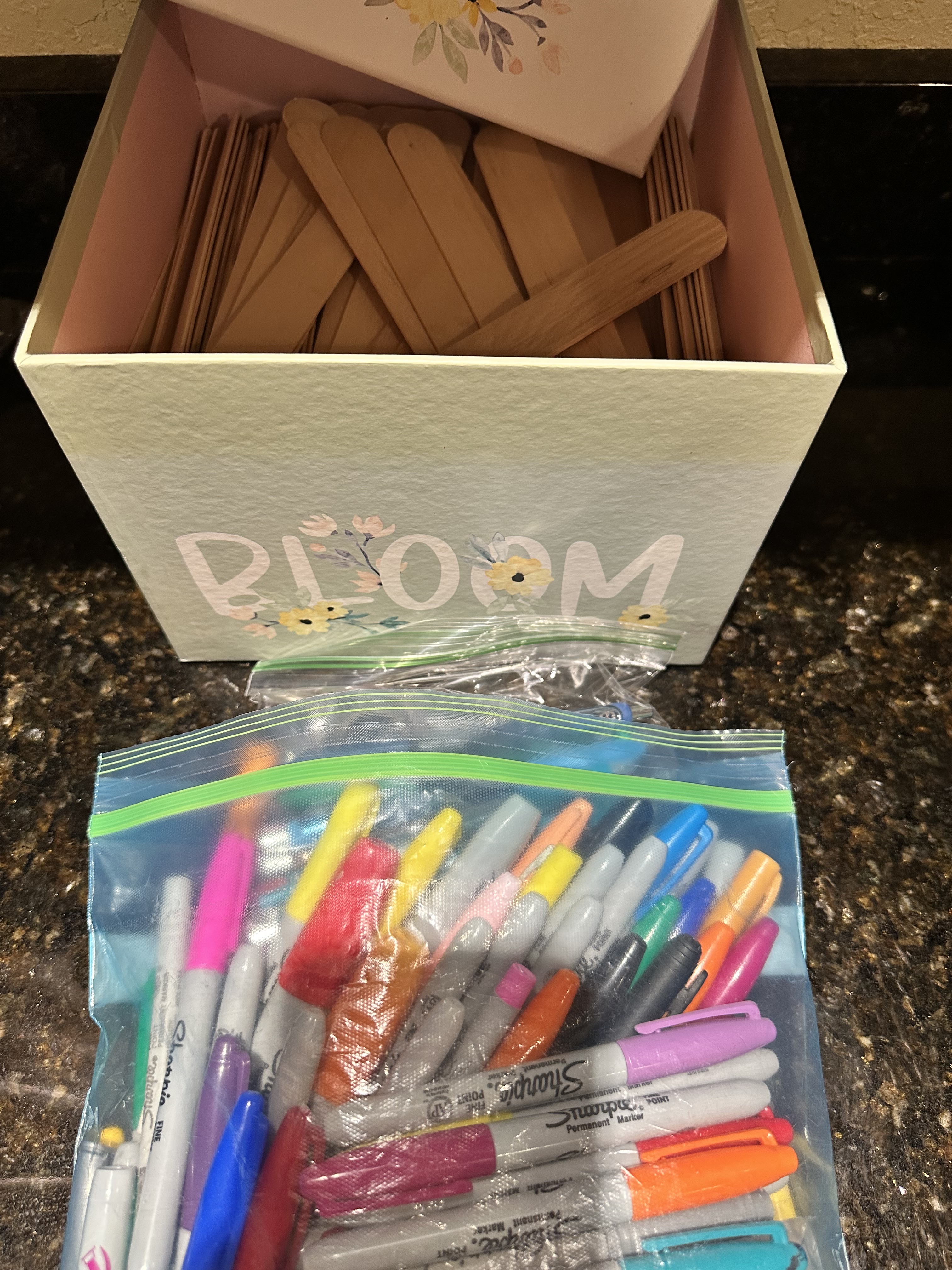
Next, gather some blank tongue depressors and a variety of Sharpie markers.

At this point, it’s not too late to turn back. This kind of poetry is highly contagious, and once it settles into your soul, you can’t escape.

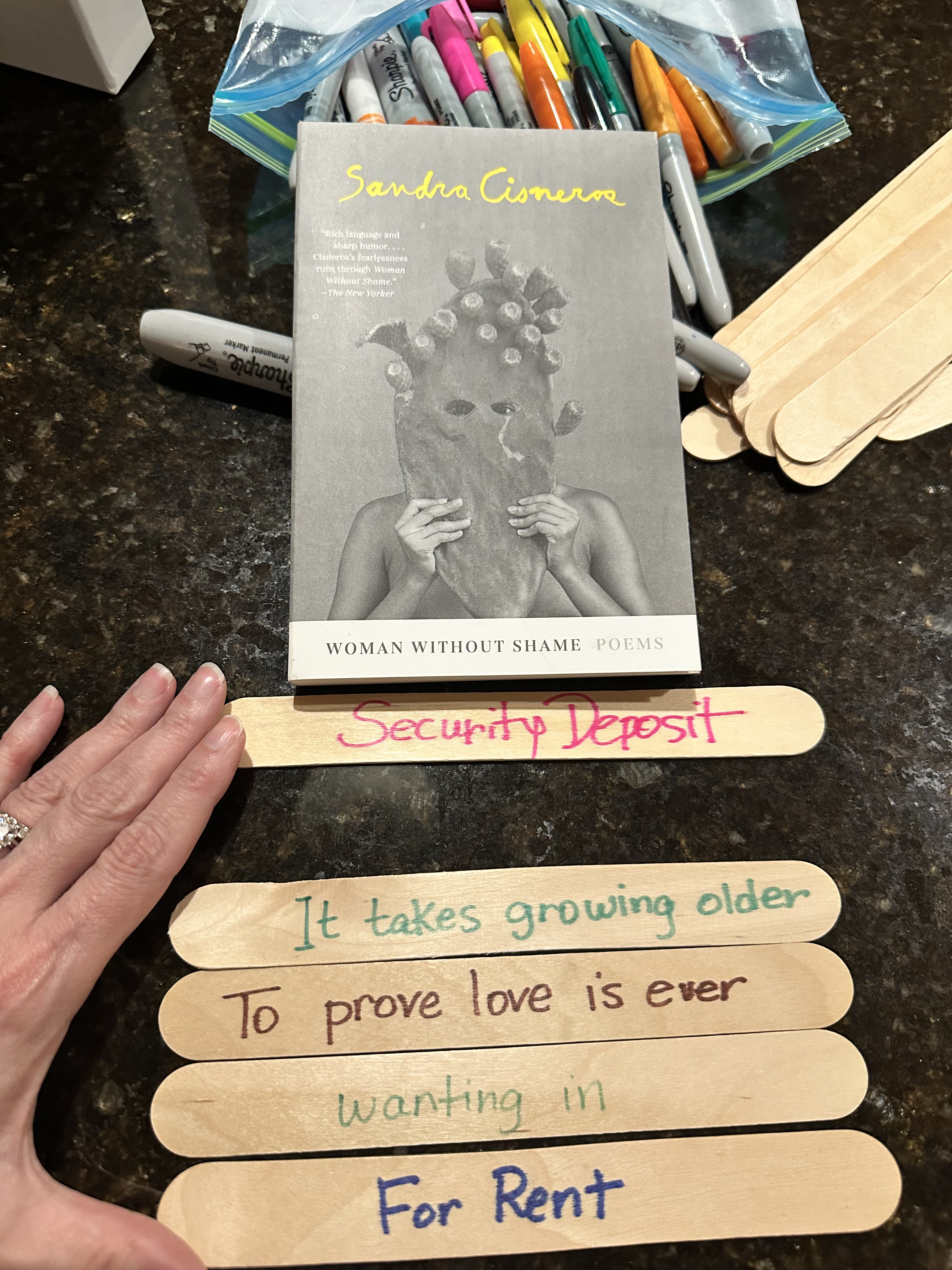
But now that you have come this far, begin choosing favorite or random lines of poetry and writing the line on one side of the tongue depressor and the title of the poem and the poet’s name on the other.

Once you have a bank of lines, arrange them and rearrange them until you find the sweet spot of the poem the way you like it. Moving the sticks around, you’ll see how just one move changes everything – like a game of chess. But once you have it, you’ll know. At that point, add a title. In the illustration above, I titled mine “Security Deposit.”

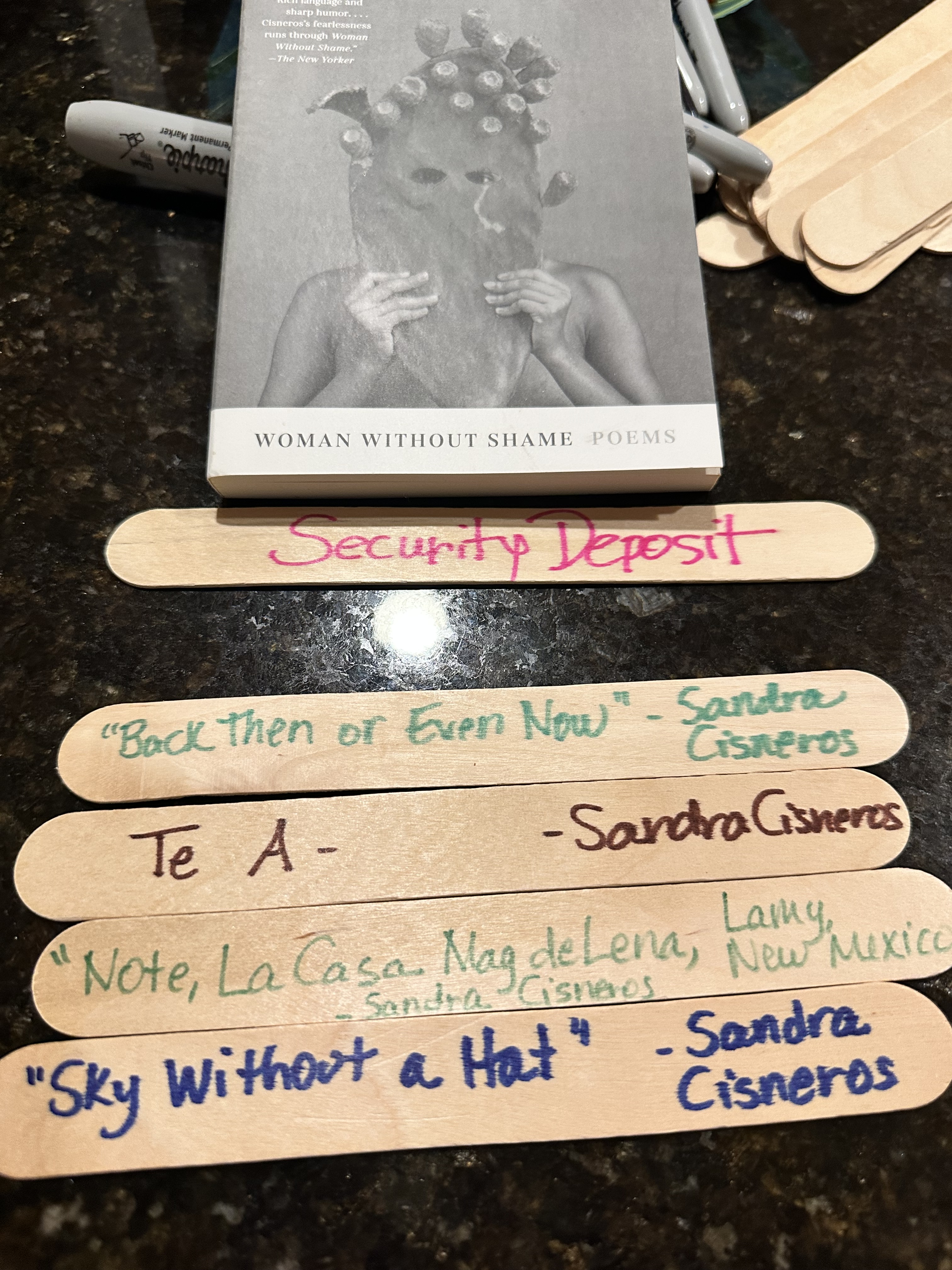
Take a photo of the lines, and then – – very important – – flip them in order from top to bottom so that the poet is credited and the line order is preserved by poem title. Take a photo of the back, too, emphasizing to students that this credits the original poet.

If you don’t have tongue depressors, you can use strips of paper or cardstock. Or just write it out, like this:

Security Deposit

It takes growing older

To prove love is ever

wanting in

For Rent.

My Cento is taken from lines in these poems, in this order: Back Then or Even Now; Te A-; Note, La Casa Mag de lena, Lamy, New Mex; Sky Without a Hat.

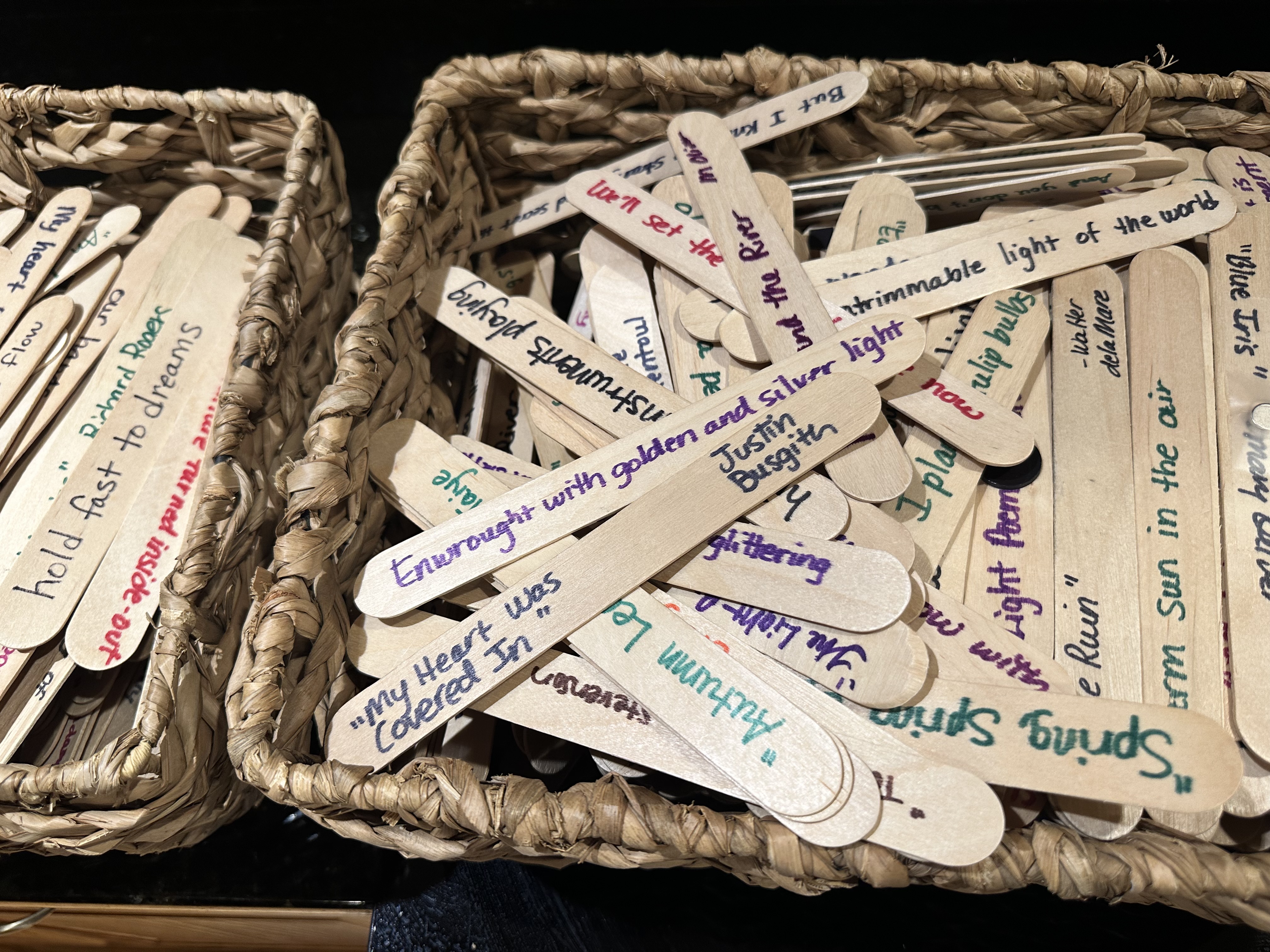
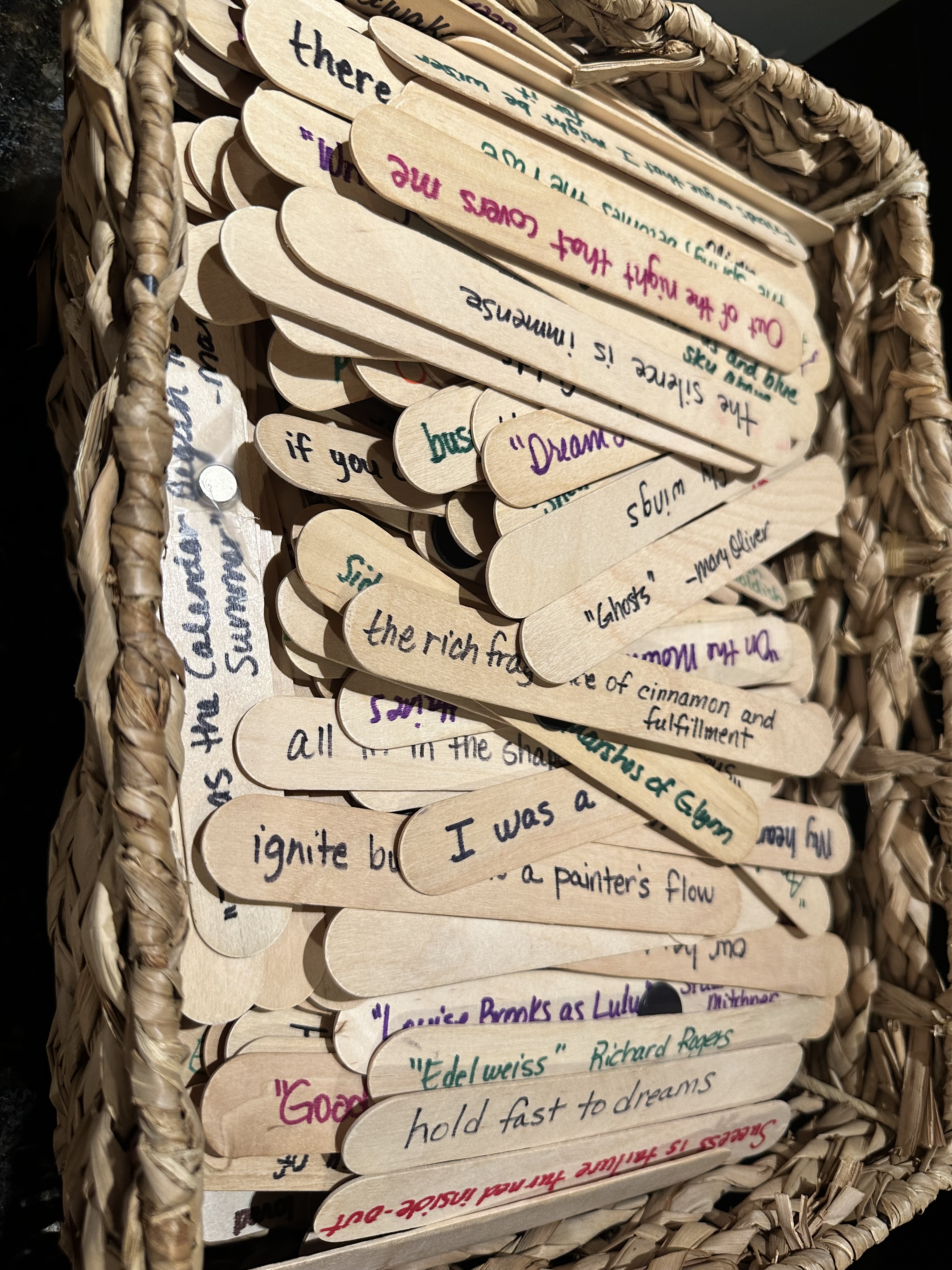
Once the contagion has set in, you’ll soon have baskets and baskets of poetry lines. You may even decide to put magnets on the backs of them so students can use cookie sheets or magnetic boards as pop-up poetry stations. You might even find that you create collections to organize by theme of units or poets of a particular era. The possibilities are endless. Don’t be surprised if students themselves start checking out poetry books and asking to add lines to the bank of sticks. You may want to keep a healthy stock of supplies – because this will grow and grow and grow until you have a Poetry Wonderland of lines growing like kudzu vines!

Students will beg you to let them write poetry, and you can create a community Padlet for them to upload their poems by scanning a QR code to upload pictures of their poems in sticks.

They will do this because they are now poets who can’t wait to share their creations.

A sneak peek of the poets featured the first ten days of March