Today is one of those overcast, drizzly Saturday mornings when dogs who don’t like to get their feet wet balk, then reluctantly tiptoe like entitled snobs out to greet the grass with morning tinkles as the droplets off the roof at the corner of the eave beat down like a hand drum onto the upturned blue bucket beneath. It’s the kind of day an introverted reader relishes from a too-soft channel quilted chair by a window, next to the dim lamplight of gray morning, the kind of day those Cat in the Hat kids could only endure until the cat showed up with his two Things. But no cat with surprises is needed here, not today in all the golden silence of a rainy morning while the coffee is hot and Small Things Like These by Claire Keegan and Whistler by Ann Patchett await and the dogs’ feet have dried enough to curl up in the chair in a room recently decorated to welcome autumn with cozy throws, a menagerie of mums, and a blend of buttery pumpkin potpourri emanating from the table, blending with the scent of coffee poured from the piping glass pot into a shiny ceramic mug, the clinking of the stirring of a spoon heralding the morning in the same way church chimes of Rockport, Massachusetts echo all through the town to remind us of our daily blessings. Pour a cup and come read with me.
Retirement officially began for me August 1st, and each second and fourth Friday of every month, I’m reflecting on the first year of retirement and what it’s like in this new chapter of life. These have become some of my favorite blog posts of the month because they become a lot like what I believe Sarah Ban Breathnach was driving at in her bookSimple Abundance: A Daybook of Comfort and Joy. Focusing on the gratitude and appreciation for a new phase of life by looking at all the joy it brings is a balm for the soul. At the beginning of my first week off, I used a green spiral notebook to make a list of all the things I wanted to do — something enjoyable each week, blending in some new hobbies and routines as well. Friends and family who are still working seemed genuinely curious about what I would do with each day, and that’s what gave me the idea to plan and reflect on the course of my days and adventures. I remember my late father’s words, on retirement: You don’t retire FROM something, you retire TO something, and you’ll be busier than you’ve ever been. He was right, but the busy part is optional, like changing out of loungewear and wearing real clothes on most days.
Here are some things I’ve enjoyed in my first official six weeks of retirement. I’m keeping a running list, adding to the previous post each time I pause to reflect.
And picking up where I left off at the end of August, here is how September has begun as I make my way down my list of 100 Things:
19. Re-vamping the Reading Room – I have breathed life back into my reading room and updated it by replacing some shelving and adding a few other personal touches to make it what my husband calls my own unique version of a she-shed. No matter what all is on the list of things I’m doing in retirement, the reading chair is a place I sit each day to adjust my sails. I have a Goodreads personal goal of 60 books this year – – (it’s fitting….it’s the year of 60)…..and I’m trying to get on track to accomplish the goal. By the end of this day, I will have read 31 books, leaving me 10 books behind. I’ve got some reading to do, and Mad Mabel by Sally Hepworth wins the prize for September! My older daughter gave me a personalized book count tracker for Mother’s Day to go in my reading room, and it keeps me ever-aware of having the next book ready.
My Book Count Update in the reading room
20. Office Cleanout – Some of the furniture I brought back from Dad’s house on St. Simons had been occupying space without real purpose or function until I could think it all through, and one is an antique desk that my brother convinced me I need – – and he was right. I’m so glad I let him persuade me to bring it home. As I find the places for each treasure, I am rethinking the best location. And in rethinking the best location, I discover that other things need to shift. And as other things need to shift, I’m cleaning up and cleaning out. I’m reminded of the children’s book If You Give a Mouse A Cookie by Laura Numeroff…..the cycles of how things take on a circular pattern. The office was one of those spaces this month, and already it feels like the air is lighter in that room.
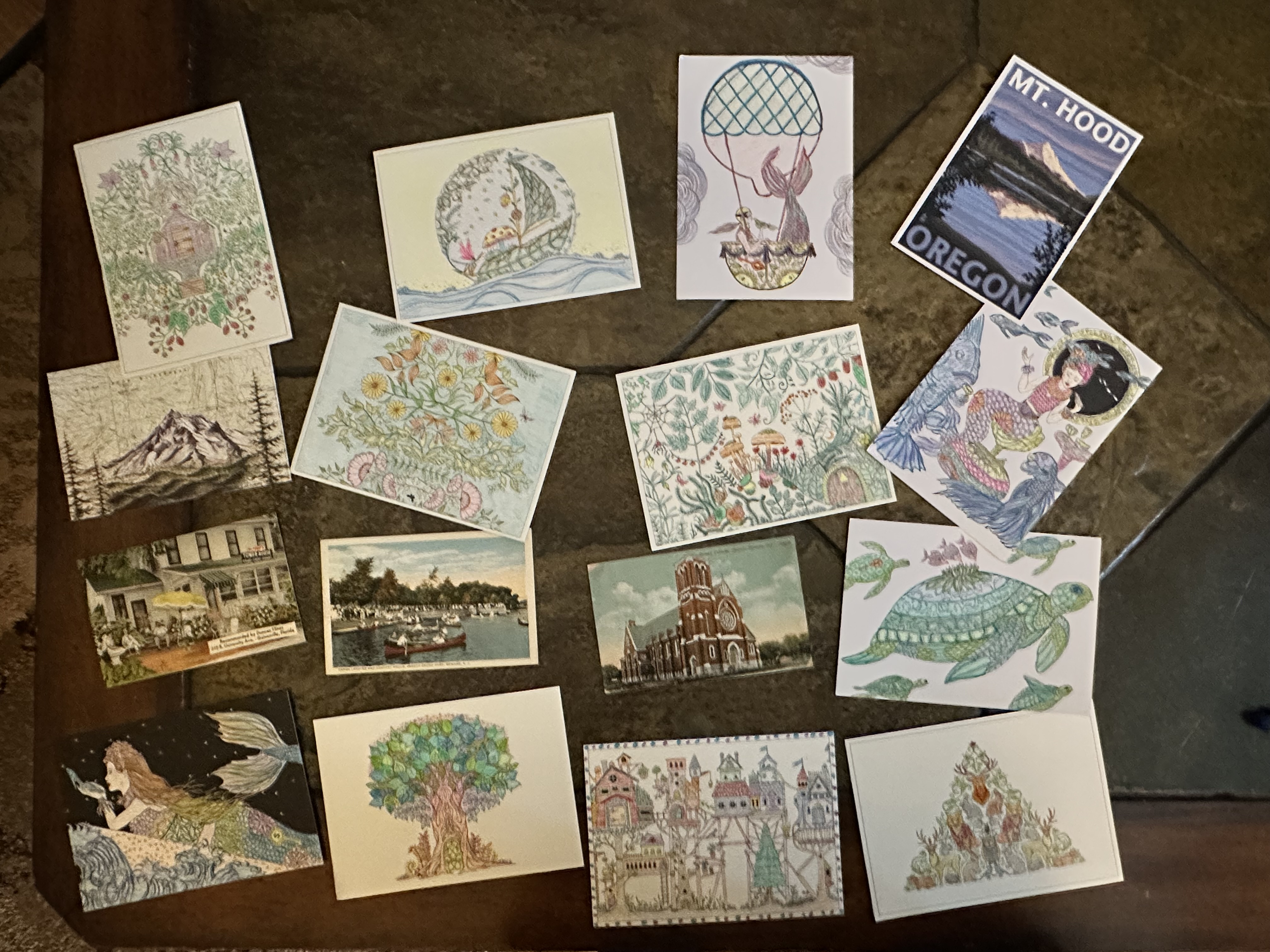
21. Monthly Small Postcard Group – I loved the Cascadia Postcard Poetry Fest so much that I’ve already registered for 2027. Meanwhile, I’ve joined a small-scale monthly postcard group with some of my writing friends after I was invited by Denise Krebs of Yucca Valley, California. Here is the link to more information if you are interested – you can email Barbara Robinette and jump into the October round. Some of the postcards I’ve received with poems have literally taken my breath away with their beauty and depth. The artwork of these artists has inspired me to try other forms of art on my own postcards, using theirs as inspiration. I have a lonnnnng way to go, but what joy creativity brings, no matter the lack of artistic talent inside.
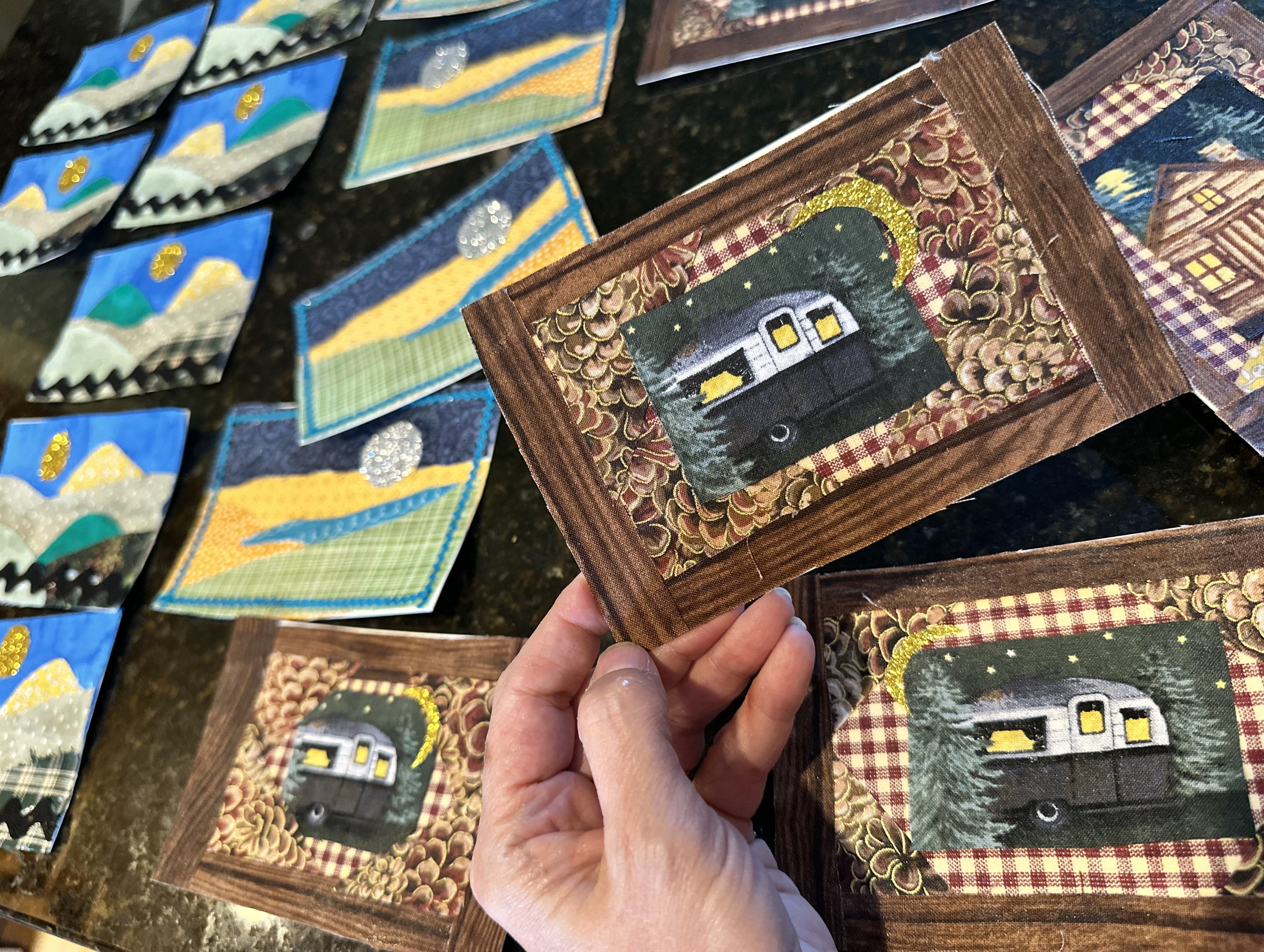
22. Watercolor Postcards – I created fabric postcards for Postcard Poetry Fest in August, and I have also picked up the paintbrush for watercolor postcards. My friend Glenda Funk of Chubbuck, Iowa recently shared Alex Kincaid’s Flower of the Month watercolor link, and while I will never be as talented as Glenda, I’m inspired to try the flowers. I also use the postcards that arrive to try painting similar ones, in the same way I used the fabric postcards to try that medium as well.
I’ll have to work to be abstract, and my sun has too many rays….I’ll keep trying
23. Labor Day Camping at F. D. Roosevelt State Park in Pine Mountain, Georgia – It was just too hot to be outside much, so we did some reading and movie watching (Secondhand Lions and Arthur the King). We caught up on the recent episodes of our favorite YouTubers, Mark and Tricia Leach of Keep Your Daydream. Before leaving, we packed up the dogs, threw in our loungewear and a couple of outfits into our new “suitcases” and shopped for groceries on the way, grateful we don’t overthink the camping like we used to do when we strung up lights and used an outdoor rug. And those “suitcases?” They’re the 99 cent TJ Maxx bags that hold as much as a standard airplane carryon and are flexible enough to slide right into a wardrobe cabinet in the camper, without the bulk of a big bag. My friend Christian Jackson shared this trick. So now I have a new set of four seasonal suitcases. Who knew???
Under $1 Seasonal Suitcases from TJ Maxx
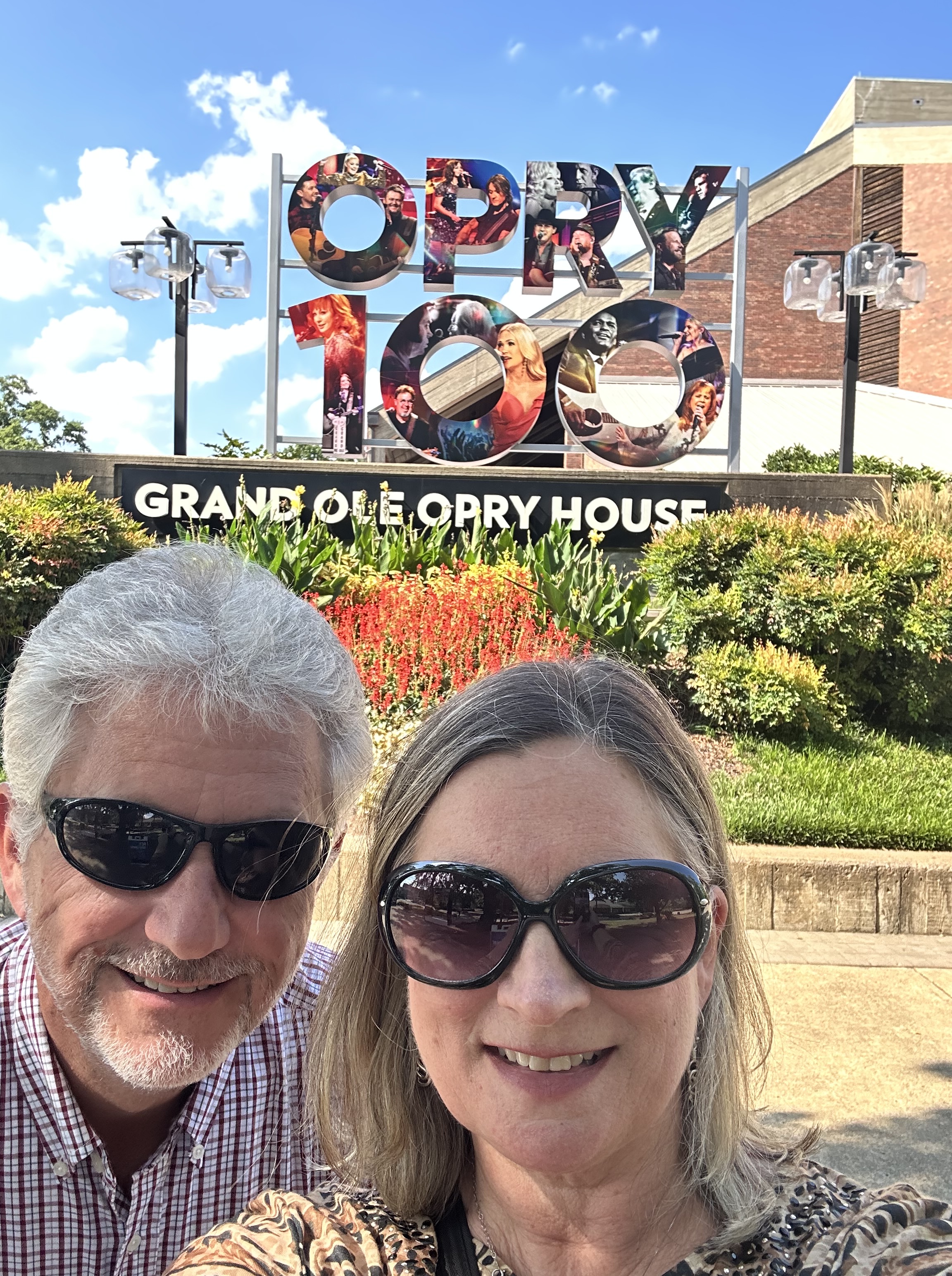
24. Dolly Parton Tribute at the Grand Ole Opry in Nashville, Tennessee – We love to go to the Grand Ole Opry from time to time, but we’d never been for a tribute or celebration to see the way all the singers come out onstage at the end. I’d seen recordings, but we finally got to be there for a momentous tribute in person. We somehow managed to score two tickets in the nosebleed section, deciding that just being there would still be a treat, even though we’d be watching on a screen with a far-off view of the stage from our high-altitude seats. There’s not a bad seat in the Opry, we’ve found, even though we were nowhere near our favorite Section 17. We took small, high-powered binoculars and sang along, breathing the air of that amazing sold-out evening and sharing stories with people all around us. I got to sit next to an 84 year old from Mississippi who had come to Opryland as a child each year and continued bringing her son throughout his childhood. She’d lost her husband five years ago, and when her son heard about the tribute, he snapped up three tickets and jumped in his plane with his new pilot’s license and flew his wife and mother to see the show. I got to see two shows that night: the tribute to Dolly, and the joy spilling out in tears on the face of that lady next to me. We heard the story that evening from one of the performers that a yellow butterfly had been flitting about the Opry, and I found a video of it here. I like to think Dolly was right there on the stage, too, all evening, soaking in the love everyone had for her.
In Opry Mills Mall, my racecar driving husband found that Cobra he’s been wanting…..
Outside the Grand Ole Opry on the afternoon of the Dolly Parton Tribute
25. September Stafford Challenge Small Group – The first Monday of each month, my small group of Stafford Challenge writers meets to talk about what we’re writing and to catch up. We share what we’re working on, we share prompts for writing, and we enjoy time together from our homes in California, Iowa, Idaho, and Georgia for one glorious hour. This month, we each read a poem we’d written and shared some of our favorite resources, including the Art of Flash Institute, Audrey Gidman’s prompts, Joy Sullivan’s Necessary SaltSubstack, and Ten Poetry Notebooks of Robin Farr. Barb Edler also shared a favorite publication, Moss Piglet.
26. Stafford Challenge Writing Workshop – I attended a workshop led by Melissa Helton of the Hindman Settlement School, and it was fabulous. She shared poems of Appalachia and gave us writing prompts to lead us in the writing of four poems during this time. My favorite was Requiem for a Dollar Store Christmas Bear by Willie Carver, which we read prior to writing our own poems about precious lost childhood toys. Milk (scroll down to page 4 or so) by Diane Fisher led us to write about a time we broke a rule to do the right thing. Soon the Red Wolf by Annie Woodford inspired us to write poems about wildlife or extinct species in our own areas, and Affrilachia by Frank Walker had us writing about the intersection of two unexpected events or circumstances. Melissa Helton is one who is able to reach into a writer and awaken the muse.
27. Mahjongg Group Formation – Now that my former colleague and dear friend Christian Jackson and I have taken lessons in Mahjong, we have branched out into the world of group play. We’re finding our best fit, and we’ve learned that even the best players who are in leagues and tournaments are no more likely to win or lose at the table, because Mahjong is one of those games that requires luck AND skill, and good decision making. We’re fending off cognitive decline, too, according to recent scientific research that shows the cognitive exertion needed for the game keeps the brain cells sharp.
We like to take pictures of our winning Mahjongg racks so we can track our wins and know our favorite neighborhoods and streets on our 2026 National Mahjong League cards
28. Birthday Pedicure with my Sister-In Law – It’s fun going for birthday pedicures during the day and being able to walk right up to a chair without the wait. My sister-in-law Bethany usually schedules our appointments at our favorite nail salon, and we enjoy using the time in neighboring chairs to catch up and get our legs massaged and toes painted. Unfortunately, her best friend’s father died and she was headed out of town to the funeral on her birthday, but not before we sat and chose Plum Wine (her) and Iceland (me) paint colors as colors for our feet to welcome autumn. We missed our bookstore outing to buy each other a birthday book, so I found a couple of gifts from Natural Life and got us matching mugs and socks.
Coffee mugs and socks if not books……all the cozy things
29. Lunch with Friends – From Angelo’s Italian corner restaurant and Bank Street Cafe in downtown Griffin to Mangia on Main in Barnesville, lunch with friends is one of my favorite retirement indulgences. I recently caught up with former colleague Jayne Midura, who gave me a fabulous retirement t-shirt. We talked dog rescue and enjoyed catching up. She is, sadly, in the same place I was during May when I was facing the grief of letting go of an aging dog too tired and sick to carry on. Prayers for Jayne in these coming days. It’s heart wrenching to say goodbye to our fur babies.
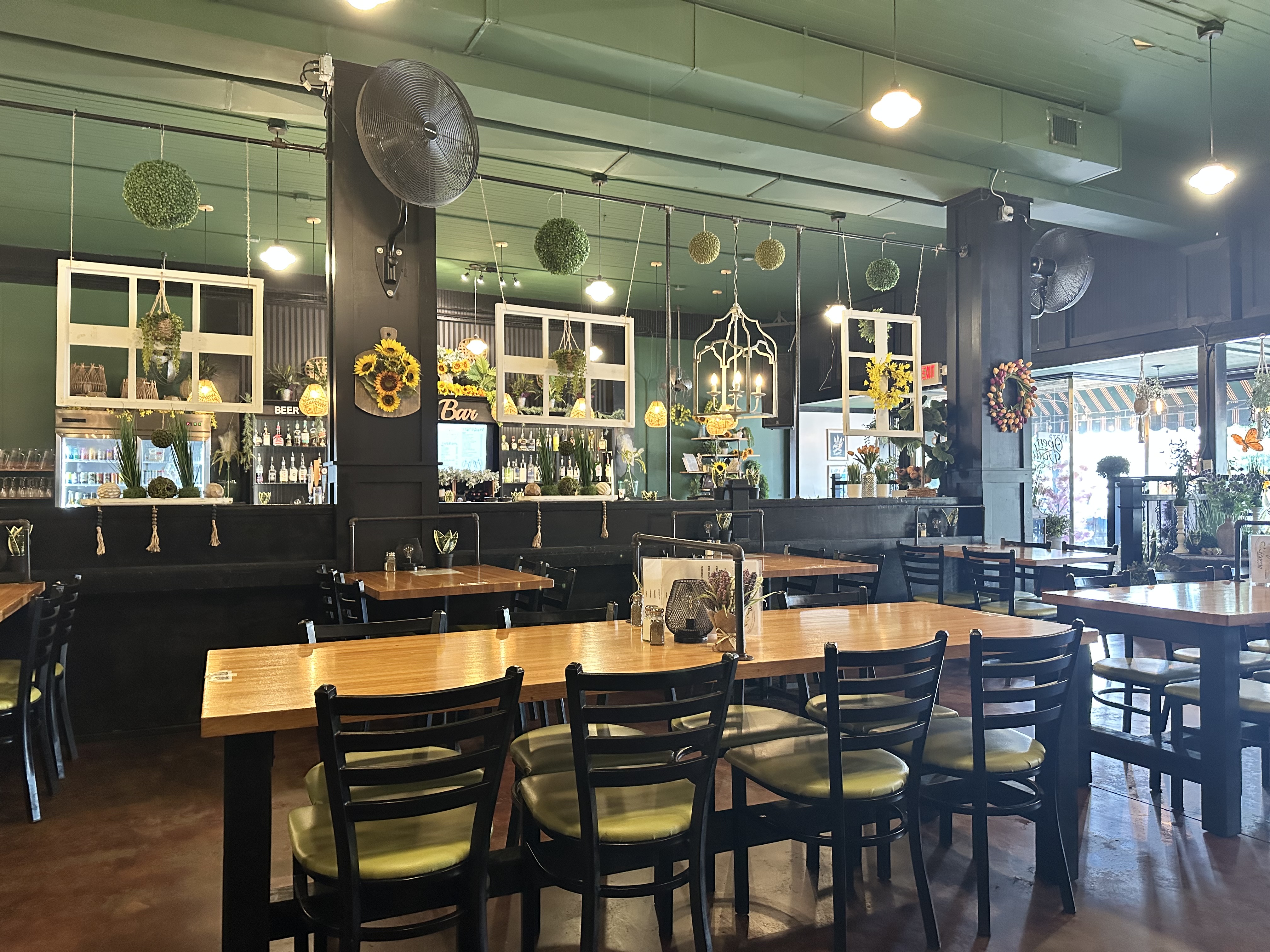
Mangia! on Main in Barnesville, Georgia
Over the next two weeks, we’ve planned to take a birthday weekend getaway with Briar’s brother and his wife to North Georgia to stay in a cabin on a creek and have cake, and also camp in Vogel State Park in Blairsville, Georgia. I’ll share a virtual poetry reading of my poem Timestamp Tanka for the Art on the Trail celebration on Sunday as part of the Time in the Landscape series this year in Southborough, Massachusetts. My poem was selected to accompany the work Phases of the Moon for this year’s chapbook, and I couldn’t be more excited!
I enjoy writing poetry using art as inspiration, and that’s what Art on the Trails invited poets to do for their 10th Annual event in Southborough, Massachusetts. I read about the process and learned that once the artists were selected and their works installed along the trail, organizers invited poets to write ekphrastic poems inspired by the art, and then a poetry juror and the artist would select two poems for each piece of artwork to be published in this year’s chapbook.
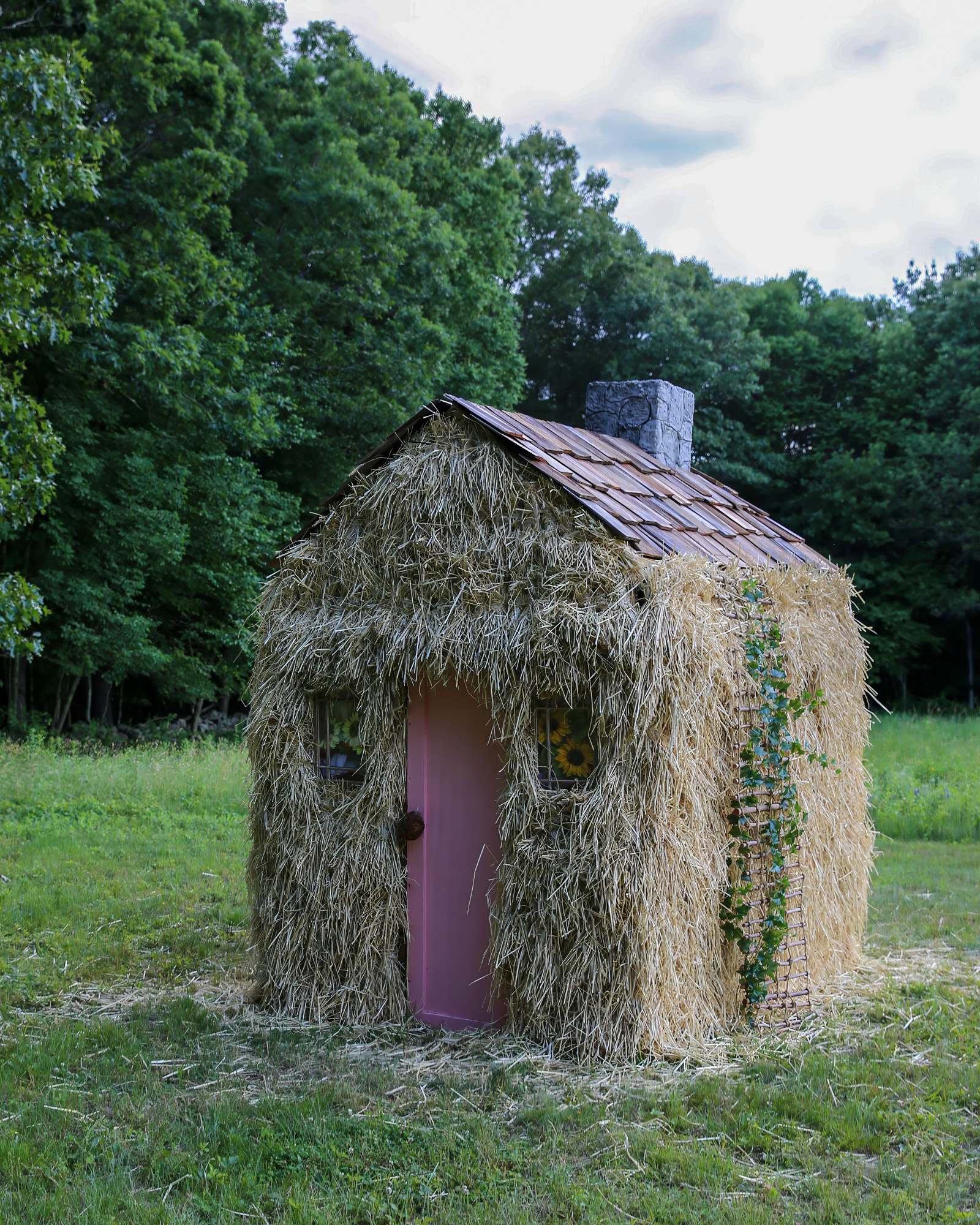
That’s the sort of writing that makes me happy, so I decided to accept the invitation. I scrolled through the works of art and selected four that were particularly inspiring. The House of Straw took me back to my favorite childhood storybook days, and The Three Little Pigs came to mind, of course. I wrote a tanka with a variation of a borrowed line from Padraic Colum’s “An Old Woman of the Roads” in response to Pam Bonaguide’s work House of Straw as part of this year’s Time in the Landscape theme.
You can hear the audio clip of my poem here:
This is one of four poems that I submitted for the works of art along the trail, but this one was not selected for publication. I’ll share the poem that the artist and poetry juror selected on Sunday, when the gathering of artists and poets will happen beside each work of trail art in Southborough during a progressive trail walk. Though I will not be able to be there in person for the closing event this year, I’m celebrating in spirit as the week leads up to the closing event on Sunday.
For today, may we all know our own safe spaces. As I see it, there are no safer spaces than the pages of books …..and nature trails with art, poetry, and fireflies.
And God said, “Let there be lights in the expanse of the heavens to separate the day from the night. And let them be for signs and for seasons, and for days and years….
I think of things having an appointed time in the rhythm of life when I consider the verses in Ecclesiastes that are so iconic to seasons and turning.
For everything there is a season, and a time for every matter under heaven:
Rhythms and cycles play an important role in balance and harmony of living. Having a rhythm to each day, each week, each month is an important part of life, whether we are working or retired – rhythms are like schedules, habits, and time management. One of the first things I had to do in retirement was create new routines. A new prayer time topped my list, since my prayer chamber used to be my drive in to work and now that I’m not going there anymore, I needed a new designated time that would be consistent. I chose coffee time since there is a rhythm to that regularity and, to some degree, a consistent morning time frame – – and, like coffee, I need prayer at the top of the day. I have discovered in this new routine that I like to see steam rising from my mug as I say prayers, as if what is coming from my lips is swirling in a steam mist upwards to heaven in the quiet, relaxed rhythms of the morning.
HELLO! and HELP!
someone stranded
on a desert island
sends smoke signals
I send prayers
from the porch
fresh from my lips
vapors rising
to heaven
A special thanks to Ramona for hosting this month and inspiring us to think of the rhythms in our spiritual lives.
I enjoy making fabric postcards for the Poetry Postcard Fest
Ahhh, the month of the Autumnal Equinox when we officially welcome fall and the cooler temperatures begin to tease us. Hobby Lobby has been tempting us for months to put out all the colors and scents, and grocery stores have been selling pumpkin spice everything for weeks on end, but this month assures us we can accept all those invitations to put the leafy wreath on the front door and invite fall into our homes, along our stair rails, and into our hearts. We can start fluffing our sweatshirts and get out our boots. We can change our summer Birkenstocks for the fall and winter pairs.
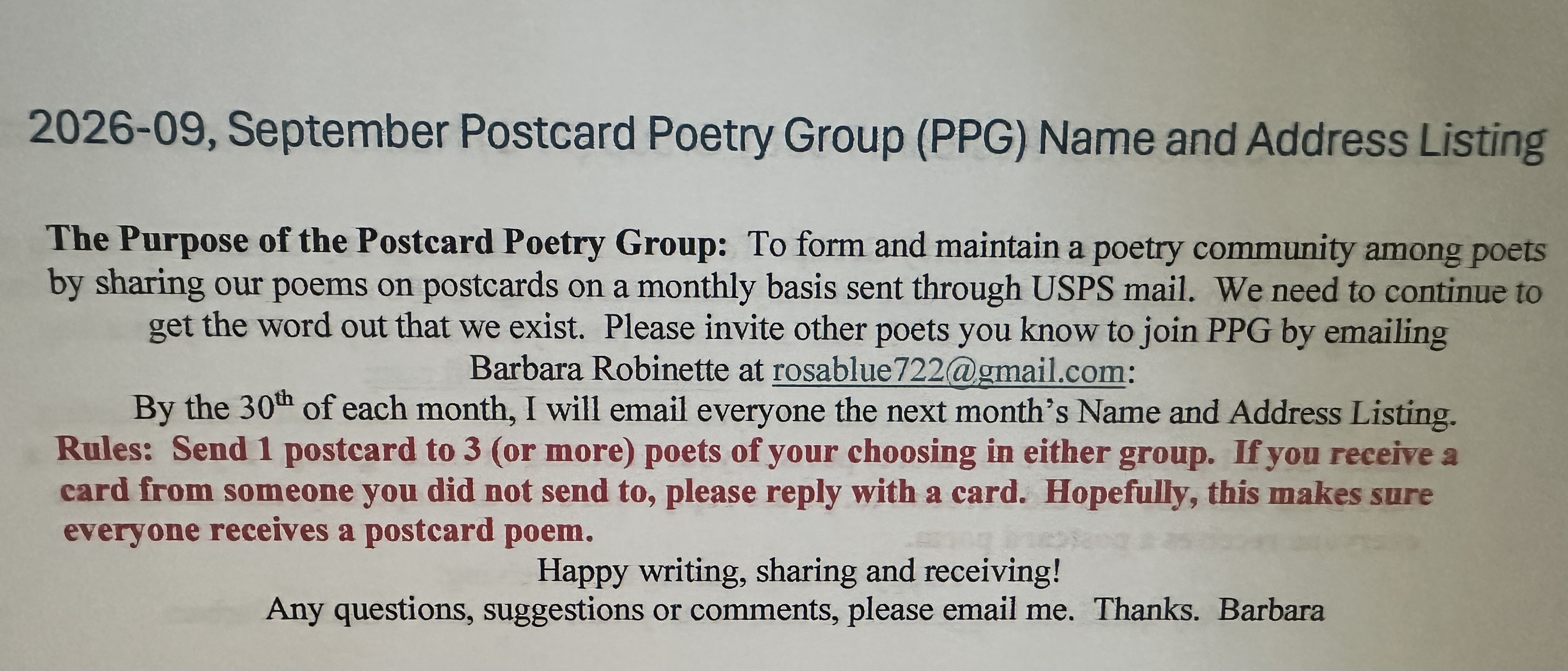
With all the cool weather ahead, what could be a better way to celebrate this favorite season than by focusing on the art and beauty that surrounds us? This month, I’m participating in another poetry postcard exchange that may interest other poets as well. Here is the information about how those who’d like to participate can jump onboard for the next round starting in October (see the photo below). This one is free, unlike Cascadia, and it’s fun to send out poems and receive postcards from all over the world. It’s a great opportunity to create small works of art on postcards to share with others.
Simply email Barbara Robinette at rosablue722@gmail.com for more information. Join the fun, and celebrate postcard poetry! And if you don’t want to join the postcard group but would still like a postcard with a poem, I’m happy to send you one! Just email your address to Kimjohnson66@gmail.com
Sometimes when I’m going somewhere, I pray for a parking space before I ever pull into the parking lot. Lord, show me the way to a space to park. I often quip that I must be doing something right when the Lord blesses me with a good one. And the other way around when He doesn’t.
Same is true of Thursday afternoon when I went on a mission to see if I could get tickets to the Dolly Parton tribute at the Grand Ole Opry in Nashville, Tennessee before they all sold out. I said a prayer and got two tickets. The kennel had space to board our four-legged sons, and there were hotel rooms available right across the street from the Opry, on Music City Drive and McGavock Pike.
I‘ve done something right.
And I’ll keep right on trying.
Thank you, Lord! Amen.
This day takes me back through the years of coming to the Grand Ole Opry. My husband’s former company was based in Nashville. He came up several times a year to meet with the team and get the company truck serviced, and each time he came I’d ask to ride along so we could go to the Opry. In those days, I was working on another degree and spent quiet days in the hotel with stronger wifi and more free coffee than my rural area offered while he went to work, and then he’d swing by and pick me up for dinner before the show. Or, if I finished working or needed a break, I was close enough to tarry over to Opry Mills Mall. It’s where I bought my first pair of Birkenstocks and where my older daughter worked at The Rainforest Cafe for years. (She had just moved to Antioch when the Christmas morning bomb exploded in the building right next to where they had lived in downtown Nashville. Ironically, the bomber had lived in Antioch. I was blessed that she was safe).
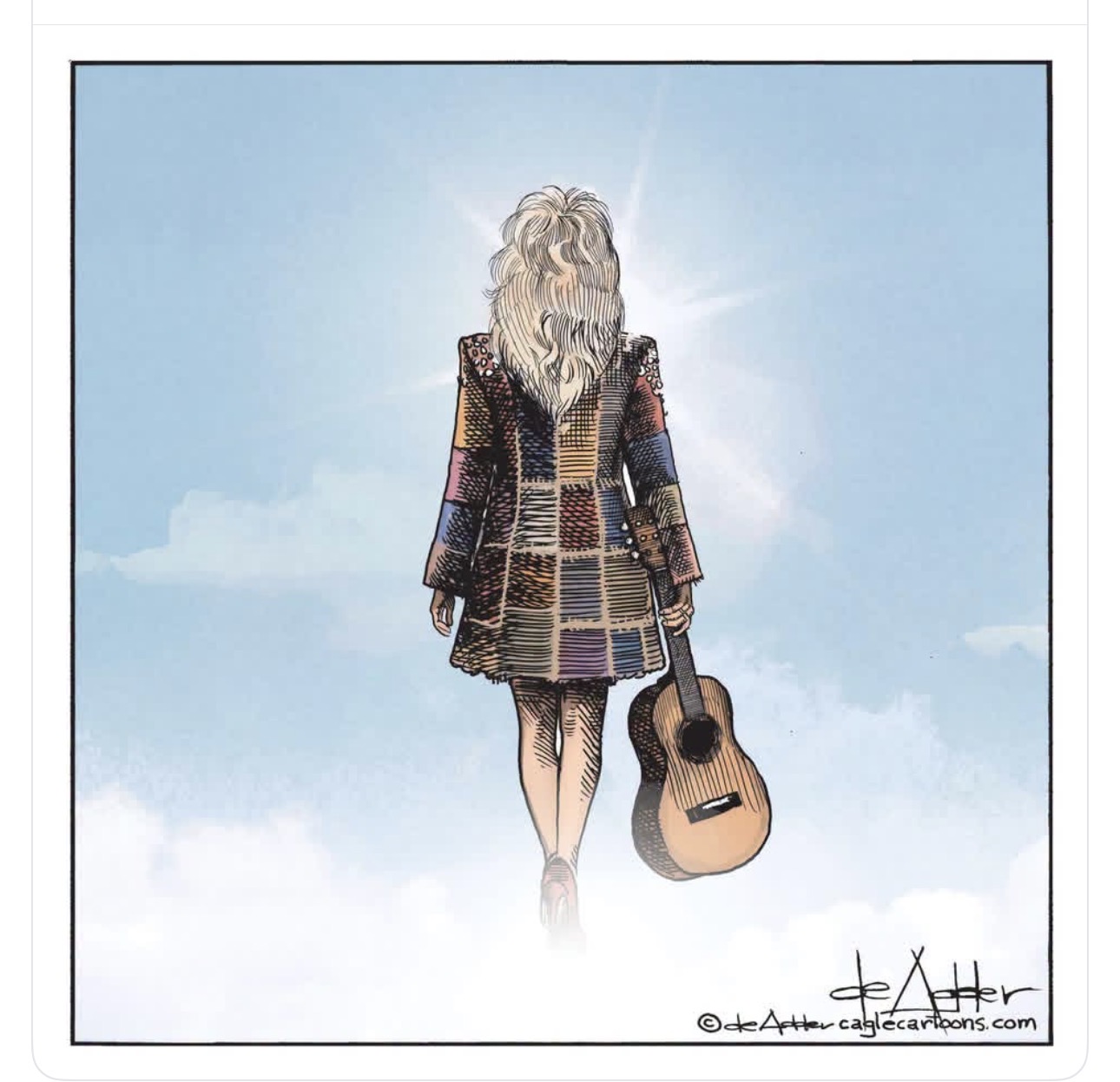
This visit to the Opry hits much differently. A legend, among the greatest humans who ever lived, gained her wings last week. She knew poverty, and she knew the rags of hard life before she ever knew the riches – which is quite literally depicted in her Coat of Many Colors and its triumphant story. She worked her way up with elbow grease and talent, blessing, and an almighty Godwink. And she has done more for Literacy in this area of the United States than anyone with her Imagination Library, inspired by her father’s inability to read and write and knowing that it would take someone with a big heart and deep pockets for some of the children of Appalachia to have a fighting chance to be literate.
I was listening to some audiobook previews to help one of my book club sisters choose a Dolly Parton book for October, and all the way up my husband and I listened to Dolly Parton, Songteller, a book about the stories of Dolly’s life and how certain moments became the inspiration for her songs. My husband was behind the wheel of the car but “along for the ride” on the audiobook, as he often is about books when we travel – and he is always a good sport about it, too. But something captured him about this one. Once we’d arrived and checked in to the hotel, he asked me to turn the audiobook back on during our rest time before we went over to the Opry.
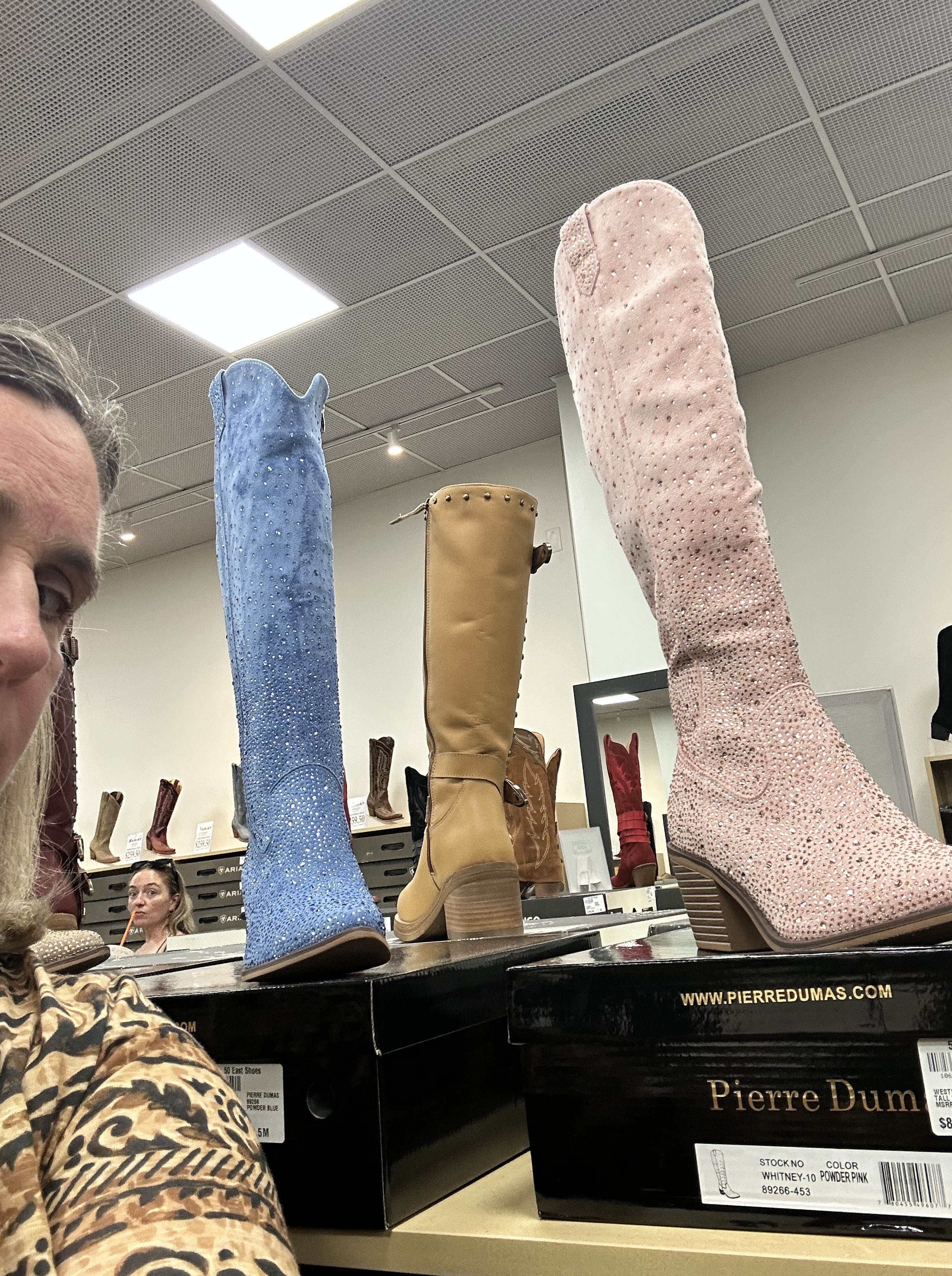
As we made our way through the lines and into the Opry, we took in all the many different ways people arrive for this event – not just in the cars, Ubers, and taxis, but also in manner of dress. Denim shorts, tank top, cowboy boots and hat. Shorts, tshirt with butterfly wings attached, and sandals. Leather skirt just south of what it needed to cover, tank top just north, and fringed vest with silver glitter knee boots and matching cowboy hat. Jeans, sneakers, and a plain t-shirt. Formal gowns of all colors, mostly pink for the evening. I started thinking that maybe the girls’ adventure book club trip after reading the Songteller should be to come to Nashville and shop for glitter boots and cowgirl hats and then come to the Opry.
The show was just as Dolly would have wanted it to be – people remembering her through story and sharing what she meant to them. And somehow, the always-eclectic mix of talent at the Opry from the legends to the newcomers was evident…..and, of course, they all had stories of Dolly. There wasn’t a dry eye in the house when T. Graham Brown stepped onstage in a pink and silver sequined coat and sang Beulahland (25:12 in the Youtube link below). One who needed tissues throughout the show was the woman seated next to me. She was Dolly’s age and had grown up visiting Opryland all her life and continued the tradition when she had her own children. She’d lost her husband five years ago, and her son and his wife had flown her to the show in their small plane. She shared how they had feverishly worked to get tickets on Thursday also and how thrilled they were to get them and make the last-minute trip. There were as many stories in the crowd as there were on the stage, as there are throughout the world.
Favorite and least favorite moments from us? My husband’s least favorite moment was when Jelly Roll came out “after such a classy show, and then he had to roll out at the end and wreck it.” I didn’t have a least favorite; I loved every minute of that show. My husband’s favorite moment was all of it except Jelly Roll. I liked that Belle Frantz sang from her heart with such passion and got a standing ovation on her Opry debut (46:10 in the link below). She shared that her first album is coming out in November, and that it’s scary to release one – – particularly a gospel album – -but that she felt bold enough to do it and took her inspiration from Dolly. I was stuck by how much she reminded me of Patsy Cline.
You can watch the YouTube of the show here and discover your own favorite and least favorite moment.
Each time I see the circle, taken from the original Ryman Auditorium downtown, I get a little misty eyed at the significance and reasons that it was installed – to preserve the sacred space of the Country music greats who have all stood here. I’ve watched the 100th Anniversary a hundred times and can hear the song and the chorus of voices singing it – Will the circle be unbroken, by and by, Lord, by and by….there’s a better home awaiting in the sky, Lord, in the sky. I think of the history of Dolly Parton’s presence on that stage, and the way she could immediately connect with her audience, and the way that even in her absence, her Opry family connected with her – giving her the final performance of the evening. I think of this night of tribute and the many more that her musical family are offering, like Pink’s. And so many more ways she is being honored all across the nation and the world.
Of all the great Opry moments we have missed, I’m glad that last night was not one of them. I always leave looking forward to the next visit to The Grand Ole Opry.
Retirement officially began four weeks ago, and there are both upsides (travel in the RV) and downsides (having to replace a wheel – not a tire – on the RV) to this new chapter. At the beginning of my first week off, I used a green spiral notebook like the one in the image above to make a list of all the things I wanted to do — something enjoyable each week, blending in some new hobbies and routines as well.
Here are some things I’ve enjoyed in my first official four weeks of retirement, as teachers and students have returned to school (#1-7 I blogged about two weeks ago):
1. Mahjong 101
2. Rag Quilting
3. Morning Walking
4. Yoga
5. Friends of the Library Book Fair –
6. Local Bookstore Book Club
7. Summer Reading Poetry Book Club
The past couple of weeks have included two getaways in the Wayfarer along with a few other new endeavors. Everyone kept asking what I would do in retirement, and I’m so eager to share the ways I’m enjoying it! I have 100 things on my list…..so I continue sharing the list:
8. Postcard Poetry Fest – I signed up to send at least 31 postcards out to those who joined the Postcard Poetry Fest 2026. I have written over 31 original poems and have mailed them to my assigned recipients. It has been exciting receiving postcards from all around the world – many with original works of art on them by the artists. I’ll share the postcards I mailed and many of the ones I received in the coming months.
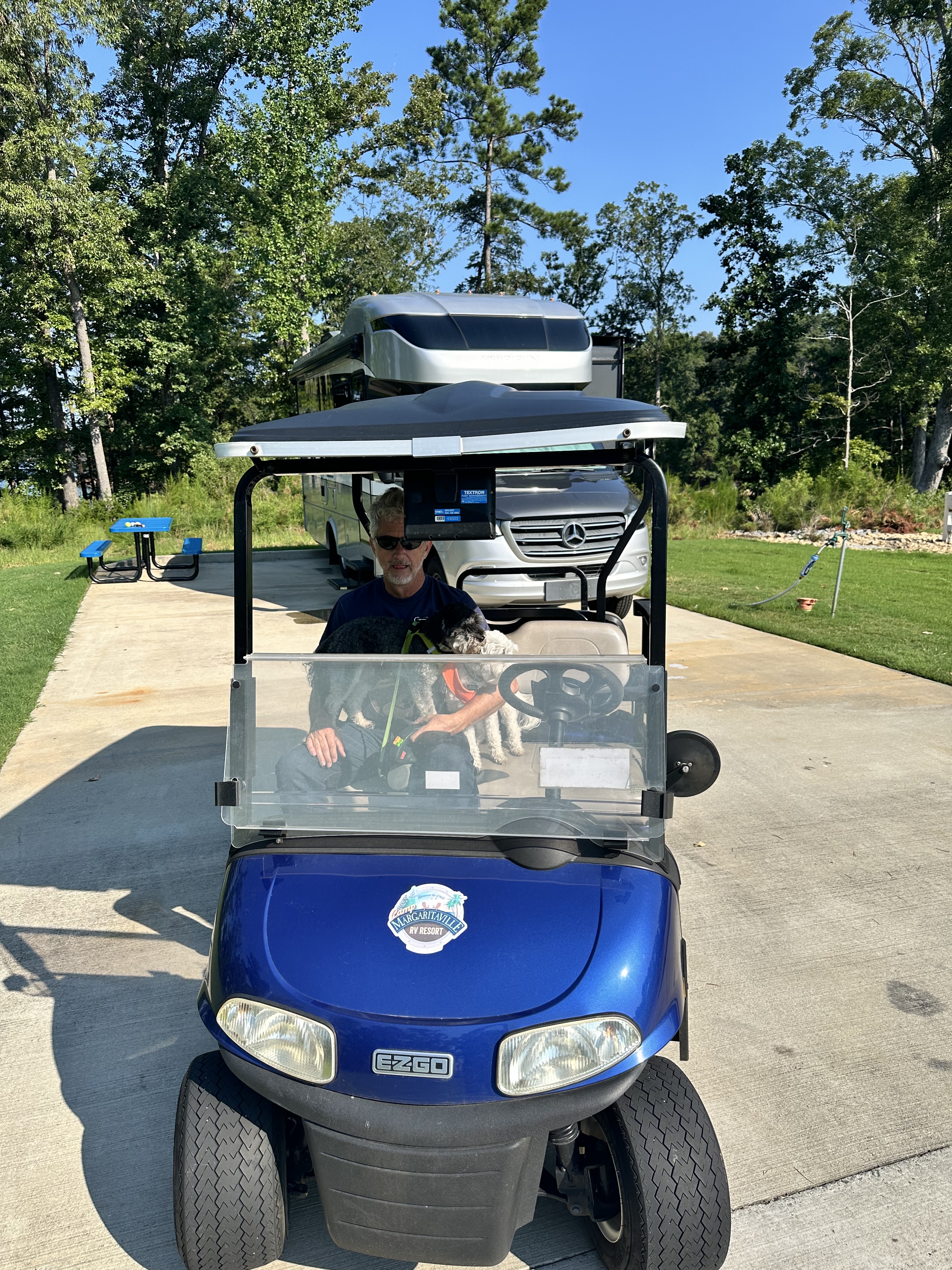
9. Wayfaring to FDR for camping….and…..10. Wayfaring to Margaritaville for a concert – We went to our favorite nearby state campground for a weekend on a remote campsite and enjoyed the fun and frustration of an unplanned hike. The following weekend, we took the Wayfarer to Lake Lanier to camp at Margaritaville RV Resort and saw the Eagles tribute band The Long Run. We rented a golf cart to get to the venue, and we learned the next morning that Boo Radley is not a candidate for riding in the golf cart because he cannot mind his own damn business and loses his mind and acts a fool.
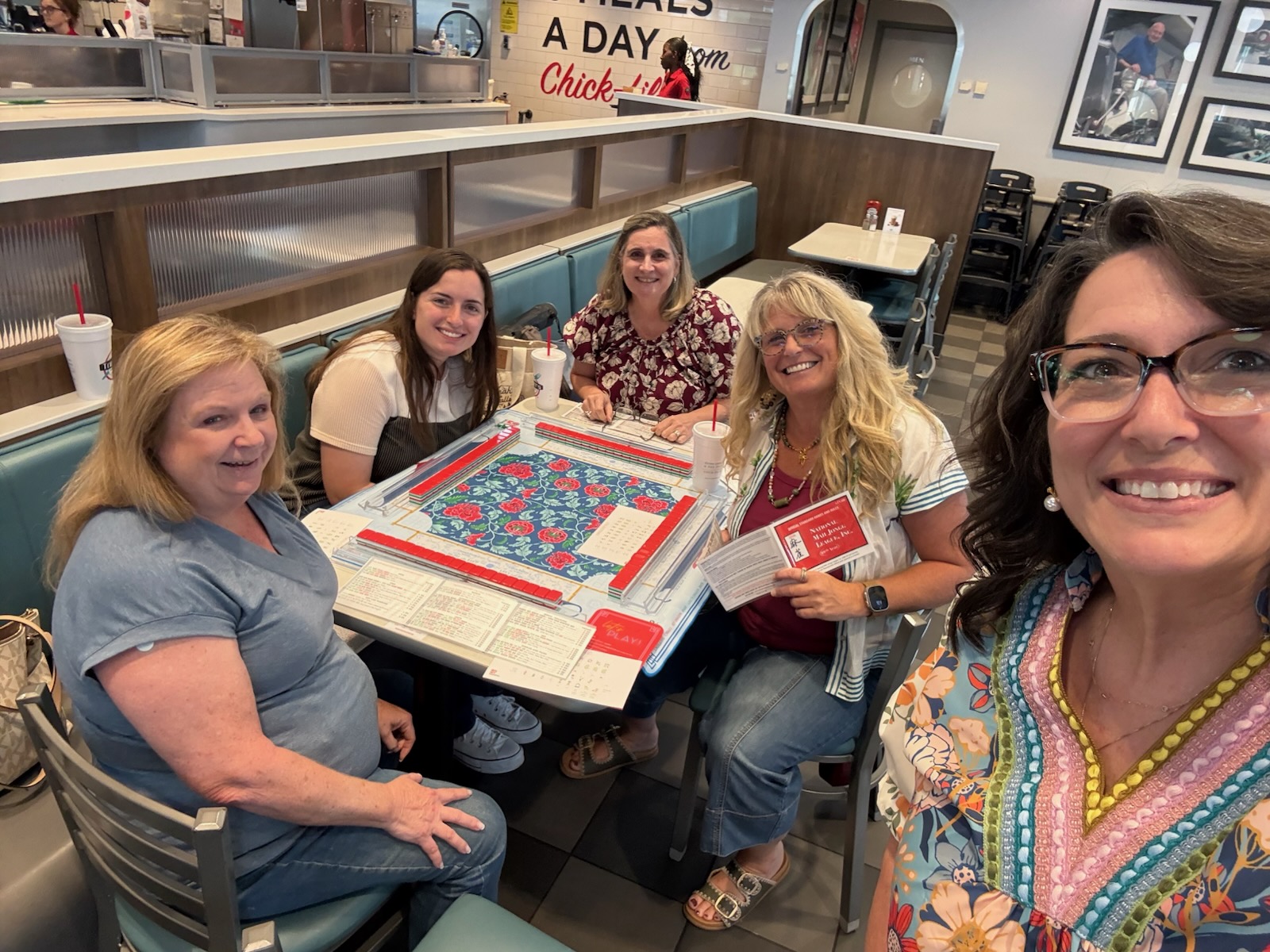
11. Mahjong 102 and Free Play – I added a new segment of learning Mahjongg by attending the second course of lessons and engaged in an evening of open play at the McDonough Truett’s Restaurant with my friend Christian. We are riding around places meeting new friends and sharing the joys of “going Mahjongg.” I won my first game last Friday, and Christian swept all three games the night we drove over to McDonough.
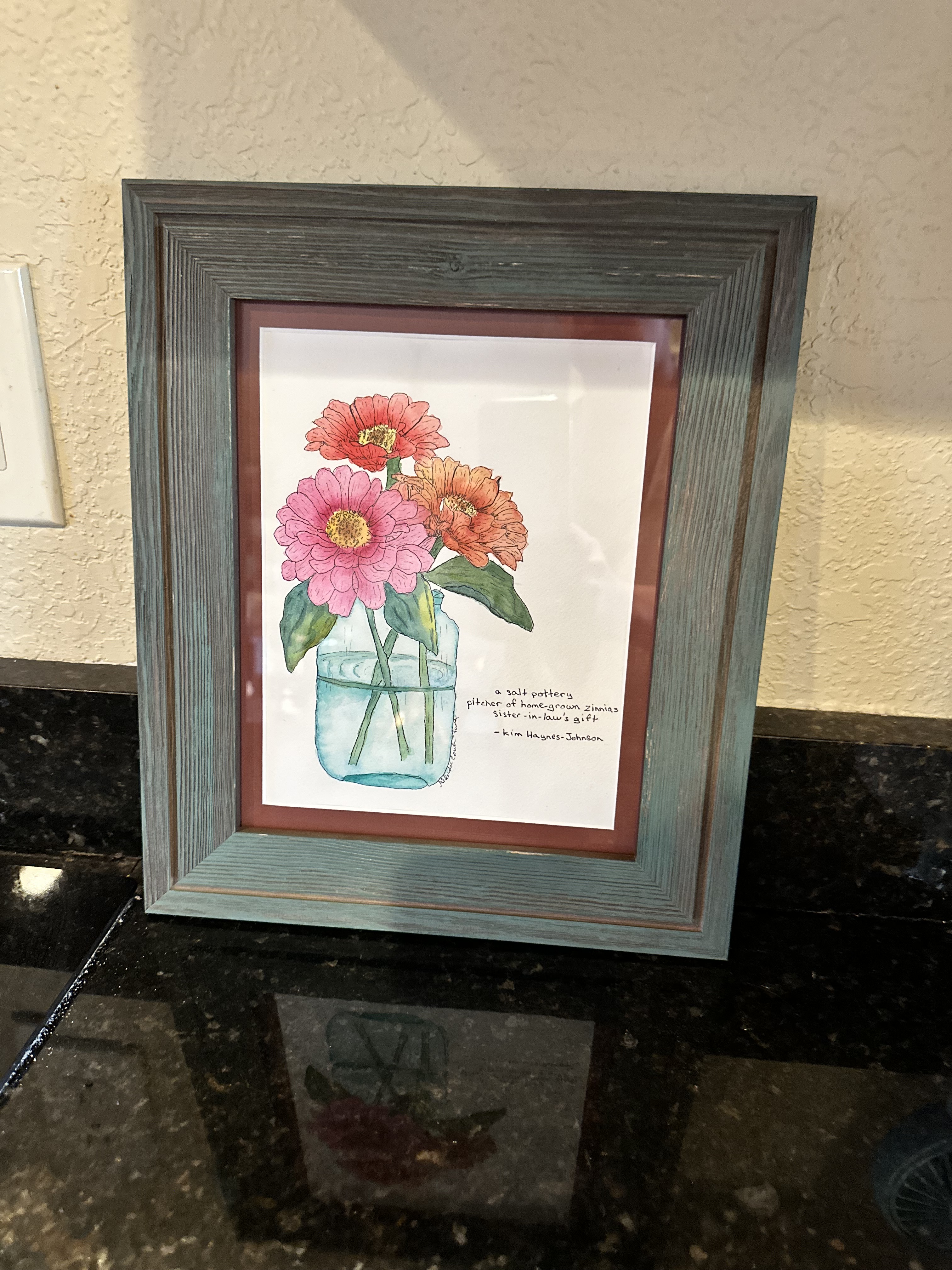
12. Zinnia Arrangement – my sister-in-law who grows zinnias has brought me several batches, and I love arranging and rearranging them in my mother’s pitchers. I received an extra-special arrangement when I checked the mail last week. My friend Glenda Funk from Idaho created a watercolor painting of zinnias when I wrote a poem about them, and she framed the print with my poem as a retirement gift, along with a gorgeous boho blanket from Natural Life, a really cool pen and toothbrush holder, and a bracelet from Thailand – and the most heartfelt card ever! I shed tears of joy opening it, thinking of my friend who is so giving and has been suffering such pain in her leg lately. These are treasures I will cherish – so personal and meaningful.
13. Fabric Postcards – I’ve been working on creating fabric postcards for Postcard Poetry Fest for the next round. I sent out a few to see how they would hold up in the mail, and my small group of Stafford Challenge writers all received them and they held up fine.
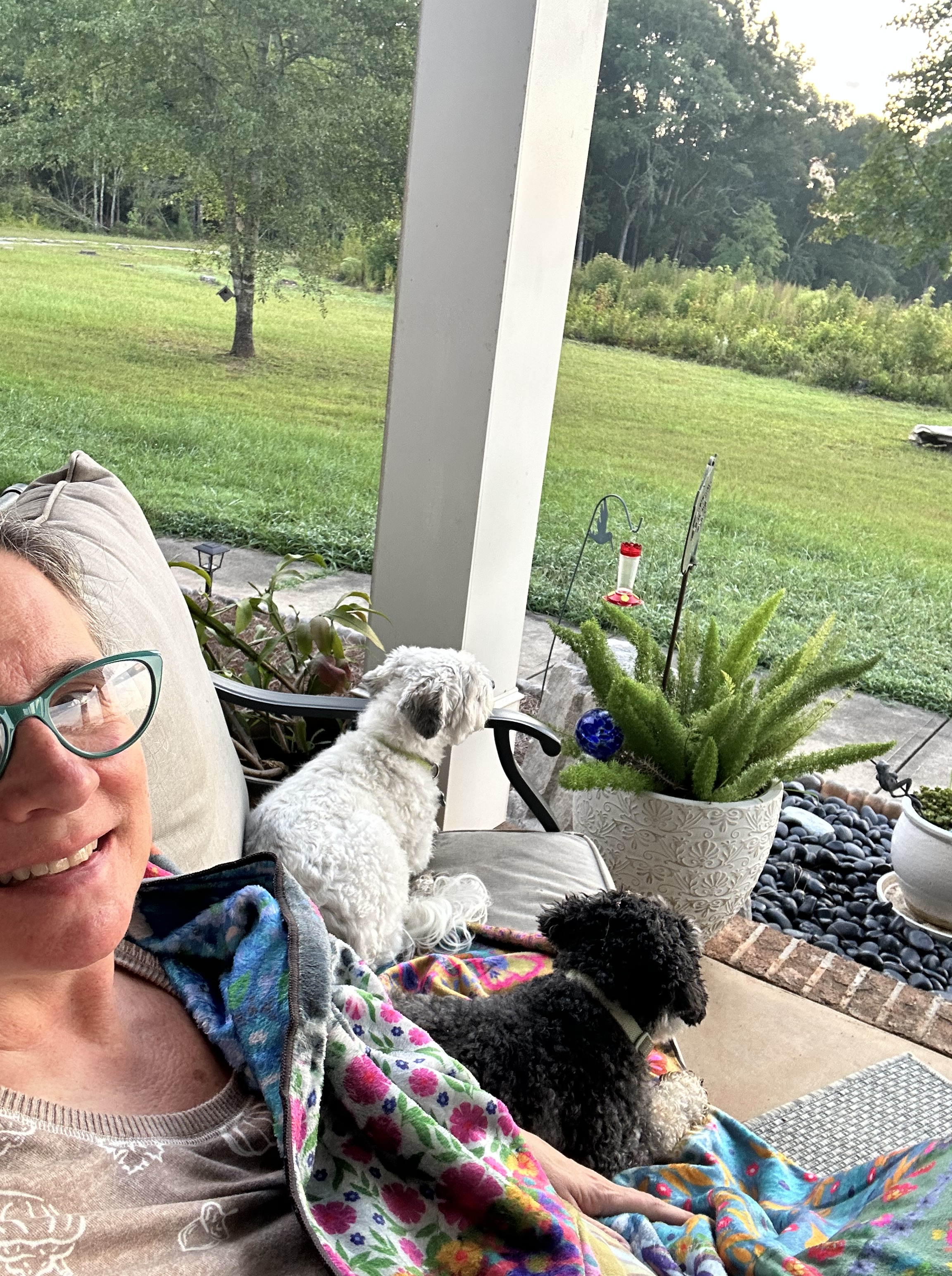
14. Porch Sitting – I’ve enjoyed late morning coffee with my sister-in-law Bethany and an evening visit with my friend Jayne, who brought me a retirement t-shirt gift. Porch sitting and visiting is a great way to adjust pacing.
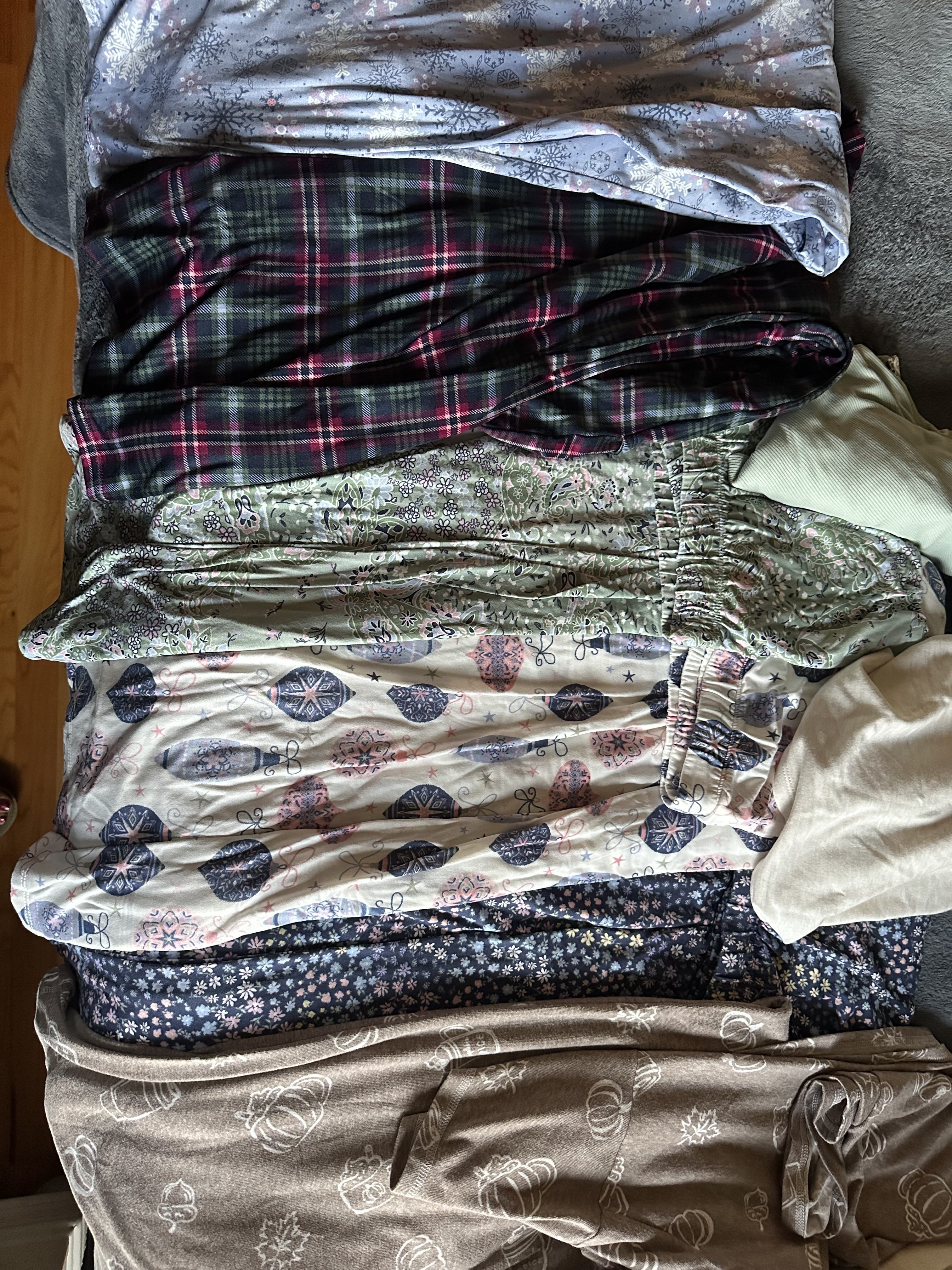
15. Lounge Pants Spree – I ordered lounge pants for each day of the week so that at least I could change into clean pajamas each day, but I ended up keeping only one set. I’ll add them more gradually so I can be sure of the fit instead of ordering online. My writing friend Margaret is changing my thinking, though. She says she replaced loungewear with activewear, and perhaps I should consider the same. There are some yoga pants that do not fit quite as tight as leggings, and those would work for me better than the tighter fit.
16. Novel Writing with Nick – I met a friend and fellow writer in Eastman, a couple hours south of here, to go through the first round of edits for the unfinished book left by my father that we are co-authoring. We look forward to bringing this novel to print in the coming months.
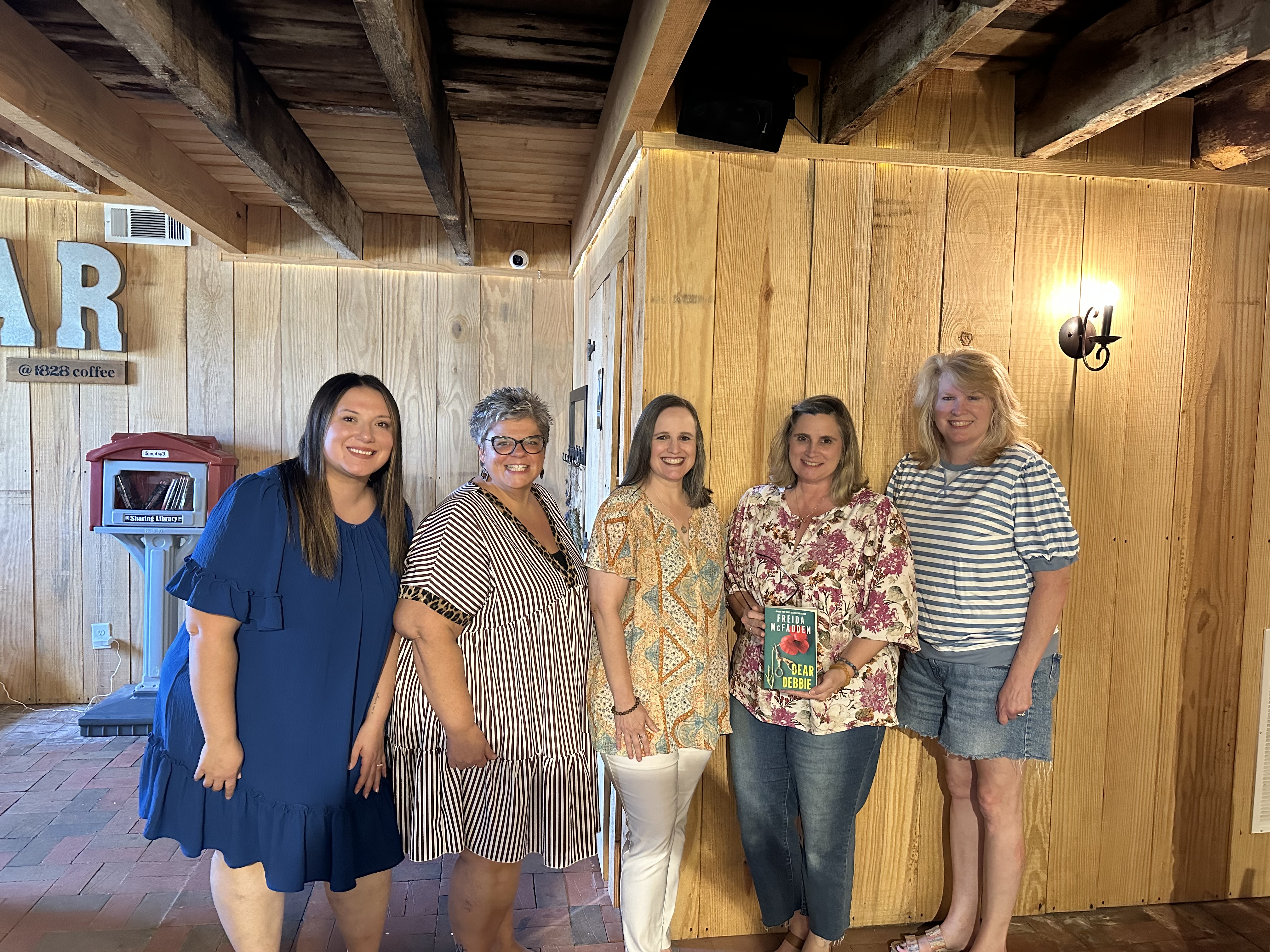
17. Kindred Spirits Book Club – I have a Goodreads personal goal of 60 books this year – – (it’s fitting….it’s the year of 60)…..and my Kindred Spirits sisters (missing one of us in the photo below who are the regulars) and I met at our local coffee shop to discuss the August selection: Dear Debbie by Freida McFadden. Our book choice for September is The Sideways Life of Denny Voss. Currently, I’m finishing Mad Mabel by Sally Hepworth and I can’t turn the pages fast enough to see what happens next.
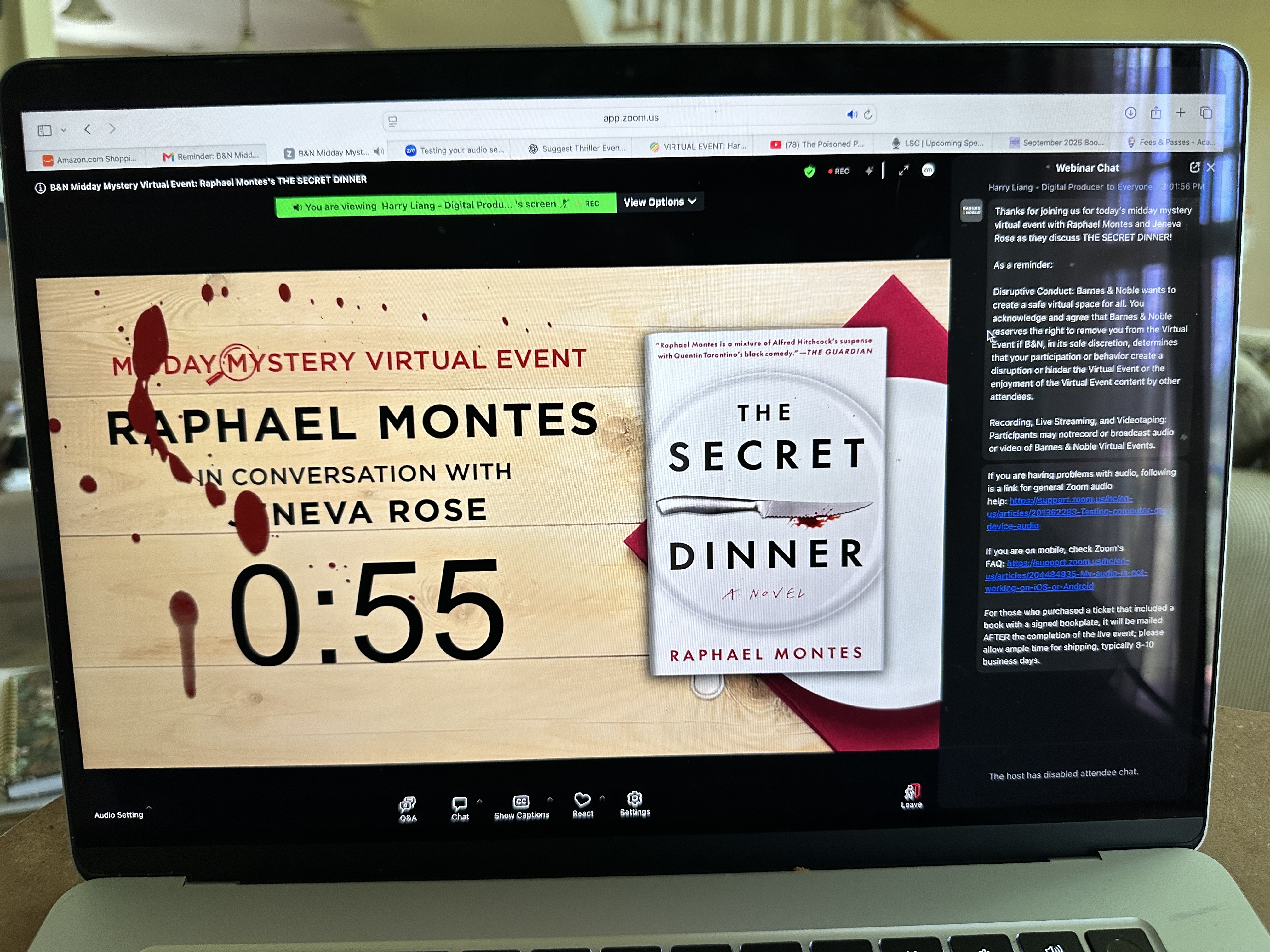
18. Barnes and Noble Virtual Book Club – I was looking for a way that my daughter in Nevada and I could connect in a book club, so we participated in the reading of a Brazilian thriller author’s latest book, The Secret Dinner. We downloaded the book on a Tuesday and had 48 hours to read it before the Barns and Noble Monday Mystery event. It’s definitely a great way to participate with family readers across the miles. The novel was disturbing in its subject matter, but reading outside the comfort zone is what readers do sometimes.
Over the next couple of weeks, we will be busy. One excursion that we will take this weekend will likely be one of my favorites of all time….. (hint: It will take place in Nashville, Tennessee on Saturday night).
Here’s a secret I’ve been holding back: Dad left an unfinished manuscript, and it looks like it’s going to make it to print. For years, he’d been telling folks that he was working on a book. He shared snippets here and there of the plot line and the general story, rooted in the setting of a second home he and Mom owned along the Sapelo River down in McIntosh County.
At his funeral and visitation services in June 2025, many people asked what would become of the book. My brother and I searched his computer and found a few threads of story ideas for this book, but nothing more than a few scattered breadcrumbs. And then our good family friend Nick Doster, the last person to sit with Dad before he died and who brought him the Braves cap he’s buried in, produced an outline with story notes.
More like a piece of bread than a breadcrumb. But still far short of a loaf. Then, Nick offered to work with me to finish the book….which, really, felt more like starting the book by sowing the seeds of ideas and hundreds of tiny quilt squares together to see where the patterns emerged. Like me, Nick is always reading and writing. His most recent book is a western, and he has been talking with the screenwriters about a screenplay, which has consumed a lot of his time lately. Getting to retirement has consumed a lot of mine. So for about six months now, we’ve been working here and there, chatting on weekends and plugging in August as the time we’d get together to do our first productive round of editing of the whole manuscript.
The Bean in Eastman, Georgia was the halfway point for both of us, so we picked a day and met there. We took over the coffee shop and the free wifi yesterday to chisel away a few more steps toward the finish line. We’re still far from finished, but the fun of writing is another part of retirement that makes me happy. These large chunks of time to be able to write and think and edit are a great way to spend a day.
Today? A little more editing, a search for more comfortable swivel stools with backs for the Mahjongg table, a morning walk on the treadmill before it’s too hot, and a great movie my aunt recommended on Netflix for later this afternoon: Arthur the King. I’m so glad I didn’t wait to retire – – what a blessing to have the gift of time to spend the days doing what we love!
One of the things I’ve looked most forward to in retirement is an unhurried pace to be able to enjoy time together with family and friends with a sense of full presence and my mind not on a million other things I’ve got to get done. Since I have retired, that has happened more and more. I’m not checking the time as much. One day I even had to think about what day it was. That’s a nice feeling. It’s got me thinking about all those dementia checks they give older people by asking them what year it is. There might be better questions for that, since I think that one is a little biased against retirees. We don’t care, and we don’t want to keep up with those minor details anymore.
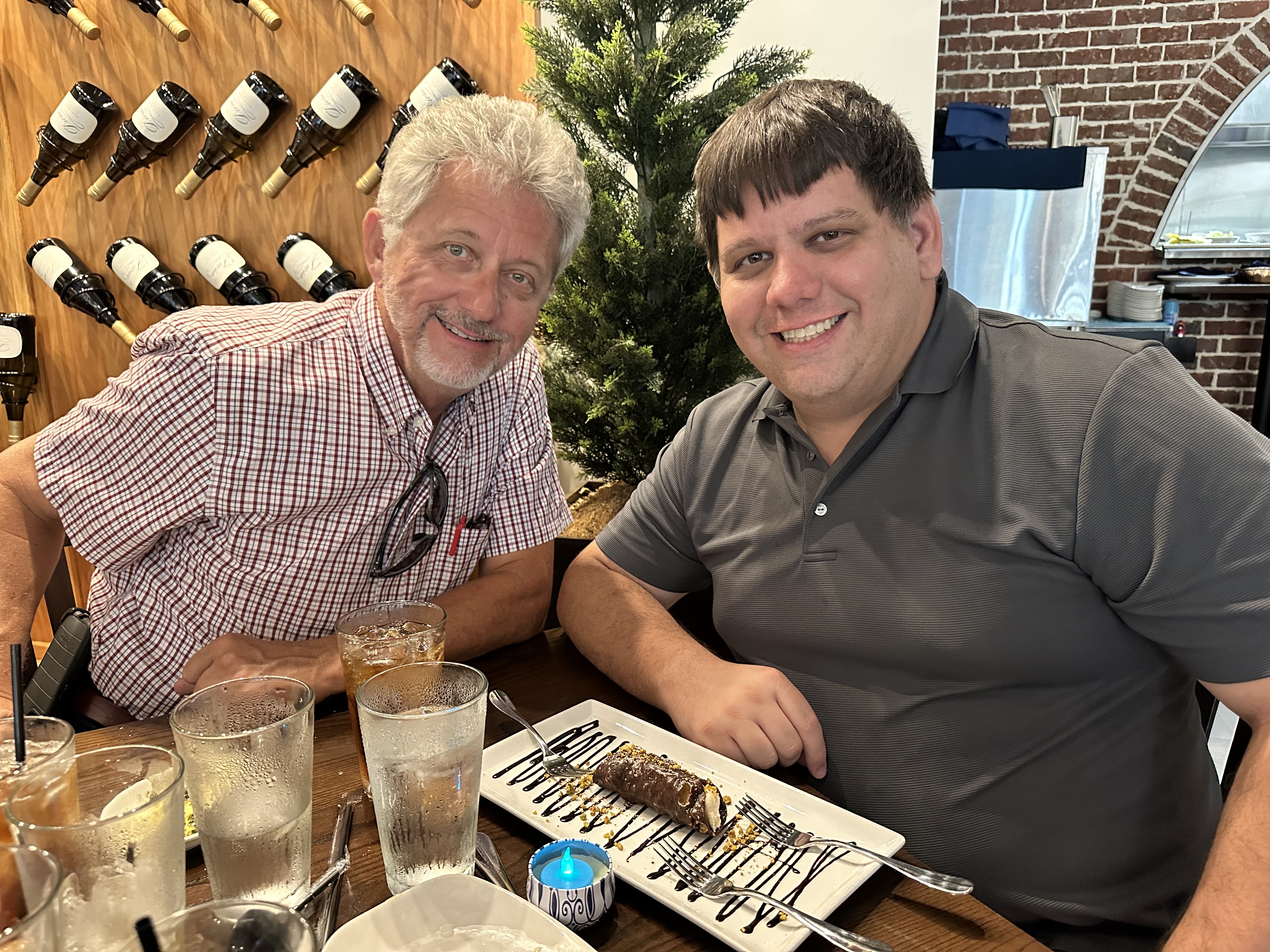
My husband and stepson
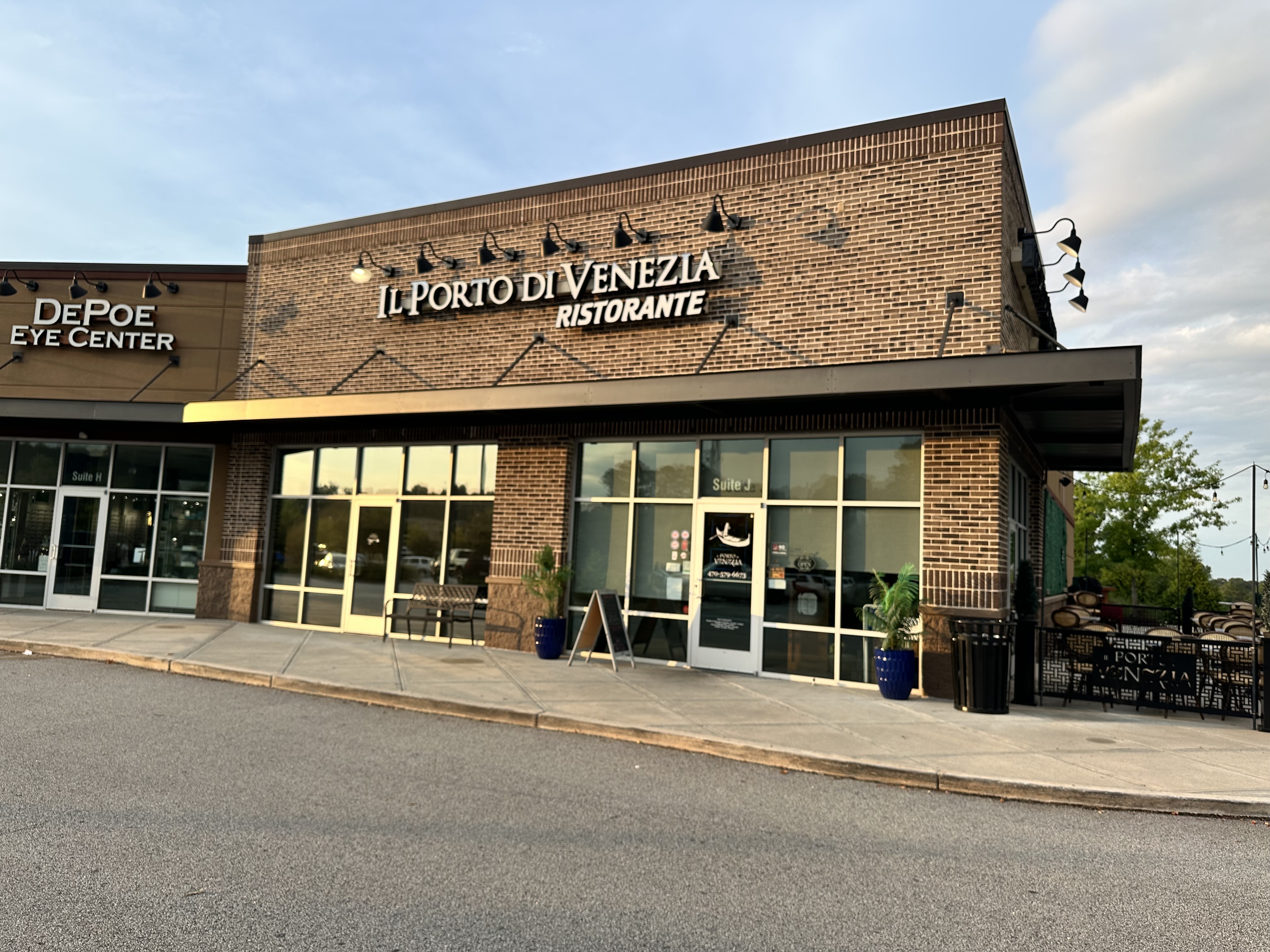
In the past week alone, we’ve met family members for meals and spent time around tables catching up on life and enjoying food and fellowship. We picked up a grandson and took him to Longhorn Steakhouse to talk golf, life happenings, and what he’s reading in school – The Crucible, and how the classic witch-hunt still happens. We have celebrated a birthday with my stepson two counties northwest of us and met my aunt and uncle an hour north of us for lunch because they’ve been hoping to see our RV and see how we set it up. We met my stepson at Il Porto Di Venezia in Senoia (where The Walking Dead was filmed) and found a parking lot with both a Panera and a Barnes and Noble (places to fill two appetites AND space to demonstrate setup of the RV for dry camping) to meet my aunt and uncle.
And besides all the time around tables with those we love, retirement offers the blessed gift of time to browse and pick the books I want to read next. I’ll be meeting Tayari Jones next month when she comes to a University of Georgia campus near me to talk about her latest book, Kin.
Yes, the unhurried pace is the best thing about retirement. Someone told me it would be sleep, but for me it’s the quality of the time awake that I get to enjoy in this chapter.
One of these will be my next book…..I’ll see the author in September at University of Georgia Griffin Campus for a book talk.
Humorist Erma Bombeck titled one of her books When You Look Like Your Passport Photo, It’s Time To Go Home. It’s a compilation of hilarious travel essays and global anecdotes. We haven’t been anywhere far away since I’ve retired, and already I look like my passport photo. It was renewal time, and while we don’t have any definite plans yet to visit Iceland or Ireland or even Canada, we like to keep our options open just in case the opportunity arises. My brother and sister-in-law took a Viking cruise out of Amsterdam down through French Wine Country a couple of Augusts ago, and they’ve been urging us to consider a river cruise. My heart leans toward Iceland or some Scandinavian place where I have to bundle up like a real Viking just to breathe the air and can go inside to cozy up by a rip-roaring fire.
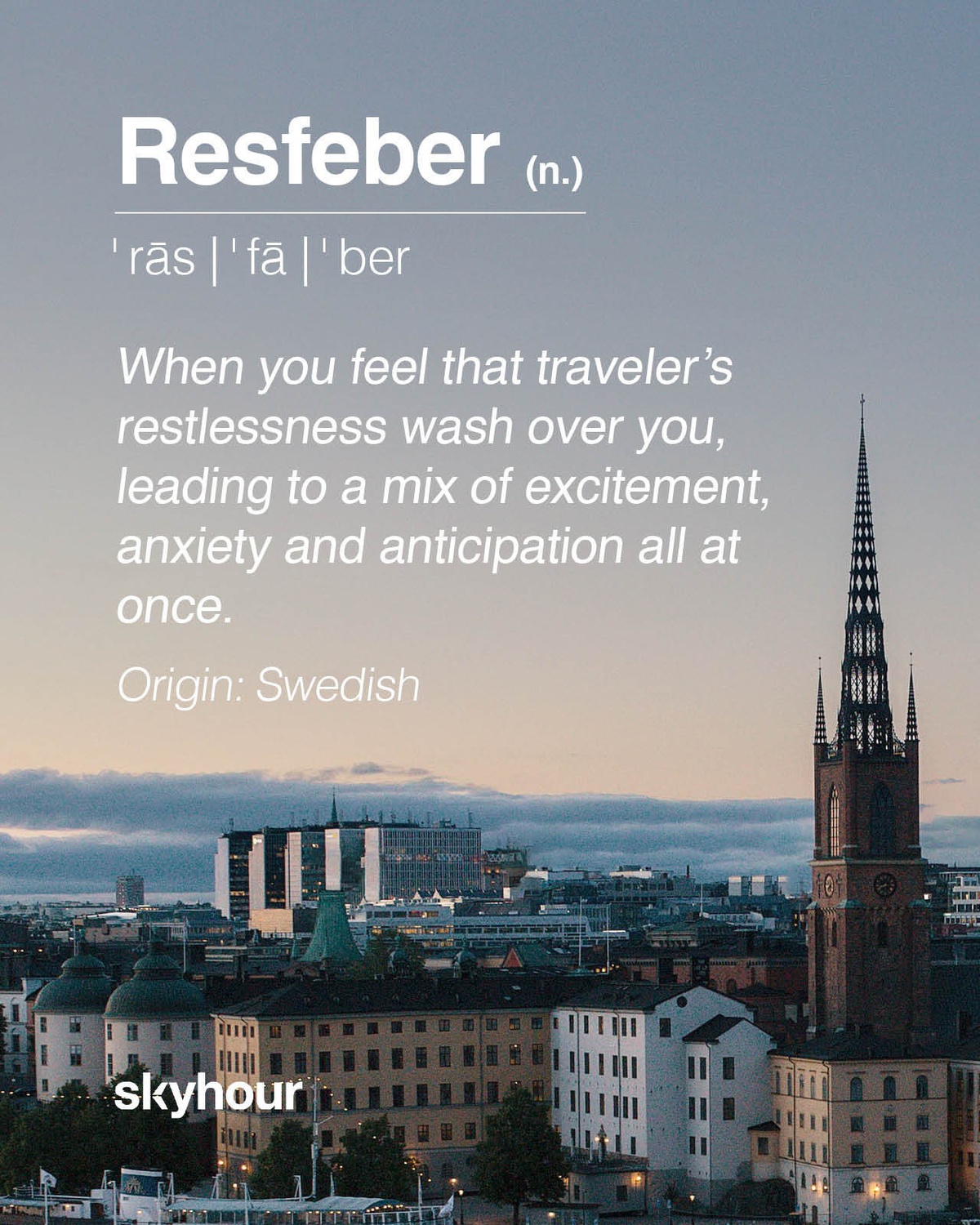
Sometimes, the dream is as exciting as the reality. There is a word for this: resfeber. It’s a Swedish noun that refers to the feelings of all the excitement of travel before it ever begins. If I ever write a travel book, it will have this word somewhere in the title or subtitle.
I’m feeling sparks of resfeber this week because when our latest Georgia Magazine came out, I did what I always do: I thumbed to the section of upcoming events throughout the state and discovered that The Long Run, an Eagles tribute band, would be performing at Lake Lanier in Buford, Georgia on August 22. I snapped up two tickets and reserved a lake spot campsite at Margaritaville so we can drive the Wayfarer up on Saturday and take our Schnoodles to a new place we’ve never camped, full of all-different smells for them to enjoy. I do think that this is what they love most about being camping dogs – – taking in the world through their noses.
Next, I’ll make sure our Eagles t-shirts are clean and ready to wear. We got matching ones when we flew out to see them perform at The Sphere in Las Vegas this past February. We’ll wear those to see the tribute band.