Happy birthday to my first-born child today! She’s a kid at heart, and she loves to read. When she was little, we’d pile up on blankets or beds for book picnics – – she, her sister and I would do nothing but read all day long while the boys were out fishing. Last year, she read 144 books, stomping my 20 down to a pancake compared to her skyscraper. She still calls them her “chapter books.” Today, instead of raising a glass to my daughter, I open a book. It’s what we do best in our DNA.
One minute we’re expecting snow along with the ice storm of the century, but the next it’ll be 75 degrees and sunny. There’s a chance of snowfall, ranging anywhere from 0″ to 145.” I’ve heard it all this week, and I guess it’s safe to say we’ve prepared for all or nothing, just as they’ve said: prepare for the worst, hope for the best. And The Weather Channel is the best place to find a time loop where you live the same ten minutes on repeat. It may well be the portal for time travelers to take a jaunt in time somewhere far more stable than here.
I’m not sure what I’d take with me, but no matter where I am, all I really need are books, dogs, a comfy chair and a cup of coffee. My TBR stack is taller than I am, and I keep reading blog after blog after blog. This morning, Tom Ryan’s Substack featured the most joyful photos I’ve seen all year ~ his dog Emily (Samwise in the background) leaping for joy. He and his two dogs have just move to Cape Cod from the White Mountains of New Hampshire and are walking the woods where Mary Oliver wrote much of her poetry.
Today will be a day of quiet, peaceful living here on the Johnson Funny Farm an hour south of Atlanta’s Hartsfield Airport, right on the flight path where we use our Flight Tracker app to check where all the planes have left and where there going. Fun times. Quiet: at least, that’s what’s planned, but things can go sideways here pretty fast. Fifteen times in the past five minutes, there have been earth-shaking gunshots out here in the deep rural country ~ deer? ducks? Who knows? The important thing is that the dogs are here tucked safely in our bed, the gas logs have plenty of propane, we’re stocked up on candles and have 12 pouches of tuna, a dozen boiled eggs, and cheese and crackers. And instant coffee.
Let the reading commence! Wherever this day finds you, even if your power goes out, I hope you stay warm and cozy.
the book is better
than any movie ever
our own minds film scenes
pennies, nickels, dimes
won’t buy a movie ticket
reading a book: free!
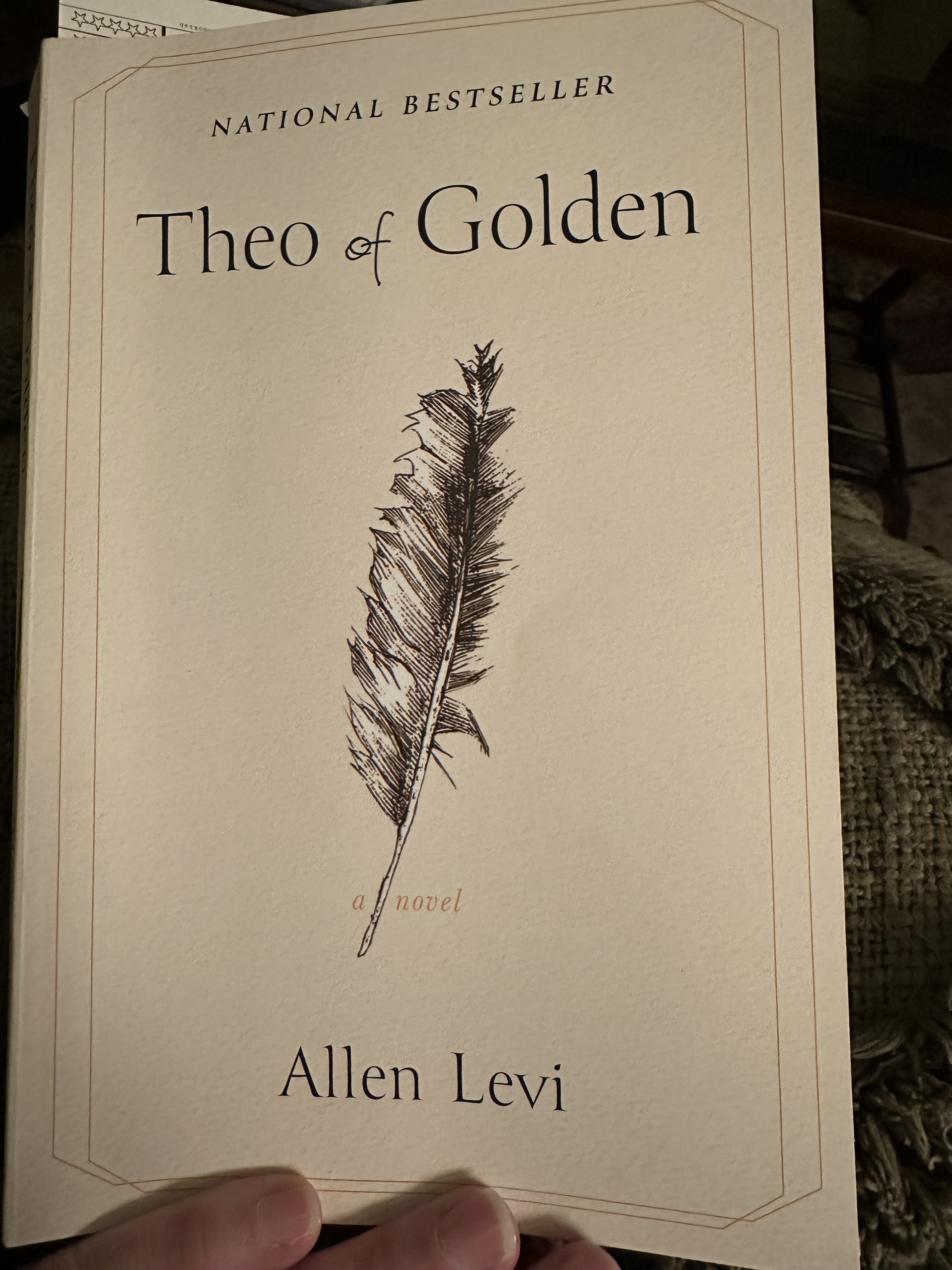
I’m currently reading Theo of Golden by Allen Levi.
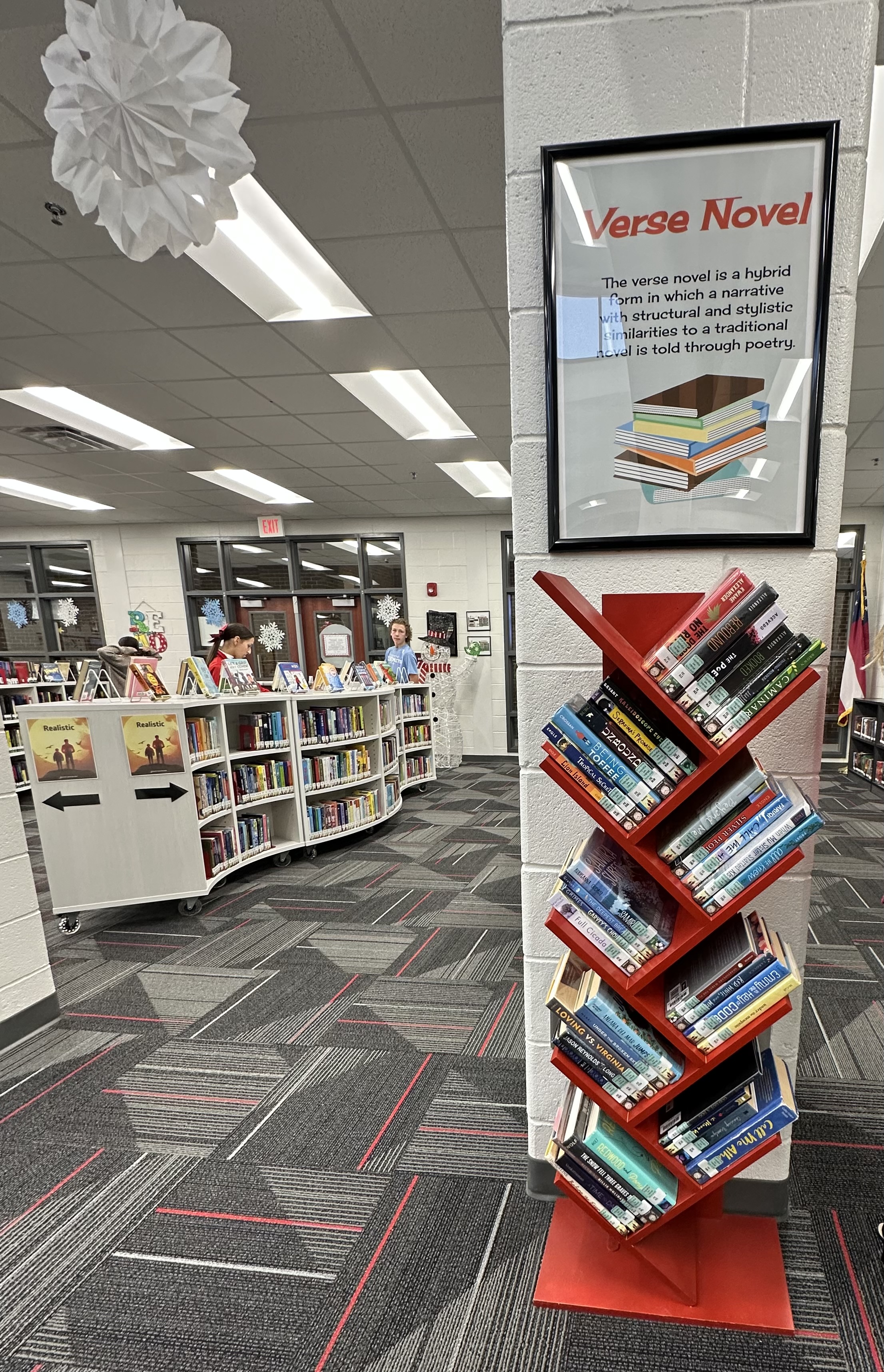
For the next 3 weeks, I’m taking our media specialists on tours of different media centers in our state to gather ideas for updating our own media centers. We were on a tour today when one middle school media center had a section completely dedicated to verse novels – and a poster definition, too! I felt my whole heart warm as I looked at the fabulous display and smiled – –here is a media specialist who is curating a collection for a kid after my own heart. Yes! I’m cheering!
Have you ever wondered whether you could write daily?
Do you love poetry and prose?
f Are you strapped for time and wonder about the commitment?
Wonder no more.
Come on, take my hand and walk down the shore. See the beauty?
Join the Year 3 kickoff of The Stafford Challenge today. It’s not too late to sign up, and you may just ask yourself what took you so long to join. This writing circle is completely free (you can make a donation only if you want – and I did not donate until the 3rd year). You will meet writers from all over the world, be inspired by them, and have the option to join a small group writing circle (you can join with others you don’t know or form your own like we did), where you will share and form some of the closest long-distance relationships you’ve ever had. Even if you don’t consider yourself a strong writer – – or a writer at all.
Come on, stick your big toe in the water. It feels refreshing in here.
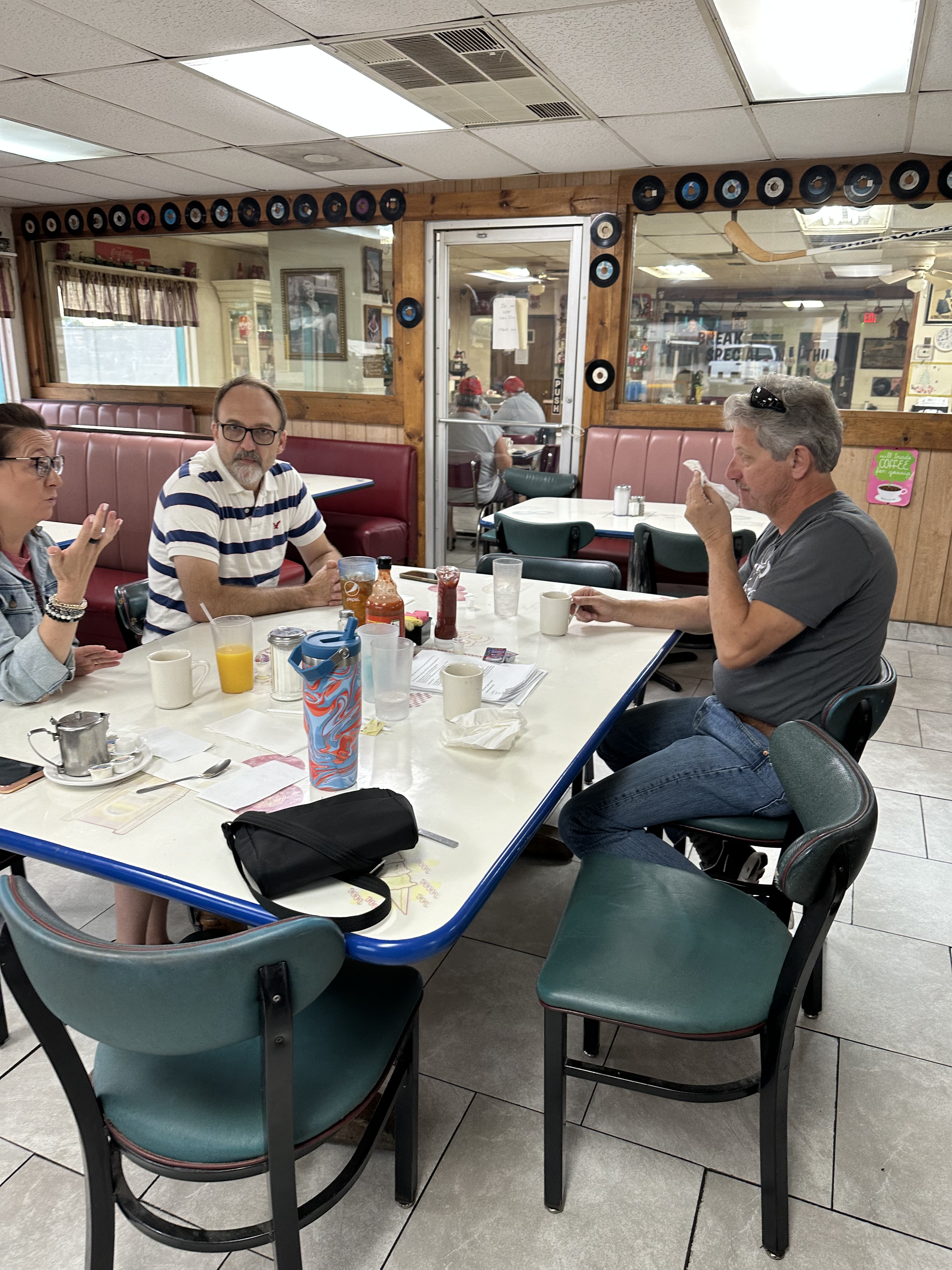
My small writing group meets the first Monday of each month ~ Barb Edler of Iowa, Glenda Funk of Idaho, and Denise Krebs of California. We catch up on life, we talk about what we’re reading and what we’re writing, and we share our poetry. Sometimes we write during our Zoom. You know that poem The Cure by Kate Baer in her latest book How About Now? It’s how I feel about my writing circles. This is so much more than breakfast.
Today is the kickoff, and you can sign up at this link. I would love to see you there today. I’ll send you a wave from my tiny screen.
Come on, dive in! You can swim or float, and either is divine.
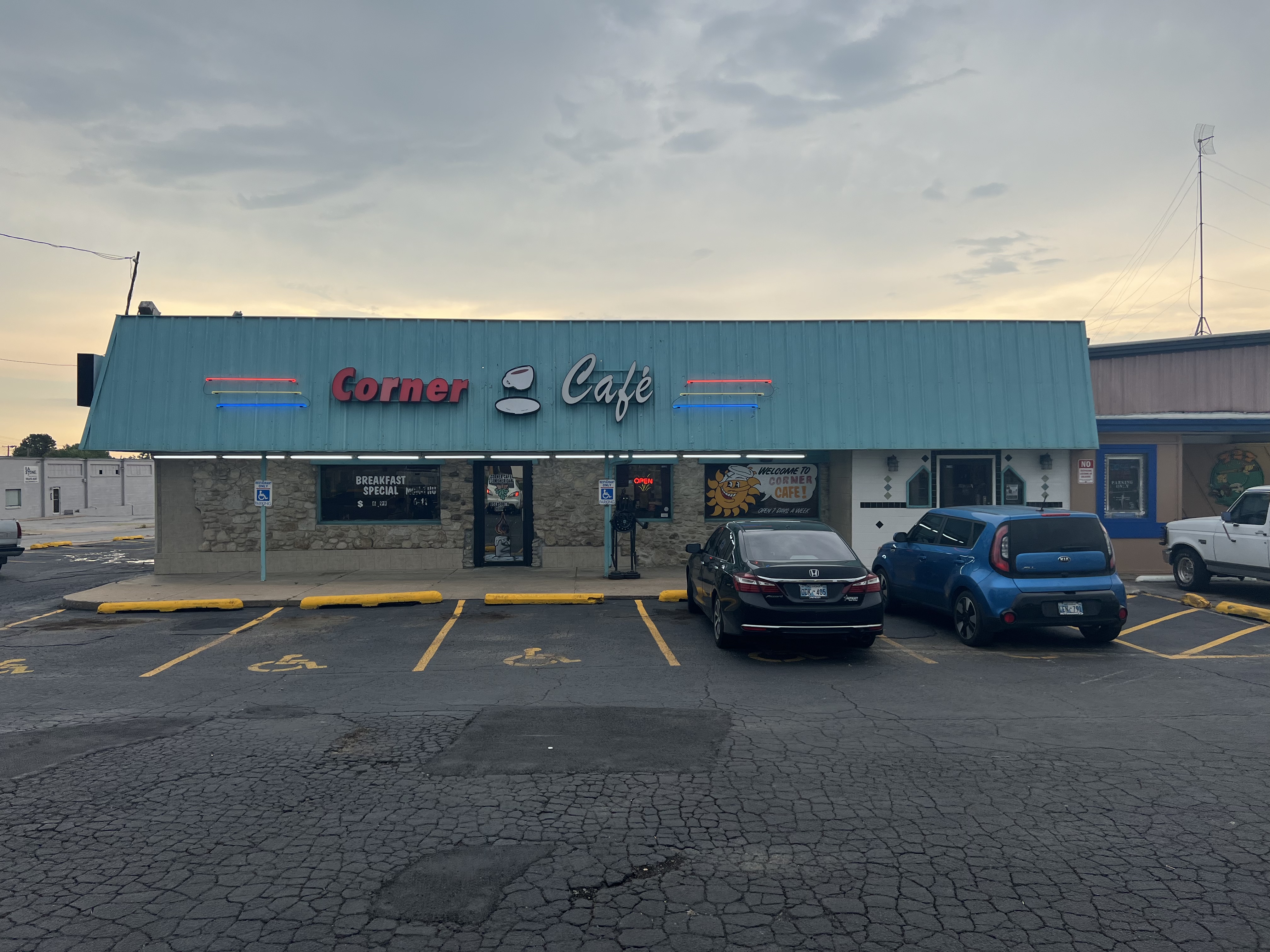
If I had a freeway billboard, it would say If you haven’t had pizza for dinner at Frank’s Filling Station on the backside of nowhere in the rural Georgia Countryside off Highway 362 in Hollonville, you haven’t fully lived, ‘specially if you didn’t split a Little Debbie Double Oatmeal Cream Pie with your sweetie for dessert.
dinner wasn’t planned
we just ended up hungry
looking for some food
I was delivering a Facebook Marketplace sale of the last of my Longaberger collection from the 1990s ~ a lidded piece of Christmas pottery. I sold all but one of my baskets a couple of years ago in the sweeping house cleanout, but the pottery popped up needing a better home, and some man in a small silver sportscar pulled up next to us as we waited at Frank’s Filling Station, the designated meeting spot to do the business. I handed him the dish, and he handed me the cash.
The next obvious question at that time of the day was what was for dinner – a common conversation for two tired full-time working folks. We went down the list of possibilities, but nothing was appealing much to either of our appetites.
Wouldn’t it be fun to see if we can each eat dinner on five bucks? I asked my husband, eyeing the filling station and wondering whether they might have a little cafe inside. The place had just been redone a year ago, and neither of us had been inside since. I’d just picked up an easy ten dollars, and I sure didn’t mind splitting it with the love of my life to feed us both. It would be a fun challenge to see if we could stay within budget.
He took me up on it.
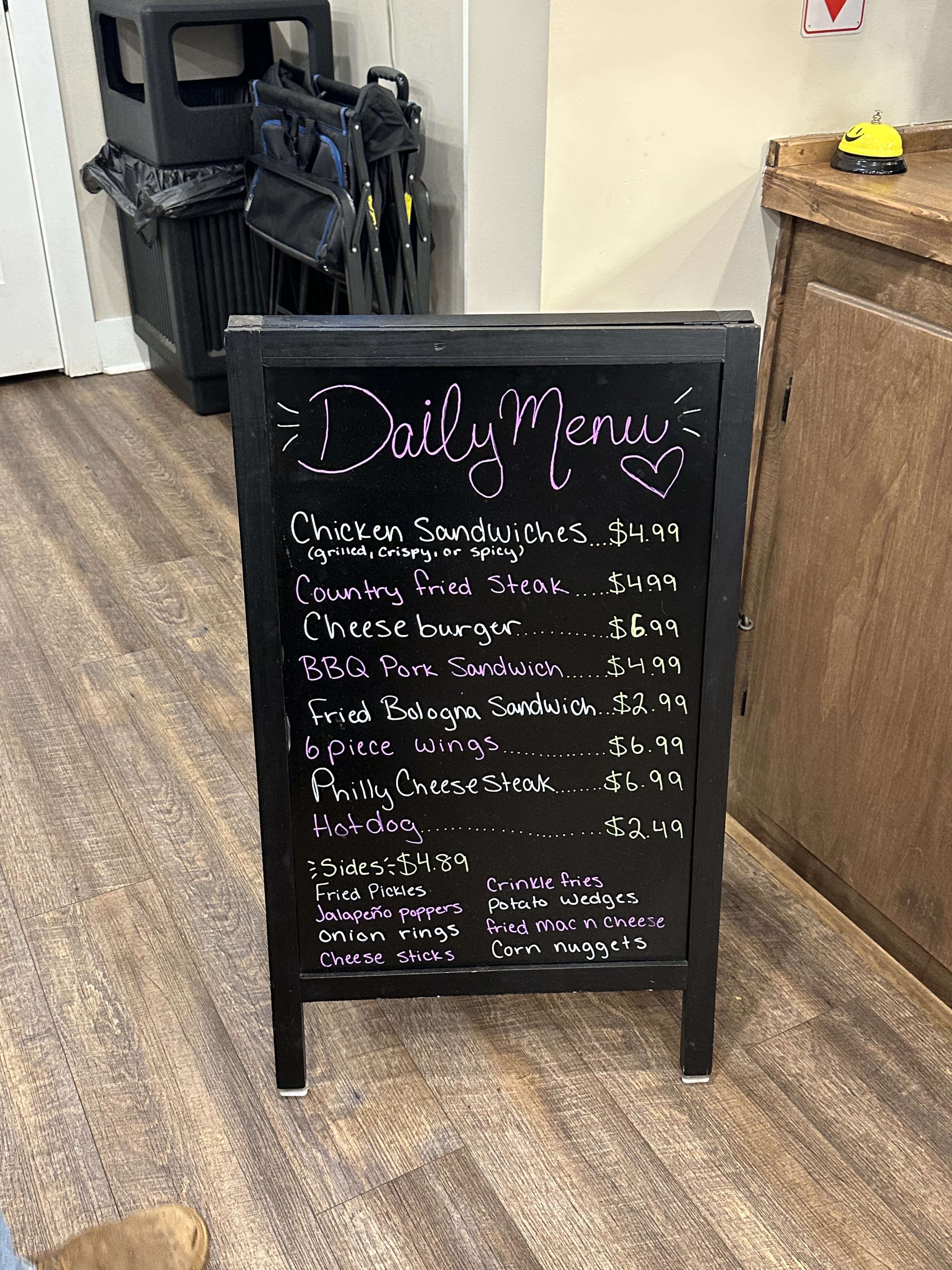
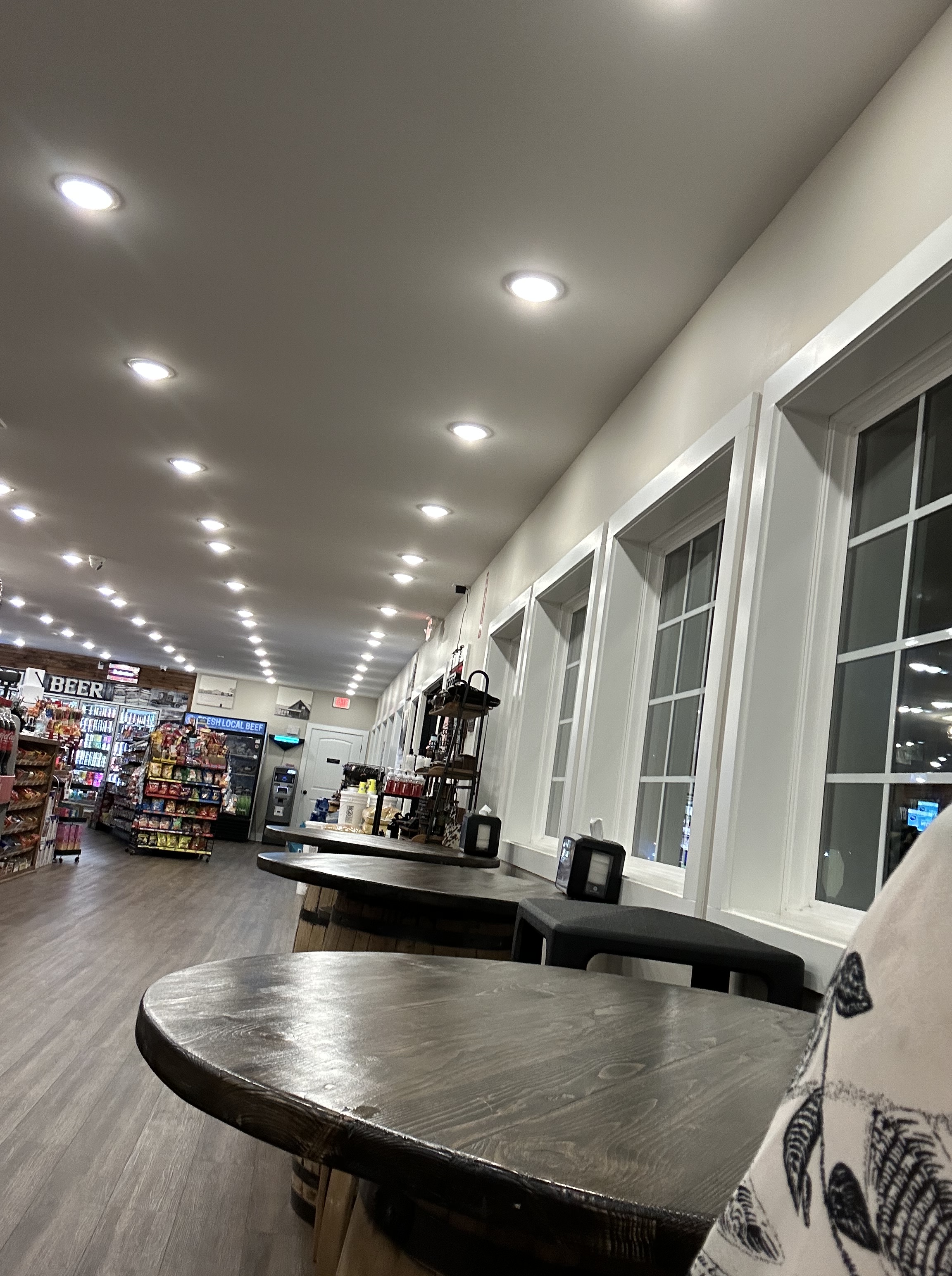
I eyed the boiled peanuts. They have regular and Cajun in there, and I do love the spicy ones. Probably not the best choice that close to bedtime, though. I scanned the cooler of local beef from Caldwell Farms and made a mental note to come back for some another time when I planned to cook at home. We spied the barrel tables next to the window and took a look at the food options – cheeseburgers, fries, pizza, chicken wings, hot dogs, and even a fried bologna sandwich. That’s how you know you’re in the country is when you see a fried bologna sandwich.
We settled on the pizza and two bottled drinks, and sat at a table to eat and watch the people coming and going – and that is a lot of excitement on a weeknight for the place where we live. My back was to the door, but when the last two pizzas walked out in the arms of a young man, my husband whispered that he was glad we got ours when we did. It wasn’t fabulous pizza, but it was decent, and that was good enough for a Tuesday night.
Did we stay under budget? Nope. We went over by $1.80 before adding the Oatmeal Cream Pie. We’d already blown the bank, so we splurged on a $2.00 deluxe dessert we could split, and we were grateful for the sustenance.
So if you’ve never had dinner at Frank’s Filling Station in Hollonville, Georgia, add it to your list of things to do if you’re ever an hour south of the Atlanta airport. They also have Hollonville, Georgia t-shirts in there, and those are as rare as hen’s teeth and would make great conversation starters for traveling. Keep a lookout for us ~ we might just be at a barrel table by the window.
The last day of my winter break before going back to work this morning was not a morning of sleeping in or relaxing. There were things to do that could not seem to wait on a Sunday morning. Perhaps 2026 will be a lot like this ~ getting things done with some sense of urgency. It is already Monday, and we are back at it, both of us, off to work and back into the grind of the routine. I’m holding on tight for the ride.
On the heels of a missing grill that vanished from an AirBNB while we were gone to a birthday party and an unexpected early-morning knock at the door that turned out to be a Northern Flicker attempting to demolish the cabin we were occupying for the weekend, I came home from Kentucky to three boxes on the porch – two of which were late Christmas presents arriving after the fact. The third presented yet another mystery in these days of stranger things. There was no gift card from the recipient enclosed.
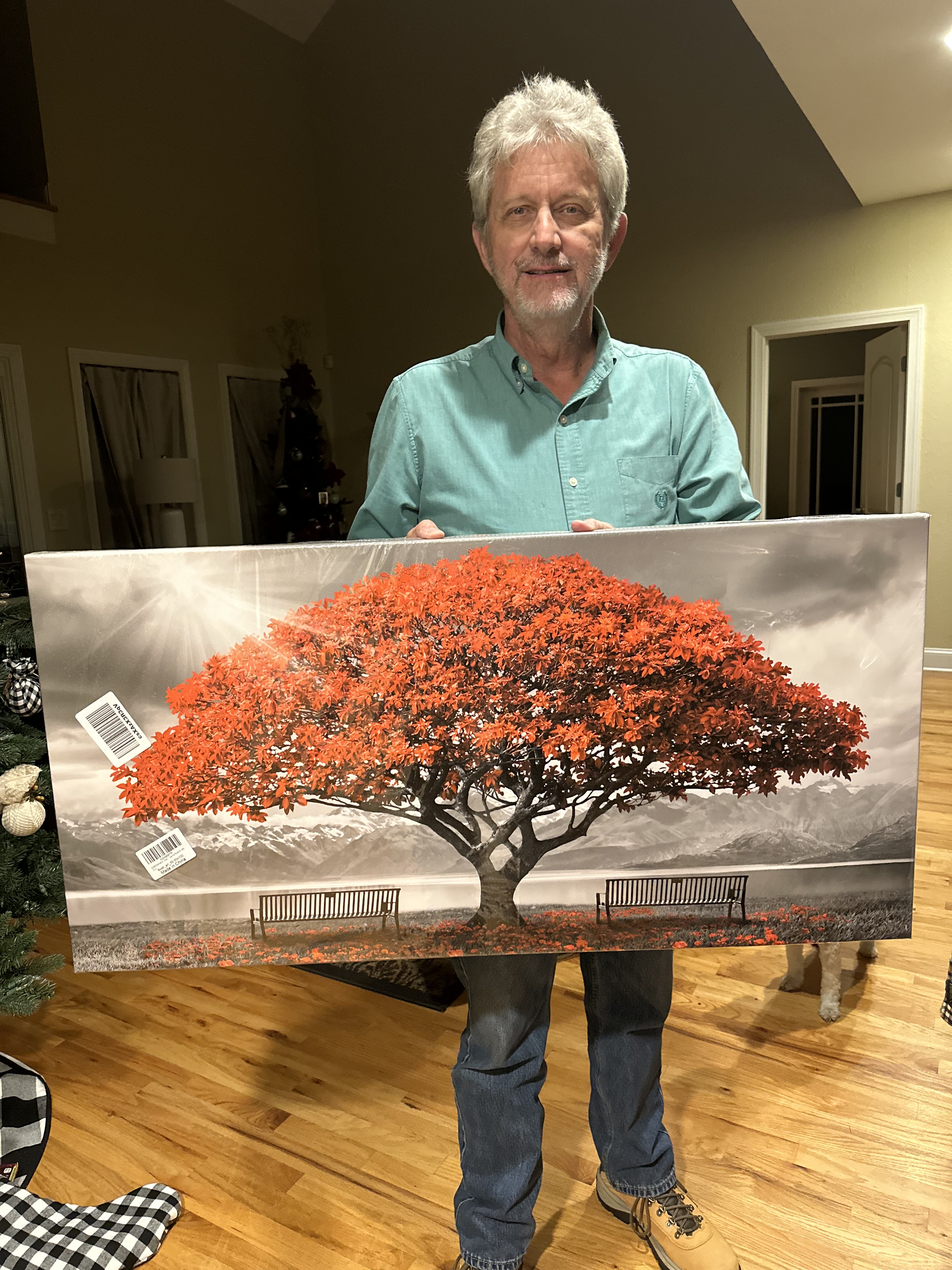
I called my brother and sister in law, who said they didn’t send the art canvas of a red Japanese tree against the backdrop of snow-covered mountains looking like Fuji, with two black metal benches on each side. Nor did any of our children. I texted a friend in one of my writing circles who just got back from Tokyo and collects art. It wasn’t her, either. I sent a text out to the full family group with my husband holding the picture: Anyone know anything about this? it read.
The mysterious art canvas (Boo Radley’s feet far right corner)
I did a little research and learned that I may be the victim of a brushing scam, where people receive things they never ordered in the first place as freebies from companies seeking verified purchaser top review status. All evening, I watched videos of the random things people sometimes get. There is no risk for the victims, either, other than needing to change passwords frequently. These recipients of everyday’s-like-Christmas surprises just have to make extra trips to the dump or find ways of getting rid of whatever doesn’t fit into their lives until the packages stop arriving and the review scammers move on to other recipients. I reported the package to Amazon with the tracking number, and they replied that it would take ten days to do an investigation.
I can’t help considering the irony of this scam in light of all that has transpired this year. We started cleaning out our house and barn in 2024 when we started the journey of downsizing with the dream of building a smaller living space on the farm. In 2025, my brother, our spouses and I shared the task of cleaning out our Dad’s house and seven storage rooms. They were full of books, art, dishes, lamps, furniture, pretty much everything you can imagine, and other “rare collectibles” because Dad was a hoarder who could never get rid of anything. I looked at the canvas of the red Japanese tree and chuckled, wondering if somehow this is him pranking me beyond the grave, particularly as I have wept real tears over the harvesting of all the trees on Briar’s family farm since April. Surely this canvas carries some kind of message I haven’t figured out yet.
For now, I’ll sit tight and wonder, as all the other brushing scam victims do, what might arrive next. I’d love one of those shiny silver coffee makers that grind the beans and do all sorts of fancy brewing like cappuccinos and espressos and lattes. I’ll take a king-size Nectar adjustable bed, with two cool-temp pillows and a massage feature. The latest Apple Watch (I have never owned one) might be a nice surprise if I can figure out how to turn the notifications off, plus some good winter boots with arch support, maybe Aetrex brand, in black leather. Those are the things I’m hoping my brushers will send next – – and I’ll even write their glowing 5-star reviews myself in exchange for all the free stuff.
A Call To Action Haiku, Celebrating Surprise Photographic Art
brushing scam victims
unite with glowing reviews
for free merchandise
Here is my free review of this art canvas that I’m considering actually adding to Amazon:
This canvas is the perfect size print to go over a bed or to hang on a bland wall space. It’s guaranteed to bring both boldness of vibrant color and tranquility of empty bench solitude all at once as it reminds us that there is indeed sunlight just beyond each cloud in the sky. The mountain spirit is alive and well, beckoning our very souls to reach for new heights even as we keep our feet on the ground and our lives simple and rooted in nature. Art lovers looking for cryptic messages they can apply to their own lives will delight in the vibes and reminders that living things all bloom and thrive where they are planted and that to everything, there is a season. The tree reinforces the notion that no matter where we go, there we are, and that we should never, ever forget our lipstick. There is much to be seen from a distance that you cannot appreciate close up with your boots in the snow. It’s all a matter of perspective, we find, as we gaze into the possibility of each vantage point as we stand considering angles. Yes, in this print, we feel a deep sense of belonging. We are branches on the tree of all humanity, each of us one mere leaf, hanging in our own time and place in the history of generations who have come and gone before us, even as we consider the promise of future generations if the world does not end in an apocalyptic rapture at the touch of a button by some bratty lollipop-spoiled kid who grew up to be a tyrant with a tortured soul in North Korea – or anywhere, for that matter. And these emotions are just the tip of the ice-covered mountain for the depths of discovery in this one canvas that is the most unexpected kind money can buy without, you know, actually being there in person, which would cost way more. Get yours today, and you will never look back – – only inward and upward henceforth. (Brushing Scammers, thank you for this delightful gift).
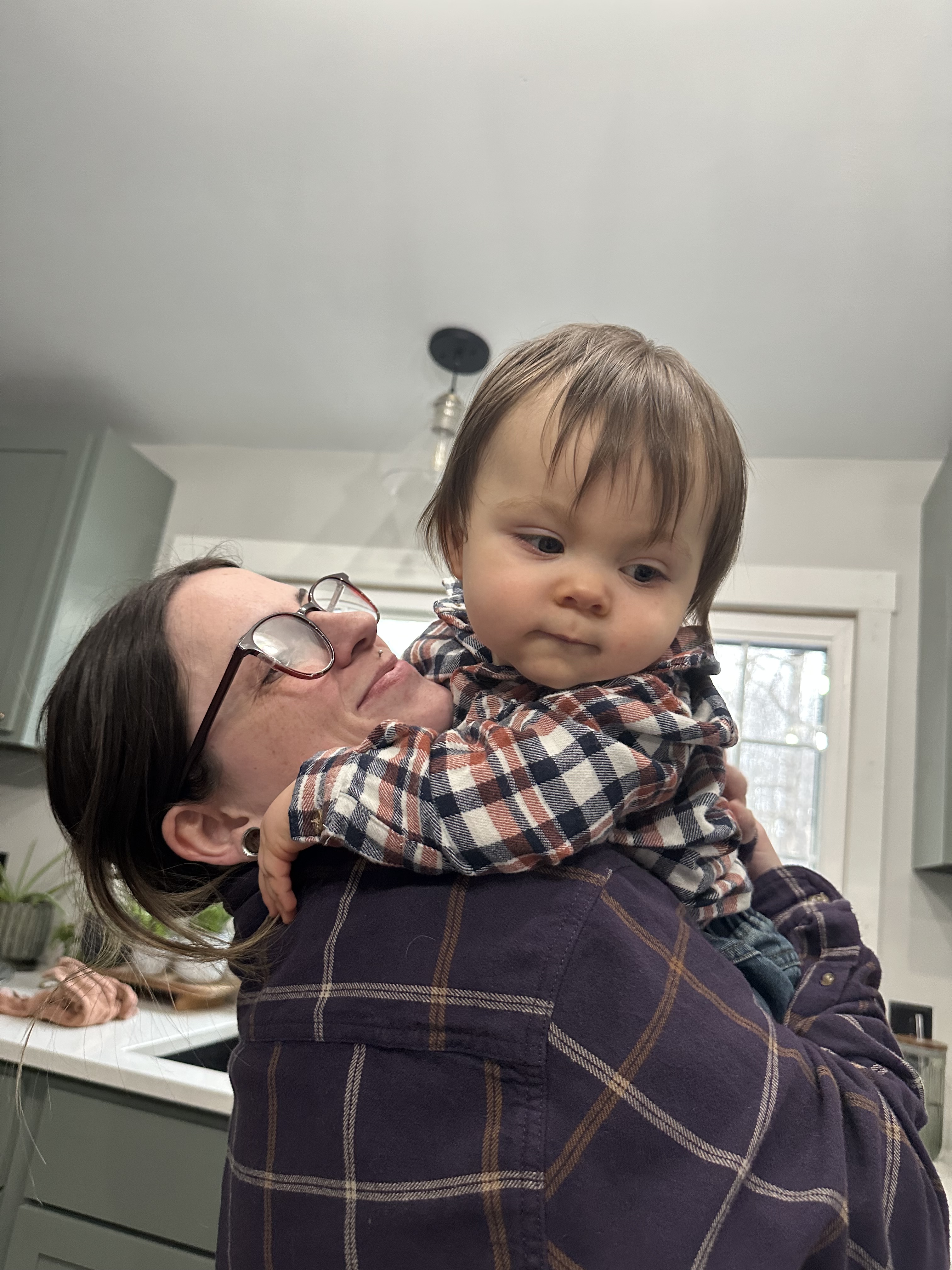
We’re in Kentucky celebrating our grandson’s first birthday. When my daughter was pregnant with him, she’d call to tell me how fast the bean was growing. Here we are, at a first birthday party after what seems like only a month since he arrived. Happy birthday, Silas! We love you so much!