Rabbit, rabbit! It’s the first day of February, and here we are almost to Groundhog Day again, about to hang all our faith and hope in a soothsaying rodent. It’s 15 degrees here and feels like 3, and I’m not sure whether to wish for more chances of snow for mid-week reading or hope for the greeting of the roadside daffodils.
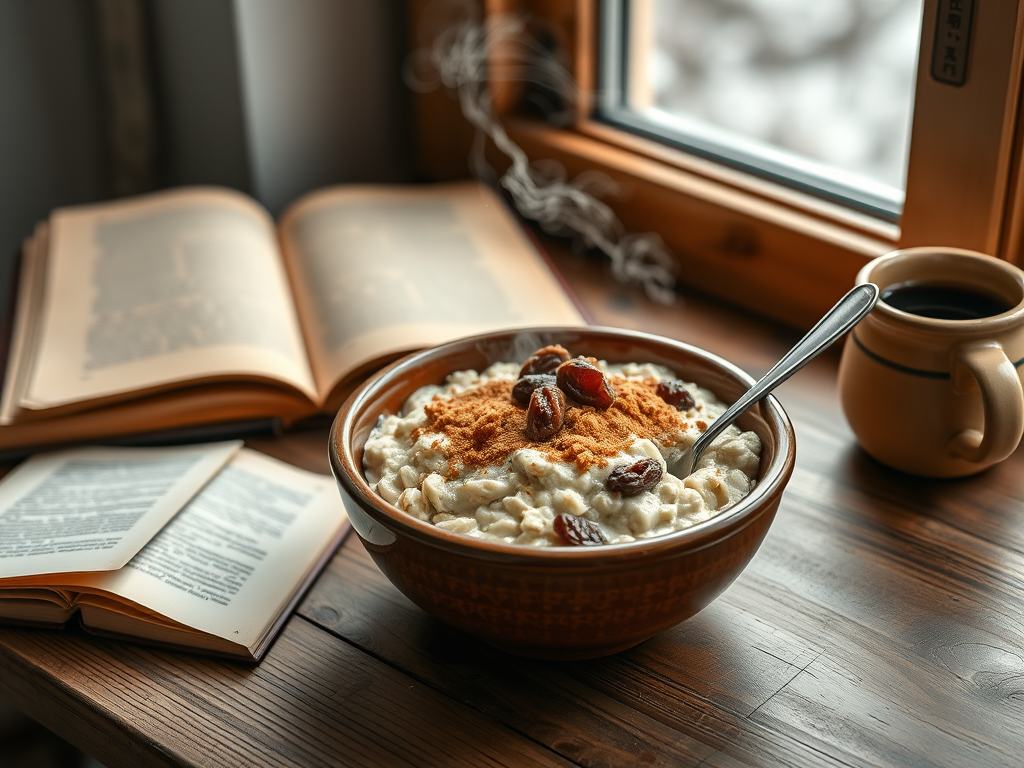
One type of poem I’ve been writing since last year is a gift basket poem – – what would I give a recipient in any given month of the year? For February, the choice is clear: it’ll be filled with oatmeal colors to help keep you warm.
If I were giving you a gift basket I’d go with oatmeal tones
My friend and writing buddy Glenda Funk of Idaho joined the slow readers’ group of War and Peace by Leo Tolstoy for 2026. I’d read about this on a blog post by a writer in our Tuesday group and been intrigued. Sharon Roy was choosing to write a haiku after each of the 361 chapters., where readers read one chapter per day and listen to a podcast about it. The irony! War and Peace in haiku! I smiled and secretly wished I’d joined but feared I was too late. Next year, I told myself.
Then, I sent a picture of a stack of books through a text exchange asking Glenda which poetry book I should read next. Glenda is the most voracious poetry reader I know. She is a fast reader and is a good matchmaker to suggest the next book based on poets she knows her friends like and those she thinks they will enjoy next. She shared that she was still reading Instructions for Traveling West by Joy Sullivan because she is also reading War and Peace.
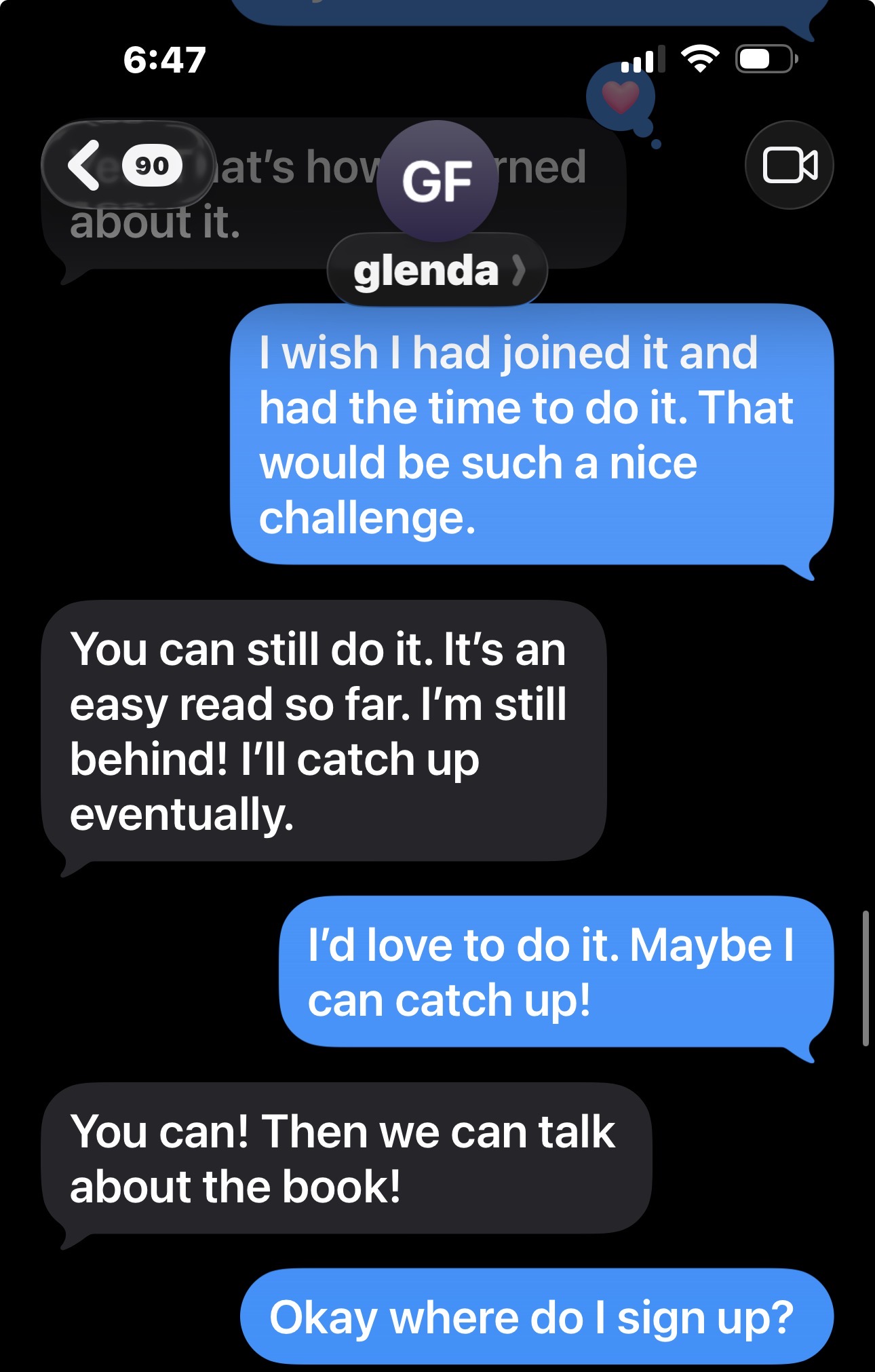
And that’s when it happened. Her next text had me joining a Substack group to be a slow reader this year.
Here is actual text footage of how a reader gets sucked into a challenge like War and Peace :
Screenshot
You know those movies where someone misses the train and has to run down the tracks and make a jump for it, praying they catch hold of the book party caboose? That was me. Instead of getting on at the station when it was pulling out on January 1, I waited until the last possible time to feasibly begin – – around 8 p.m. on January 30. Flailing hands and flying hair in a flurry of free-spiritedness like who cares if I have to read 31 chapters of War and Peace to catch up with everyone else? Like I’m some sort of reading ninja. I’m not. I have 31 chapters of War and Peace to read, and now I’m in a war zone with myself looking for some peace.
Perhaps I will use my silent reading hour this morning that I was going to use at the Silent Book Club on the Zebulon square in 1828 Coffee Company to catch up. Extreme weather caused its cancellation, so now, instead, I’ll be reading all all day at home, apparently with snow falling, by the fireplace with my own home brewed coffee in the way I always dream,. Or maybe I’ll finish Reminders of Him by Colleen Hoover, this month’s Kindred Spirits reading group pick. Or, perhaps – just perhaps – I will pick a poetry book to devour. A Bit Much by Lyndsay Rush has my eye. Let’s face it: most likely it will be all of the above.
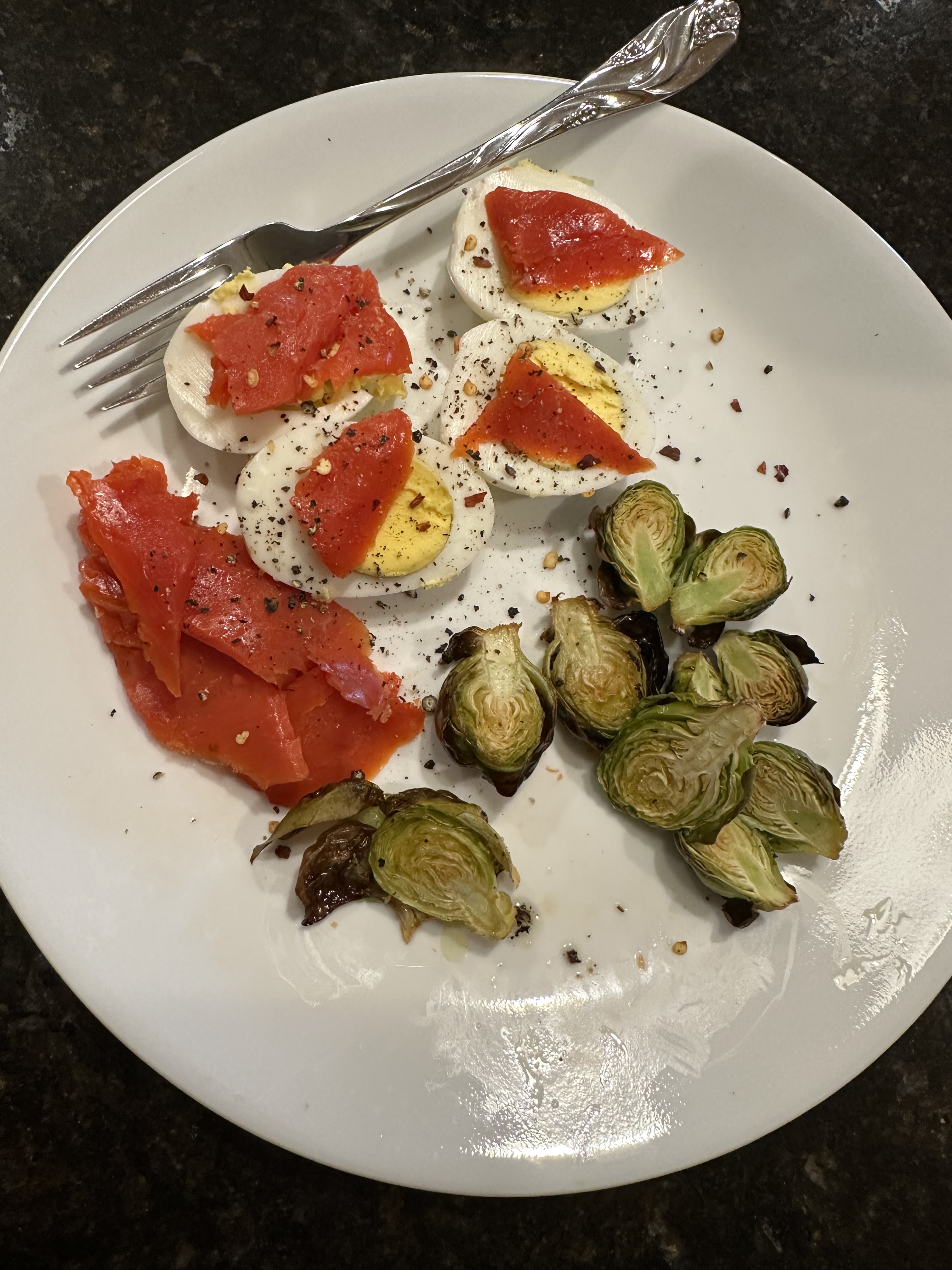
This cold weather has my memories of Alaska swirling like magic-dust snowflakes of wanderlust. I’ve been there twice, both times on cruises – so even though I tasted none of the “local” flavors of the non-touristy places in the nation’s largest state that was anything but a folly, both times I’ve indulged in that spectacular smoked sockeye salmon that is sliced thin and served with eggs, capers, lox and bagels. We’d go to brunch, and they’d serve it as an early tea time with breakfast for late risers being more of a light lunch.
The cold weather brought the memories, but the threat of power outages last week brought shopping for things we could eat with minimal preparation. I found a good brand in Publix over in Peachtree City and gave thanks for the fish, imagining it swimming upstream to spawn, trying to avoid the fish-spearing claws of grizzly bears out there standing on those shallow rocks as ribbons of fresh red fish flitter past their feet. The one I was holding made it back home to do its one last thing before ending up in a sliced and packaged fillet.
I always boil all of our eggs prior to a winter storm. We’ve discovered that they keep fine in a cooler on the back porch and can feed us for days on end. And when we put a little sliver of salmon on top, it’s just the ticket for an Alaskan meal right here at home in middle Georgia!
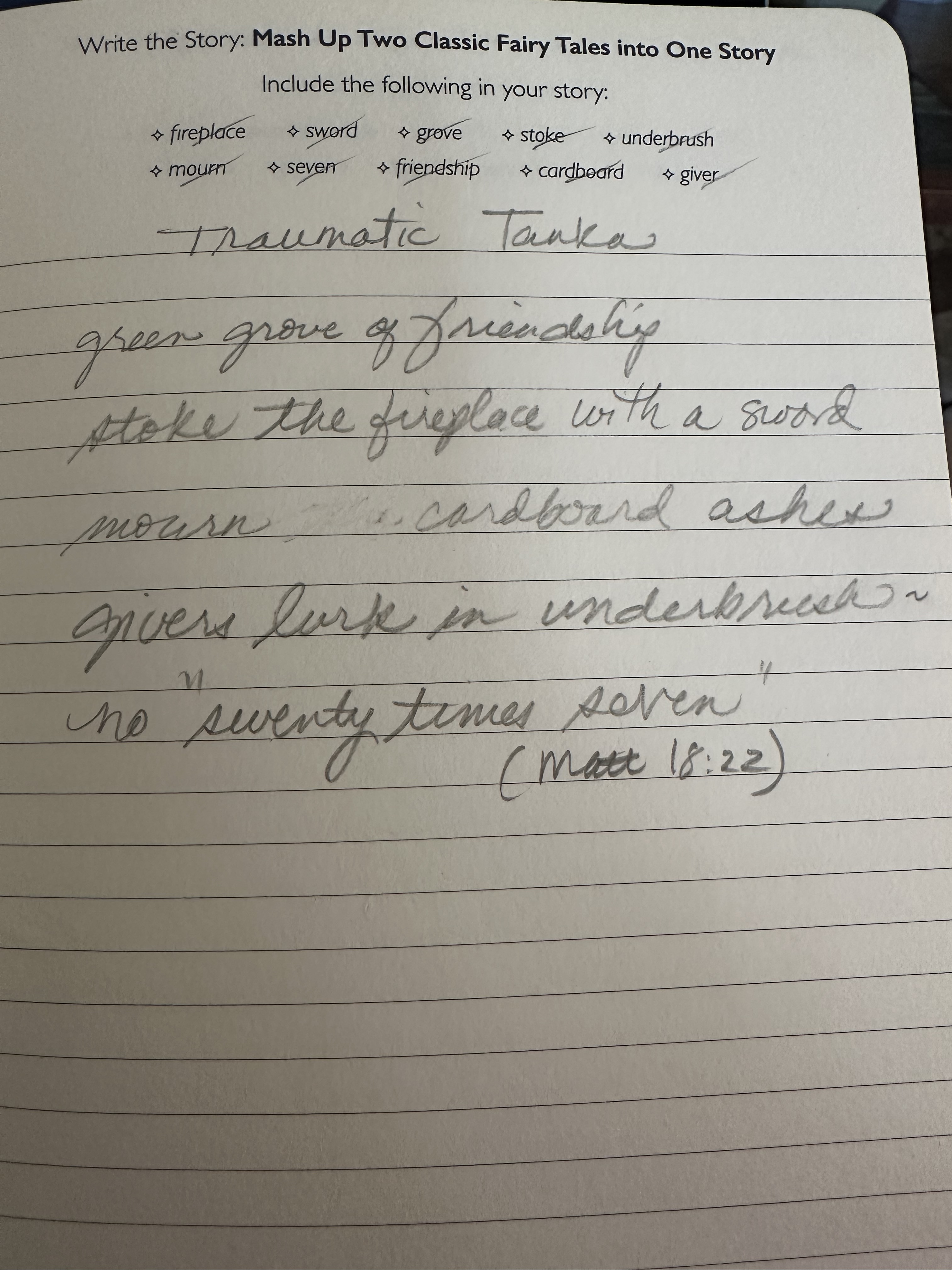
I’m writing today’s poem using a Write the Story prompt to create a Tanka, which is a poem of 5 lines with syllable counts 5/7/5/7/7. I used Matthew 18;22 as inspiration for the final line of the poem.
Prompt: Mash Up Two Classic Fairy Tales into One Story
Words to be Used: fireplace, sword, grove, stoke, underbrush, mourn, seven, friendship, cardboard, giver
This company also publishes “Write The Poem” which I will also share in an upcoming blog post
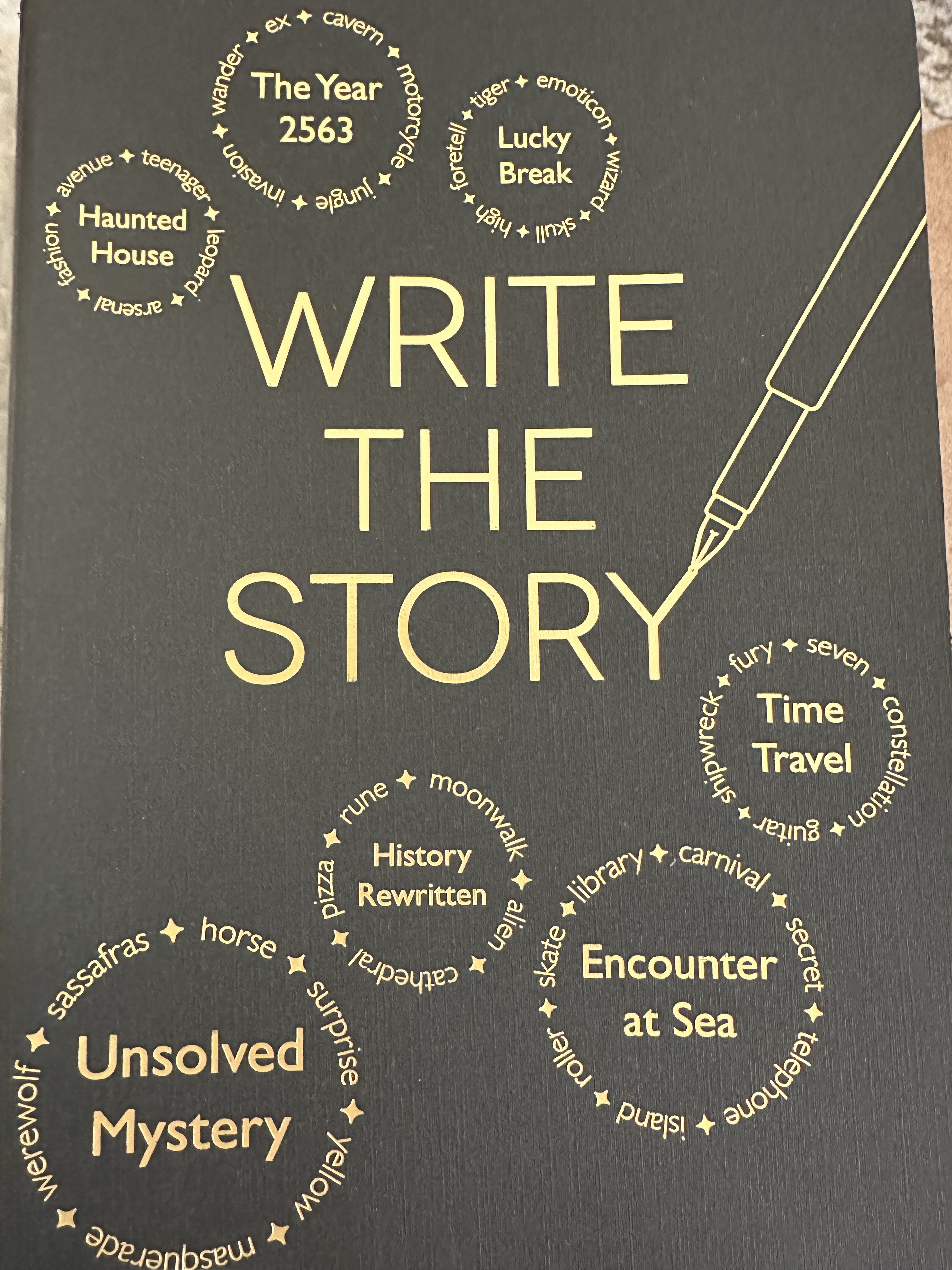
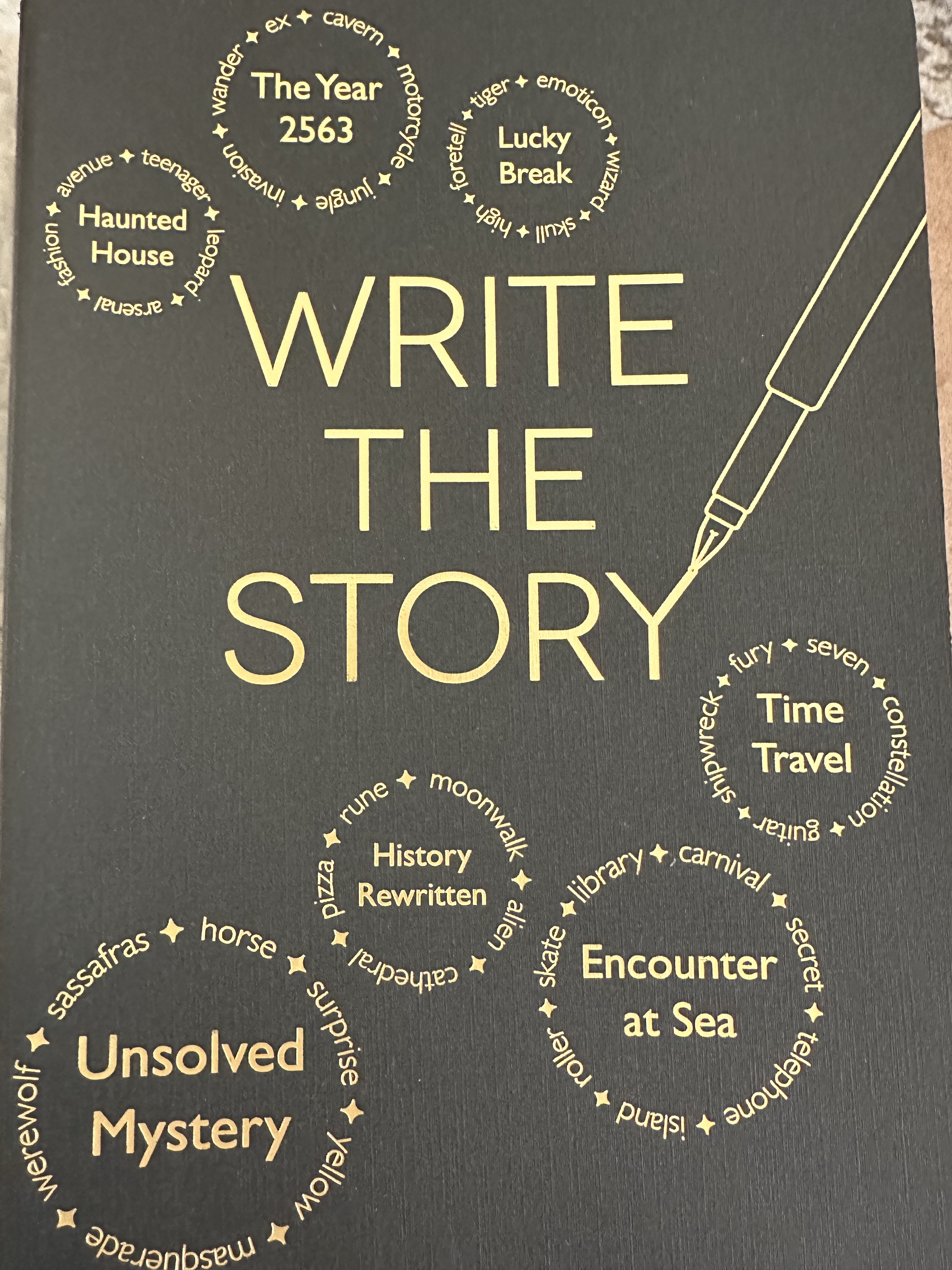
I was browsing through our local used bookstore on a lunch break last week when, on my way out the door, a book caught my eye. Its title, Write the Story, glimmered in gold lettering down the spine, as if to plead: Hey, over here! See my sparkle? Take me home with you!
Already reaching for the doorknob, I changed course and went back to check it out. I expected a how-to on the writing process. Instead, I discovered the hidden treasure of a delightful writing challenge. Each page bore a titled topic with ten pre-determined (seemingly random) words to be used in the writing of a story.
The pages appeared to be blank except for one on which someone had penciled a story to satisfy one singular challenge and apparently moved on with life, abandoning the book and donating it to the bookstore, where it now rested in my hands. Treasure, indeed!
Poems to be written. Winter seeds of poetry, all scattered between the covers of one book. Destined for me, cast off like a stray no one else wanted, knowing all the while that a cultivator of words and writing would be most likely to pick it up, fall in love with it, take it home, and feed it.
I bought it and realized that other members of my small-group Stafford Challenge writers must have a copy. When we commit to writing a poem a day for a year, we all need a little prompting from time to time when the well runs dry or life gets too busy to think deeply like a poet. Once back inside the car, I turned on the heat and warmed up. I ordered three more copies online from the parking lot to send to Glenda Funk, Barb Edler, and Denise Krebs upon their arrival. Then I took a few snapshots to send them in the mean time.
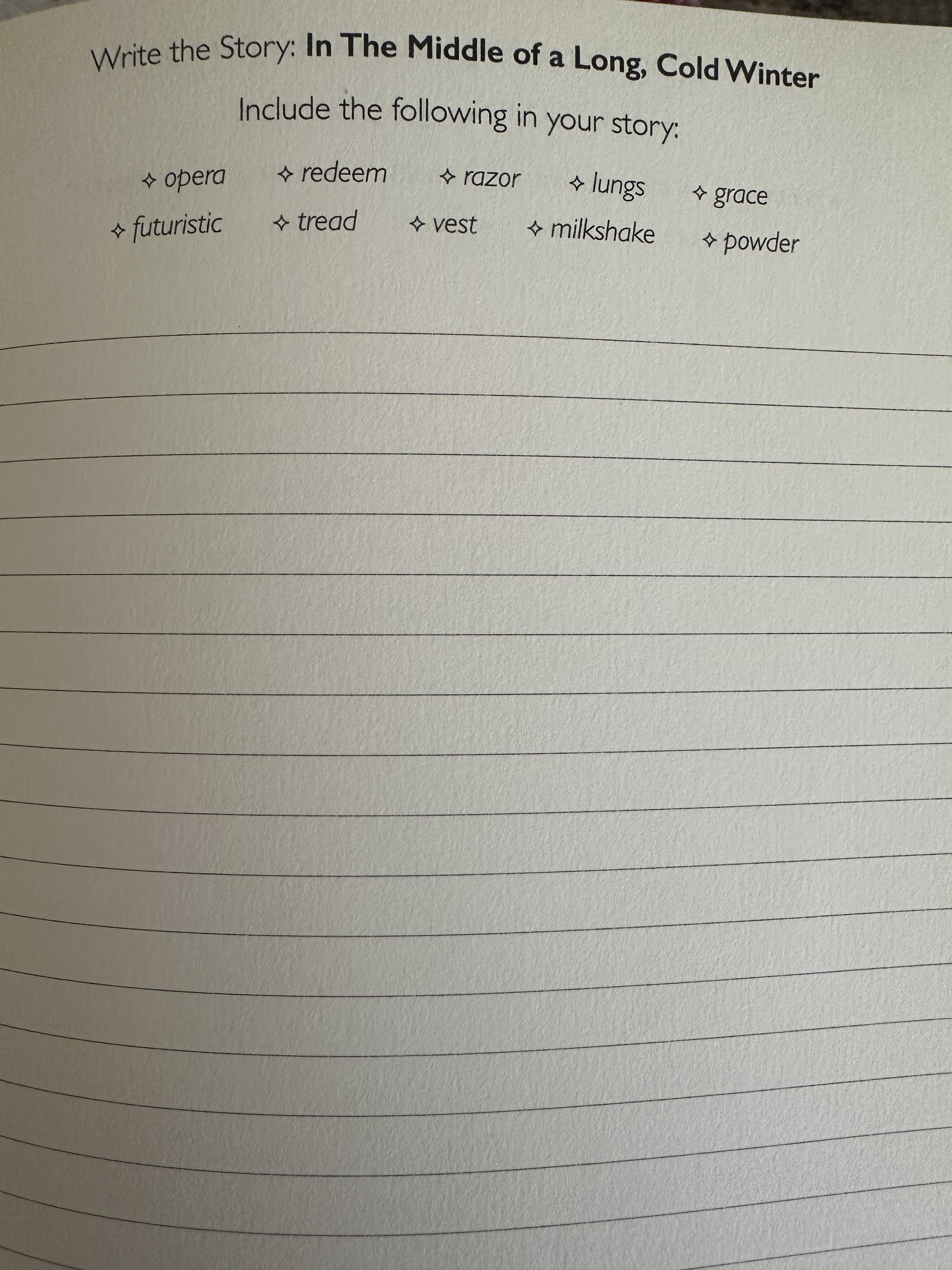
Today’s title: In the Middle of a Long, Cold Winter
concluding a futuristic opera treading frozen spring water
winter cleanses our lungs
razor-sharp alveoli icicles fall sun breaks out in a crescendo of seasonal transition melting the white powder milkshake from the mountainside grace of its forgiving kiss beckoning crocus, groundhog-like peepers stretching up through frozen ground ready to crawl out of bed emerge from quilted slumber shed their corm-sewn bud vests and sing a new song
Happy birthday to my first-born child today! She’s a kid at heart, and she loves to read. When she was little, we’d pile up on blankets or beds for book picnics – – she, her sister and I would do nothing but read all day long while the boys were out fishing. Last year, she read 144 books, stomping my 20 down to a pancake compared to her skyscraper. She still calls them her “chapter books.” Today, instead of raising a glass to my daughter, I open a book. It’s what we do best in our DNA.
One minute we’re expecting snow along with the ice storm of the century, but the next it’ll be 75 degrees and sunny. There’s a chance of snowfall, ranging anywhere from 0″ to 145.” I’ve heard it all this week, and I guess it’s safe to say we’ve prepared for all or nothing, just as they’ve said: prepare for the worst, hope for the best. And The Weather Channel is the best place to find a time loop where you live the same ten minutes on repeat. It may well be the portal for time travelers to take a jaunt in time somewhere far more stable than here.
I’m not sure what I’d take with me, but no matter where I am, all I really need are books, dogs, a comfy chair and a cup of coffee. My TBR stack is taller than I am, and I keep reading blog after blog after blog. This morning, Tom Ryan’s Substack featured the most joyful photos I’ve seen all year ~ his dog Emily (Samwise in the background) leaping for joy. He and his two dogs have just move to Cape Cod from the White Mountains of New Hampshire and are walking the woods where Mary Oliver wrote much of her poetry.
Today will be a day of quiet, peaceful living here on the Johnson Funny Farm an hour south of Atlanta’s Hartsfield Airport, right on the flight path where we use our Flight Tracker app to check where all the planes have left and where there going. Fun times. Quiet: at least, that’s what’s planned, but things can go sideways here pretty fast. Fifteen times in the past five minutes, there have been earth-shaking gunshots out here in the deep rural country ~ deer? ducks? Who knows? The important thing is that the dogs are here tucked safely in our bed, the gas logs have plenty of propane, we’re stocked up on candles and have 12 pouches of tuna, a dozen boiled eggs, and cheese and crackers. And instant coffee.
Let the reading commence! Wherever this day finds you, even if your power goes out, I hope you stay warm and cozy.
the book is better
than any movie ever
our own minds film scenes
pennies, nickels, dimes
won’t buy a movie ticket
reading a book: free!
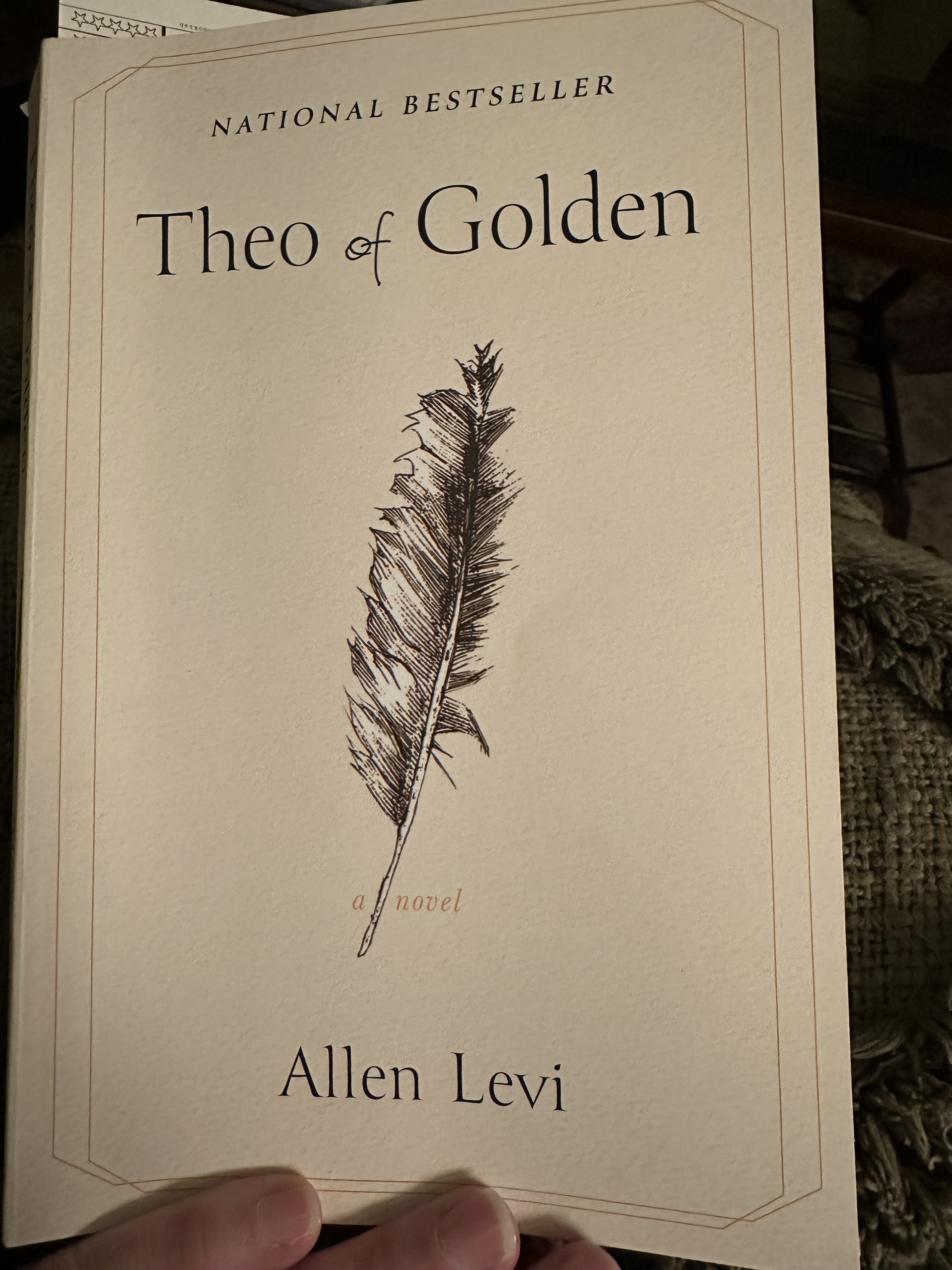
I’m currently reading Theo of Golden by Allen Levi.
We took time during The Stafford Challenge kickoff this past Saturday to write. Kim Stafford, son of William Stafford, read us a list poem written by his famous poet father, and encouraged us to look around the room and list what we saw to inspire writing. I love a rambling sort of list poem. Once everyone finished, we all put a line or two in the chat, and just reading the randomness of things and ideas could have become a collective across-the-world poem by all in attendance. We were to begin with the words It was….
Yesterday’s host for our third and final day of the January Open Write at http://www.ethicalela.com was Denise Krebs of California. You can read her full prompt, her poem, and the poems of others here. She is one of my small group writing members in The Stafford Challenge, and I’m proud to call her a dear friend. We met in person at the National Council of Teachers of English (NCTE) and have presented together there a few times. When she’s not busy writing books and poetry, she’s off visiting grandchildren or riding her bike through the desert with her husband, coming home to a long-standing family home that she, her sister, and her husband restored.
The Deep Sea Parade
an artistry of angelfish a buffoonery of blowfish a charm of chum a dazzle of dragonfish an eloquence of eel a flamboyance of flying fish a gallancy of grouper a harmony of humpback whales an illustration of icthyosaur a jubilance of jellyfish a kinship of krill a lumination of lanternsharks a majesty of manatees a narrowmind of needlefish an openarmory of octopus a pulmonation of pufferfish a quarrel of quahog a radiance of ribbonfish a soldiering of seahorses a thundering of trumpetfish a union of unicorn fish a vault of vampire squid a whiskering of walrus a xanadu of xiphosura a yubadubdub of yellow soapfish a zooband of zebra turkeyfish
and I joined the parade as the mermaid caboose come join in, mermaids and mermen!
We’ll be a murmuration ~ the finest mermaid nation!
For the second day of poetry in the ethicalela.com small group, Angie invited us to focus on using anagrams to inspire poetry. She hosted Day 2 of the January Open Write at http://www.ethicalela.com.
She encouraged using this anagram generator to help with ideas: https://ingesanagram.com. I wrote about the snow we had on Sunday.
snow
once upon this now he won sniffing his own spot in this cold-sown snow





 Common Threads