Each month, as part of The Stafford Challenge writing group led by Brian Rohr of Portland, Oregon, I look forward to the virtual writing workshops and visits with poets. Earlier this month, Melissa Helton, Director of Literary Arts at the Hindman Settlement School in rural Appalachia, offered a bonus writing workshop in which she shared several of her favorite poets, their poems, and prompts to inspire us to write our own poems. For the next few days, I’ll share the way she presented the information and the way she led attendees to write poetry using mentor poems.
When we arrived in the session, Brian introduced Melissa, who took us on an exploration of four poets by briefly sharing a little about each. Then, she shared a poem that had stuck with her. She read a single poem by each writer and then gave a prompt, inviting us to write our own poems.
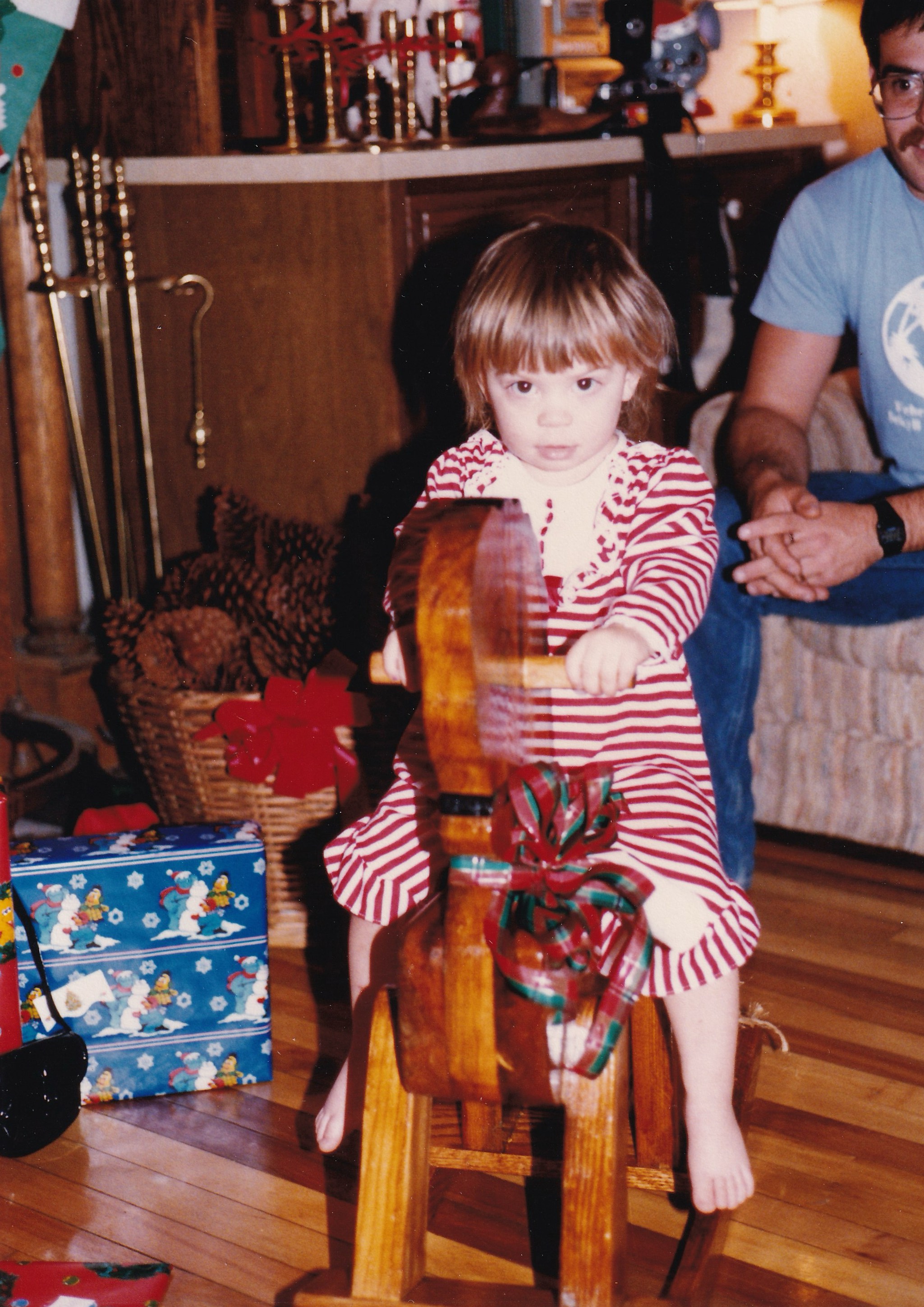
One poet was Willie Carver, who wrote Requiem for a Dollar Store Christmas Bear. After Melissa read the poem aloud, she gave us a prompt: write about your own precious lost toy.
Each month, as part of The Stafford Challenge writing group led by Brian Rohr of Portland, Oregon, I look forward to the virtual writing workshops and visits with poets. Earlier this month, Melissa Helton, Director of Literary Arts at the Hindman Settlement School in rural Appalachia, offered a bonus writing workshop in which she shared several of her favorite poets, their poems, and prompts to inspire us to write our own poems. For the next few days, I’ll share the way she presented the information and the way she led attendees to write poetry using mentor poems.
When we arrived in the session, Brian introduced Melissa, who took us on an exploration of four poets by briefly sharing a little about each. Then, she shared a poem that had stuck with her. She read a single poem by each writer and then gave a prompt, inviting us to write our own poems.
One poet was Dianne Gillam Fisher. She wrote the poem Milk, which you can read by scrolling down in this newsletter. The after-reading prompt was to write about breaking stride by rejecting a rule or law to do what is right. My fierce and unwavering love of dogs led me to think about how I would rescue them all, despite regard for any reasonable number of them.
In Memory of Fitz, my soul dog, who crossed the Rainbow Bridge Spring 2026
Rules are Rules ….Except for Dogs
the rule is no more dogs,
the homeowner says
but I happen to be the wife
so I bat my eyes
plant a kiss
and open 2 hearts, 4 arms
…..and the doggie door…..
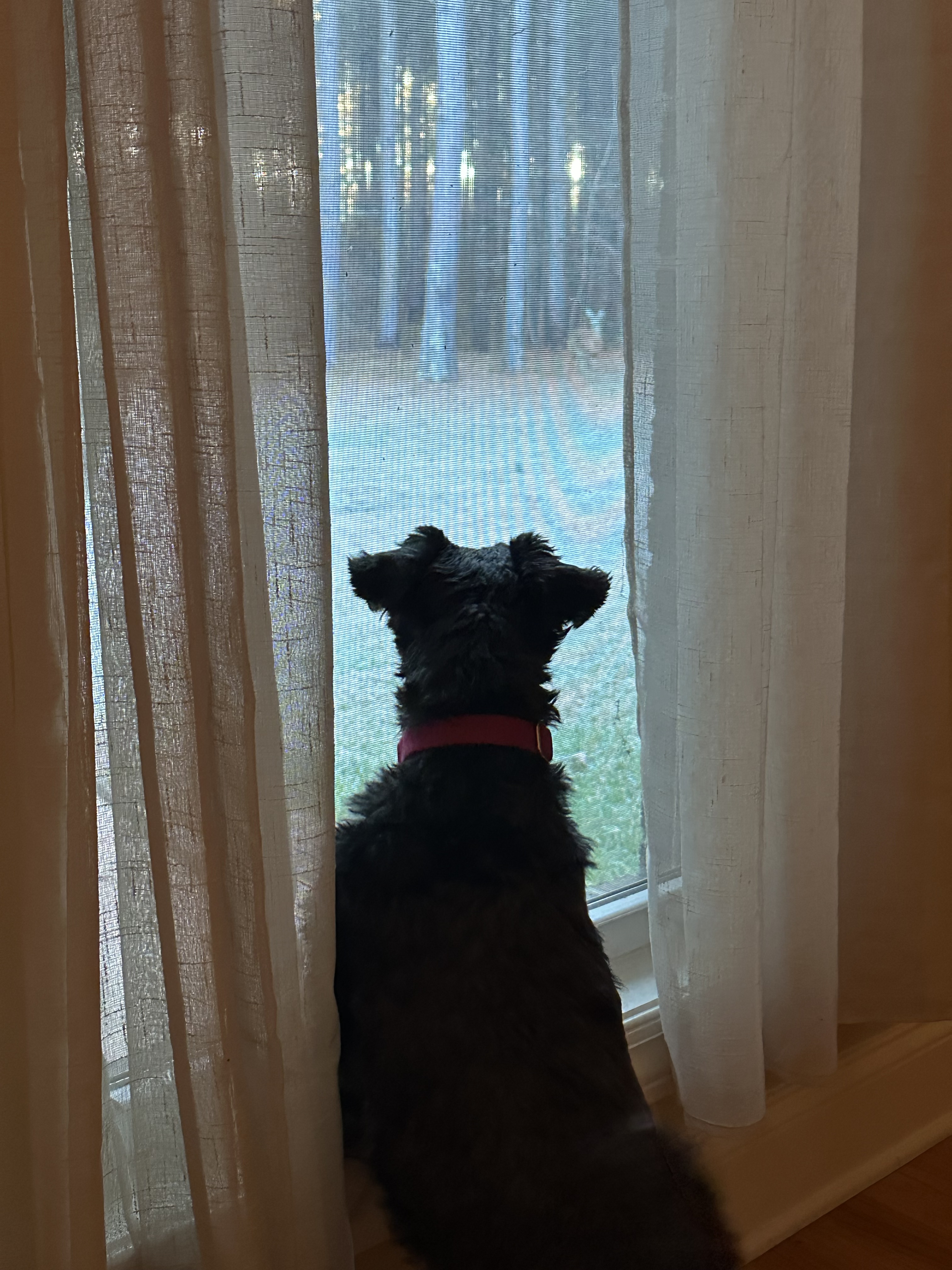
At his favorite window, watching a deer
It’s true – – my heart remains forever broken over losing Fitz. I think it’s him from over across the Rainbow Bridge trying to send me the message that it’s time to open our arms to another dog who needs a chance at a good life. Last week, I submitted an application to Schnauzer Love Rescue, where we got Fitz and Ollie, for a Schnauzer who bonds strongly with one human. Dot Werner and Nancy Delf have been phenomenal about finding just the right fit for us twice, and I would not go anywhere else in my search for a good buddy. The rescue organization where we got Boo Radley went out of business shortly after we got him, and I wonder to this day whether Boo may have been part of the reason (he is anything but an easy dog)…..
Each month, as part of The Stafford Challenge writing group led by Brian Rohr of Portland, Oregon, I look forward to the virtual writing workshops and visits with poets. Earlier this month, Melissa Helton, Director of Literary Arts at the Hindman Settlement School in rural Appalachia, offered a bonus writing workshop in which she shared several of her favorite poets, their poems, and prompts to inspire us to write our own poems. For the next few days, I’ll share the way she presented the information and the way she led attendees to write poetry using mentor poems.
When we arrived in the session, Brian introduced Melissa, who took us on an exploration of four poets by briefly sharing a little about each. Then, she shared a poem that had stuck with her. She read a single poem by each writer and then gave a prompt, inviting us to write our own poems.
One poet was Annie Woodford, who wrote the poem Soon the Red Wolf. You can read the poem here. The after-reading prompt was to write a poem about some kind of extinct or invasive species in our own areas. My mind immediately went to Cogongrass, a leading invasive species in the rural southeastern United States. It’s one of the reasons we are not supposed to bring firewood into any of the campsites we visit. Because Cogongrass is so hard to eradicate (like kudzu), even the seeds that might be left on a saw blade cutting trees used as firewood could be transported into areas through the firewood and take root in state parks. I suppose that really, these seeds could do the same thing on tires of cars, e-bikes, or even yard toys kids may take camping, but we respect the rules and their reasons.
In retirement, I’ve been dedicating more time to submitting my writing. I recently opened my Submittable page and saw what every writer wants to see: an acceptance among all the declined work.
Dear Art on the Trails Poets-
Congratulations on your acceptance into the 10th Anniversary Art on the Trails Chapbook!
We are thrilled to have both returning and new poets join the ranks of hundreds of poets who have participated in the program.
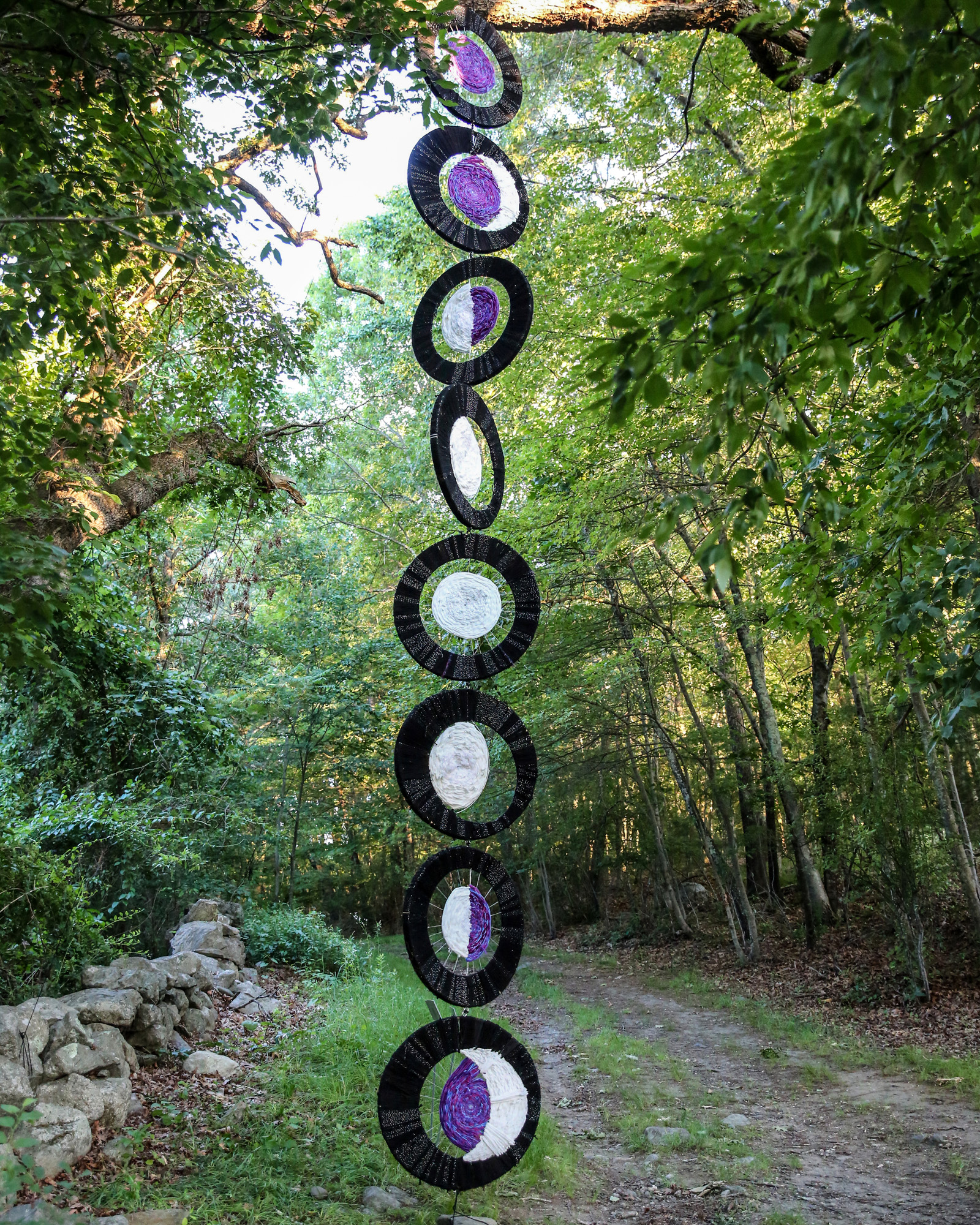
Today is the gathering along the trail in Massachusetts where attendees will gather to move progressively through this landscape of artist and poet joining to celebrate the visual art pieces and the poems that were selected by the artists to represent each work. When I saw the work of children’s woven moon phases in Selection 16: Phases, created with wire, wood, and yarn by Denise Johnson’s elementary school students who would be featured as part of the 2026 Art on the Trails: Time in Landscape, I thought of the young hands weaving this art, leaving their mark on the universe ~ a timestamp. And my poem was born.
Timestamp Tanka
children weave moonbeams
waxing, waning, wrapped in light
young hands shape vast skies
their marks on the universe
immense timestamps of presence
You can hear me read my poem Timestamp Tanka here (video). Or, hear the audio below.
I would like to encourage my writing friends to submit to next year’s call for poems. It’s revitalizing to be inspired by visual art that prompts writing.
Today is one of those overcast, drizzly Saturday mornings when dogs who don’t like to get their feet wet balk, then reluctantly tiptoe like entitled snobs out to greet the grass with morning tinkles as the droplets off the roof at the corner of the eave beat down like a hand drum onto the upturned blue bucket beneath. It’s the kind of day an introverted reader relishes from a too-soft channel quilted chair by a window, next to the dim lamplight of gray morning, the kind of day those Cat in the Hat kids could only endure until the cat showed up with his two Things. But no cat with surprises is needed here, not today in all the golden silence of a rainy morning while the coffee is hot and Small Things Like These by Claire Keegan and Whistler by Ann Patchett await and the dogs’ feet have dried enough to curl up in the chair in a room recently decorated to welcome autumn with cozy throws, a menagerie of mums, and a blend of buttery pumpkin potpourri emanating from the table, blending with the scent of coffee poured from the piping glass pot into a shiny ceramic mug, the clinking of the stirring of a spoon heralding the morning in the same way church chimes of Rockport, Massachusetts echo all through the town to remind us of our daily blessings. Pour a cup and come read with me.
Retirement officially began for me August 1st, and each second and fourth Friday of every month, I’m reflecting on the first year of retirement and what it’s like in this new chapter of life. These have become some of my favorite blog posts of the month because they become a lot like what I believe Sarah Ban Breathnach was driving at in her bookSimple Abundance: A Daybook of Comfort and Joy. Focusing on the gratitude and appreciation for a new phase of life by looking at all the joy it brings is a balm for the soul. At the beginning of my first week off, I used a green spiral notebook to make a list of all the things I wanted to do — something enjoyable each week, blending in some new hobbies and routines as well. Friends and family who are still working seemed genuinely curious about what I would do with each day, and that’s what gave me the idea to plan and reflect on the course of my days and adventures. I remember my late father’s words, on retirement: You don’t retire FROM something, you retire TO something, and you’ll be busier than you’ve ever been. He was right, but the busy part is optional, like changing out of loungewear and wearing real clothes on most days.
Here are some things I’ve enjoyed in my first official six weeks of retirement. I’m keeping a running list, adding to the previous post each time I pause to reflect.
And picking up where I left off at the end of August, here is how September has begun as I make my way down my list of 100 Things:
19. Re-vamping the Reading Room – I have breathed life back into my reading room and updated it by replacing some shelving and adding a few other personal touches to make it what my husband calls my own unique version of a she-shed. No matter what all is on the list of things I’m doing in retirement, the reading chair is a place I sit each day to adjust my sails. I have a Goodreads personal goal of 60 books this year – – (it’s fitting….it’s the year of 60)…..and I’m trying to get on track to accomplish the goal. By the end of this day, I will have read 31 books, leaving me 10 books behind. I’ve got some reading to do, and Mad Mabel by Sally Hepworth wins the prize for September! My older daughter gave me a personalized book count tracker for Mother’s Day to go in my reading room, and it keeps me ever-aware of having the next book ready.
My Book Count Update in the reading room
20. Office Cleanout – Some of the furniture I brought back from Dad’s house on St. Simons had been occupying space without real purpose or function until I could think it all through, and one is an antique desk that my brother convinced me I need – – and he was right. I’m so glad I let him persuade me to bring it home. As I find the places for each treasure, I am rethinking the best location. And in rethinking the best location, I discover that other things need to shift. And as other things need to shift, I’m cleaning up and cleaning out. I’m reminded of the children’s book If You Give a Mouse A Cookie by Laura Numeroff…..the cycles of how things take on a circular pattern. The office was one of those spaces this month, and already it feels like the air is lighter in that room.
21. Monthly Small Postcard Group – I loved the Cascadia Postcard Poetry Fest so much that I’ve already registered for 2027. Meanwhile, I’ve joined a small-scale monthly postcard group with some of my writing friends after I was invited by Denise Krebs of Yucca Valley, California. Here is the link to more information if you are interested – you can email Barbara Robinette and jump into the October round. Some of the postcards I’ve received with poems have literally taken my breath away with their beauty and depth. The artwork of these artists has inspired me to try other forms of art on my own postcards, using theirs as inspiration. I have a lonnnnng way to go, but what joy creativity brings, no matter the lack of artistic talent inside.
22. Watercolor Postcards – I created fabric postcards for Postcard Poetry Fest in August, and I have also picked up the paintbrush for watercolor postcards. My friend Glenda Funk of Chubbuck, Iowa recently shared Alex Kincaid’s Flower of the Month watercolor link, and while I will never be as talented as Glenda, I’m inspired to try the flowers. I also use the postcards that arrive to try painting similar ones, in the same way I used the fabric postcards to try that medium as well.
I’ll have to work to be abstract, and my sun has too many rays….I’ll keep trying
23. Labor Day Camping at F. D. Roosevelt State Park in Pine Mountain, Georgia – It was just too hot to be outside much, so we did some reading and movie watching (Secondhand Lions and Arthur the King). We caught up on the recent episodes of our favorite YouTubers, Mark and Tricia Leach of Keep Your Daydream. Before leaving, we packed up the dogs, threw in our loungewear and a couple of outfits into our new “suitcases” and shopped for groceries on the way, grateful we don’t overthink the camping like we used to do when we strung up lights and used an outdoor rug. And those “suitcases?” They’re the 99 cent TJ Maxx bags that hold as much as a standard airplane carryon and are flexible enough to slide right into a wardrobe cabinet in the camper, without the bulk of a big bag. My friend Christian Jackson shared this trick. So now I have a new set of four seasonal suitcases. Who knew???
Under $1 Seasonal Suitcases from TJ Maxx
24. Dolly Parton Tribute at the Grand Ole Opry in Nashville, Tennessee – We love to go to the Grand Ole Opry from time to time, but we’d never been for a tribute or celebration to see the way all the singers come out onstage at the end. I’d seen recordings, but we finally got to be there for a momentous tribute in person. We somehow managed to score two tickets in the nosebleed section, deciding that just being there would still be a treat, even though we’d be watching on a screen with a far-off view of the stage from our high-altitude seats. There’s not a bad seat in the Opry, we’ve found, even though we were nowhere near our favorite Section 17. We took small, high-powered binoculars and sang along, breathing the air of that amazing sold-out evening and sharing stories with people all around us. I got to sit next to an 84 year old from Mississippi who had come to Opryland as a child each year and continued bringing her son throughout his childhood. She’d lost her husband five years ago, and when her son heard about the tribute, he snapped up three tickets and jumped in his plane with his new pilot’s license and flew his wife and mother to see the show. I got to see two shows that night: the tribute to Dolly, and the joy spilling out in tears on the face of that lady next to me. We heard the story that evening from one of the performers that a yellow butterfly had been flitting about the Opry, and I found a video of it here. I like to think Dolly was right there on the stage, too, all evening, soaking in the love everyone had for her.
In Opry Mills Mall, my racecar driving husband found that Cobra he’s been wanting…..
Outside the Grand Ole Opry on the afternoon of the Dolly Parton Tribute
25. September Stafford Challenge Small Group – The first Monday of each month, my small group of Stafford Challenge writers meets to talk about what we’re writing and to catch up. We share what we’re working on, we share prompts for writing, and we enjoy time together from our homes in California, Iowa, Idaho, and Georgia for one glorious hour. This month, we each read a poem we’d written and shared some of our favorite resources, including the Art of Flash Institute, Audrey Gidman’s prompts, Joy Sullivan’s Necessary SaltSubstack, and Ten Poetry Notebooks of Robin Farr. Barb Edler also shared a favorite publication, Moss Piglet.
26. Stafford Challenge Writing Workshop – I attended a workshop led by Melissa Helton of the Hindman Settlement School, and it was fabulous. She shared poems of Appalachia and gave us writing prompts to lead us in the writing of four poems during this time. My favorite was Requiem for a Dollar Store Christmas Bear by Willie Carver, which we read prior to writing our own poems about precious lost childhood toys. Milk (scroll down to page 4 or so) by Diane Fisher led us to write about a time we broke a rule to do the right thing. Soon the Red Wolf by Annie Woodford inspired us to write poems about wildlife or extinct species in our own areas, and Affrilachia by Frank Walker had us writing about the intersection of two unexpected events or circumstances. Melissa Helton is one who is able to reach into a writer and awaken the muse.
27. Mahjongg Group Formation – Now that my former colleague and dear friend Christian Jackson and I have taken lessons in Mahjong, we have branched out into the world of group play. We’re finding our best fit, and we’ve learned that even the best players who are in leagues and tournaments are no more likely to win or lose at the table, because Mahjong is one of those games that requires luck AND skill, and good decision making. We’re fending off cognitive decline, too, according to recent scientific research that shows the cognitive exertion needed for the game keeps the brain cells sharp.
We like to take pictures of our winning Mahjongg racks so we can track our wins and know our favorite neighborhoods and streets on our 2026 National Mahjong League cards
28. Birthday Pedicure with my Sister-In Law – It’s fun going for birthday pedicures during the day and being able to walk right up to a chair without the wait. My sister-in-law Bethany usually schedules our appointments at our favorite nail salon, and we enjoy using the time in neighboring chairs to catch up and get our legs massaged and toes painted. Unfortunately, her best friend’s father died and she was headed out of town to the funeral on her birthday, but not before we sat and chose Plum Wine (her) and Iceland (me) paint colors as colors for our feet to welcome autumn. We missed our bookstore outing to buy each other a birthday book, so I found a couple of gifts from Natural Life and got us matching mugs and socks.
Coffee mugs and socks if not books……all the cozy things
29. Lunch with Friends – From Angelo’s Italian corner restaurant and Bank Street Cafe in downtown Griffin to Mangia on Main in Barnesville, lunch with friends is one of my favorite retirement indulgences. I recently caught up with former colleague Jayne Midura, who gave me a fabulous retirement t-shirt. We talked dog rescue and enjoyed catching up. She is, sadly, in the same place I was during May when I was facing the grief of letting go of an aging dog too tired and sick to carry on. Prayers for Jayne in these coming days. It’s heart wrenching to say goodbye to our fur babies.
Mangia! on Main in Barnesville, Georgia
Over the next two weeks, we’ve planned to take a birthday weekend getaway with Briar’s brother and his wife to North Georgia to stay in a cabin on a creek and have cake, and also camp in Vogel State Park in Blairsville, Georgia. I’ll share a virtual poetry reading of my poem Timestamp Tanka for the Art on the Trail celebration on Sunday as part of the Time in the Landscape series this year in Southborough, Massachusetts. My poem was selected to accompany the work Phases of the Moon for this year’s chapbook, and I couldn’t be more excited!
When we built our house in 2008, we used the open space concept of the honeymoon house we’d stayed in in North Georgia as our plan and my husband drew it on a napkin for the contractor who built it. I requested three things: front and back porches, dual “thrones” in the master bathroom, and a reading room where I could see rain, sun, and wildlife out the windows. I measured and found bookcases that completely covered two walls, and I ordered comfy sink-down-into-a-book-reading chairs like they used to have at Barnes and Noble back in the day. It was my dream room, but with more and more work demands, I had less and less time to sit and read. Books spilled out into the bedroom and other rooms of the house, and I had to pare down the obsession by donating many of my beloved volumes. Shelves were buckling from the weight with the way I had adjusted for heavier and taller books. The chairs had faded from the intense sunlight in the room. It only got worse last year when the trees were harvested for timber and the sun siphoned all the rest of the color from the chairs.
I didn’t want curtains where trees had always been our “outdoor curtains,” but it was blinding in the room, and the windows acted like a glass oven door sending the temperature through the roof. The larger windows overlook a butterfly and bird garden that I want to be able to see without the interference of drapery. My beloved Schnauzer Fitz loved looking out these curtainless windows on the faded ottoman so much that that he is buried right beneath them, as is Archie, a rescue given to us by a former librarian and my black and tan Dachshund Roxie, who moved back to Georgia with me after an awful divorce. It’s a regular pet cemetery underneath the reading room, but there was no choice about the curtains; they had to be installed. The first thing I did was get tension rods with room darkening curtains so I would not have to install hardware in the casings. And I reluctantly put up those sworn-off window treatments.
Then, when Dad left us in June 2025, my brother and I kept the Barrister bookcases as treasures that we remember holding “the most valuable books” he had collected. I sold all 6 of my original bookcases, replaced them with 3 Barristers on one wall, and started over with the room, beginning to redesign it with retirement – and lots more reading – in mind. I also came up with a plan to manage book breeding. My brother and I had given Dad a Little Free Library to go outside on his street corner for him to start paring down his book collection, but he’d never gotten around to putting it together. My husband found a Phillips Head and magically built it out for me, and we brought it home from the island. I haven’t figured out whether it’ll go in the community somewhere or whether I’ll take it to campsites for folks to take books, but it will be part of the population control plan. I also use Libby and the library more now than ever.
The goal was to redesign the reading room on a dime with existing items. I’m not a fan of clutter…..except when it comes to cozy book-filled nooks. With books, somehow I’m a complete hoarder-go-overboarder. But as a disciple of Robin Wall Kimmerer of Braiding Sweetgrass fame, I also like to keep the simple concept of repurposing and reusing what is on hand. Because every fixture is in some way the descendant of earth or tree, a leaf from the branch of natural resource. I started by stripping the faded chair and a half of its cover and repurposing an old channel quilt as a new chair cover. I swiped a rug from another room, and then for the finishing comfy seating touch, I brought in a new throw recently received as a retirement gift from a friend – – and it makes the room pop with style and reminds me of her each time I sit here and read. She knows me well – – the throw says, “I can’t stay long, my dog is waiting.” It’s draped over the chair where Ollie sandwiches himself between the chair arm and my right hip and Boo settles onto the back and wraps himself around me like an airplane neck pillow, and we all sink down into the soft cushions and get lost in nap or story.
Next, I took a candle shelf and added the “Books Read This Year” sign one of my daughters sent me for Mother’s Day. I updated my number to 30 and selected the lowest Barrister to showcase it. I put a fairy light tree next to it for ambience, and on one branch I placed an ornament given to me by a book club member who’d taken all our 2025 books and made miniatures of them to go inside a clear bulb and an ornament from a friend who recently visited the redwoods in California and sent me a wooden cutout with a gold hanging thread. The room still needed music, so I brought in a Smart TV from Dad’s house and programmed it so I could put fall jazz on YouTube and have a seasonal backdrop for the room. I brought in a floor lamp for a corner from the living room and made the small fireplace we’d used at the base of the bed in the Little Guy camper the permanent small fireplace in the reading room (it’s a space heater, but we can use it without the heat part in the summer). An old farmhouse stool sits by the chair to hold my coffee. And a painting from the same friend who gave me the throw will be hung next to the glass French doors leading back into the bedroom once I get a box of picture hanging hardware. The only new things I’ll need are a new unfaded ottoman – which I might be able to locate on Marketplace – and a hook for the binoculars I use when I see little rabbits at the edge of the brush or owls and hawks in the branches across the farm.
It didn’t convert to scale….but here it is!
It’s a work in progress, but it’s the kind of work that’s fun and comes without buyer’s remorse over needless purchases. And while I love sunny days, I am secretly praying for rainy and snowy days where I can read the day away without feeling like I should be anywhere else.
And our favorite Atlanta weatherman tells us it’ll be my kind of winter…..come bundle up and sit with me and read!
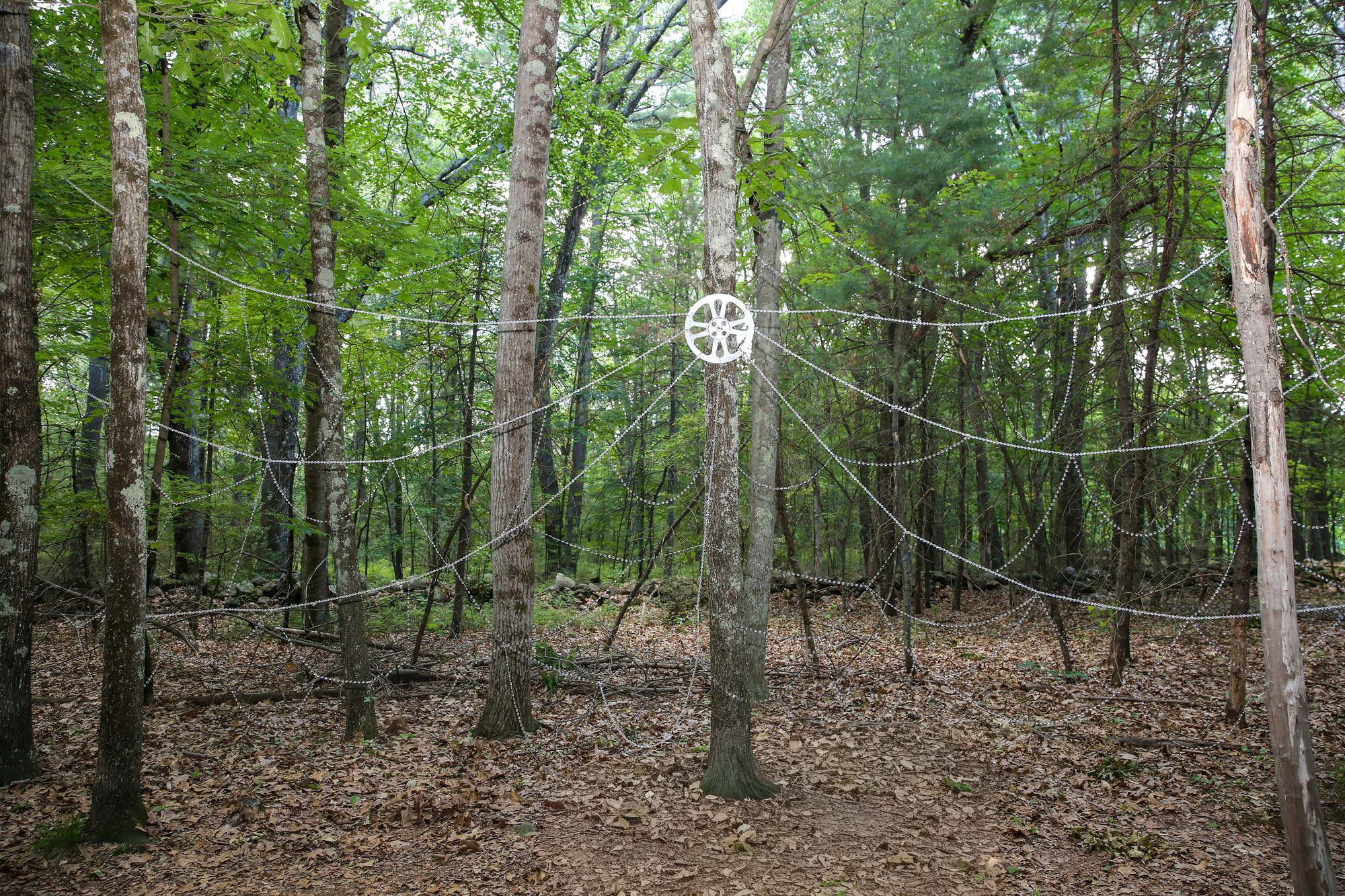
Throughout the month of September, I’m taking the time to appreciate various forms of art and to be inspired by the creativity and thought that goes into each work – whether it’s a painting, a sketch, a collage postcard, or a structure created in nature along a trail. This week, I’m sharing poems that were inspired by Art on the Trails. Today’s ekphrastic poem is in response to Chelsea Bradway’s Walkin in a Spiderweb that you can read more about here. I chose a Huitian as my form, thinking of the eight legs of a spider and how poetic form can become a part of the overall impression when paired with visual art. A Huitan has eight lines of eight syllables, and this one has a rhyme scheme of abbaacca.
Crystal Chandelier Delight
one spider spins a web of light
to reach into our darkest fears
shares stories told throughout the years
then turns to others to invite
their own connections and insight
together, then, they all reach out
climb far beyond the waterspout
weave crystal chandelier delight
If you’d like to know more about the project, visit this page and watch the videos that were created to show how the shared vision became a reality. This makes me want to create a similar event in my own community. I have a trail in mind – a trail created in memory of a former student whose parents are my former colleagues. I just wonder……could we do the same thing here, inviting artists to create works of art, and poets to write poems inspired by that art, and then walk along a trail in celebration of it all?
I enjoy writing poetry using art as inspiration, and that’s what Art on the Trails invited poets to do for their 10th Annual event in Southborough, Massachusetts. I read about the process and learned that once the artists were selected and their works installed along the trail, organizers invited poets to write ekphrastic poems inspired by the art, and then a poetry juror and the artist would select two poems for each piece of artwork to be published in this year’s chapbook.
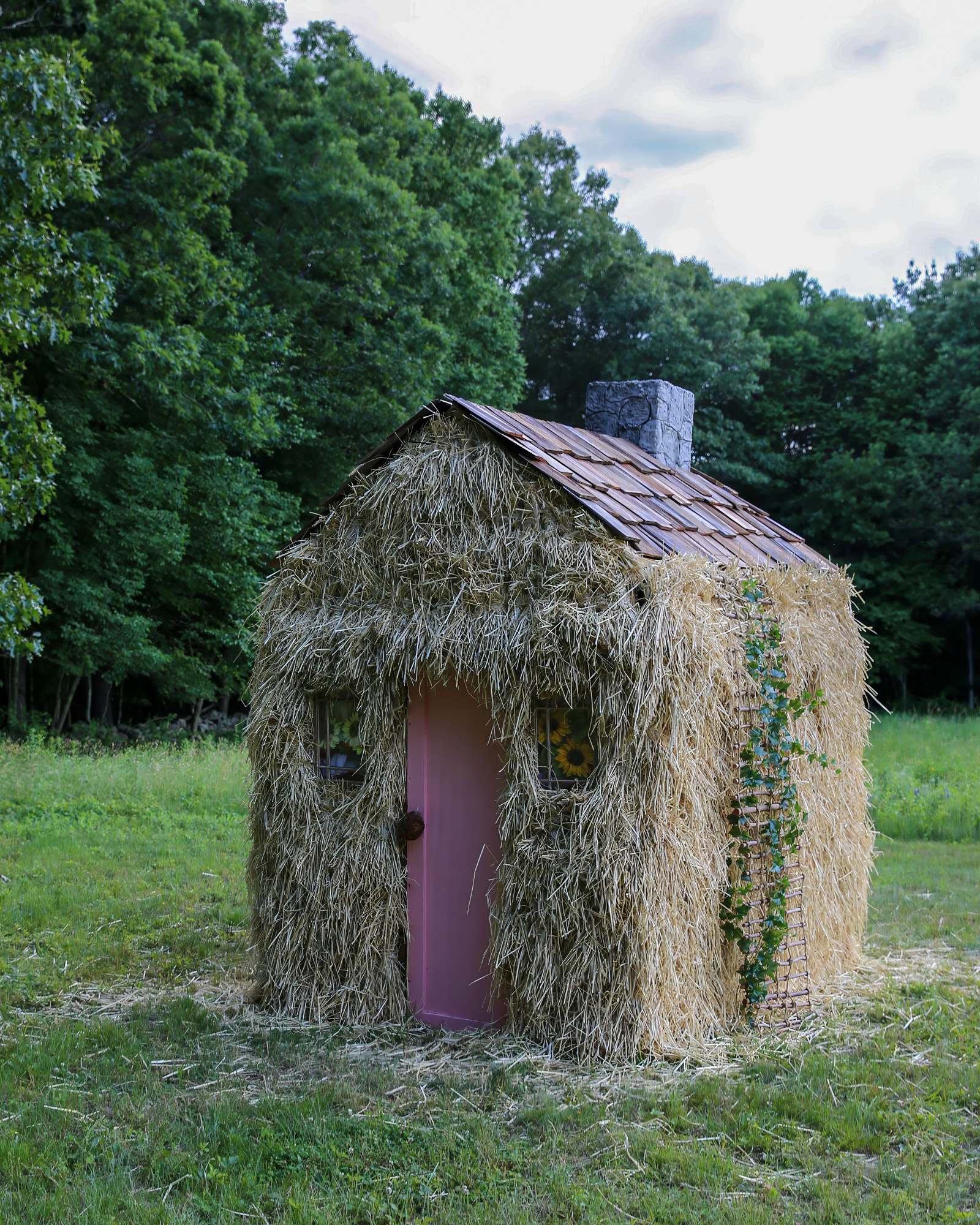
That’s the sort of writing that makes me happy, so I decided to accept the invitation. I scrolled through the works of art and selected four that were particularly inspiring. The House of Straw took me back to my favorite childhood storybook days, and The Three Little Pigs came to mind, of course. I wrote a tanka with a variation of a borrowed line from Padraic Colum’s “An Old Woman of the Roads” in response to Pam Bonaguide’s work House of Straw as part of this year’s Time in the Landscape theme.
You can hear the audio clip of my poem here:
This is one of four poems that I submitted for the works of art along the trail, but this one was not selected for publication. I’ll share the poem that the artist and poetry juror selected on Sunday, when the gathering of artists and poets will happen beside each work of trail art in Southborough during a progressive trail walk. Though I will not be able to be there in person for the closing event this year, I’m celebrating in spirit as the week leads up to the closing event on Sunday.
For today, may we all know our own safe spaces. As I see it, there are no safer spaces than the pages of books …..and nature trails with art, poetry, and fireflies.
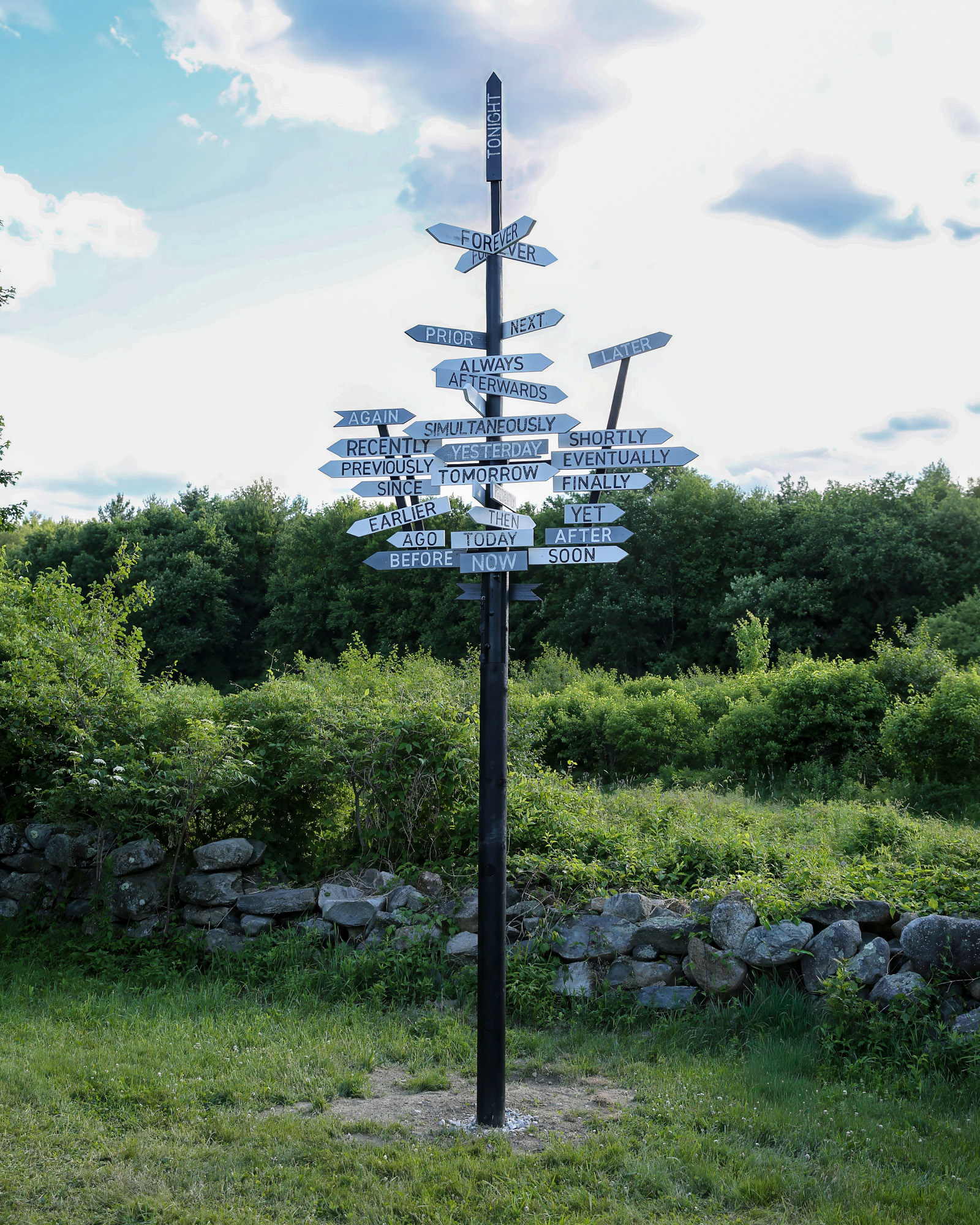
Art on the Trails is a unique celebration of art in nature and poetry that takes place at the Elaine & Philip Beals Preserve in Southborough, Massachusetts each year, and this will be the ten year anniversary of this event. In the first phase, art is selected by an art judge who announces the 16 winning works for installation along the nature trail, and then in the second phase, two poems are selected by a poetry judge and the artist to go along with each work of art. You can read about the poetry process here. I responded in verse to four of these works of art along the trail this year and submitted them for chapbook publication. I’ll share my poem that is selected to appear in the chapbook on the scheduled day of the event finale on Sunday, September 13. I will be unable to be there in person to read my poem at the progressive walk, but I have shared a video recording with event organizers and will share that here as well. Today, I’m sharing the tanka I wrote in response to Mike Libby’s work Here and There and Now and Then as part of the 2026 Art on the Trails: Time in the Landscape.