
I was attending a Science of Reading webinar with a colleague earlier this week. We’d escaped our windowless office and gone to the local coffee shop, where not only is the coffee stronger, but the WiFi is, too.
In Georgia, we have new legislation regarding Dyslexia and the Science of Reading in our teacher preparation programs. As we prepare for these needed changes, our conversations are frequently centered on various aspects of reading.
One slide of the presenter’s PowerPoint focused on the importance of phonics in early reading programs. My colleague remarked that she remembered phonics from her primary school days. We reminisced for a few moments during the presentation to recall how we became readers.
“Do you know how I learned to read?” I asked her.
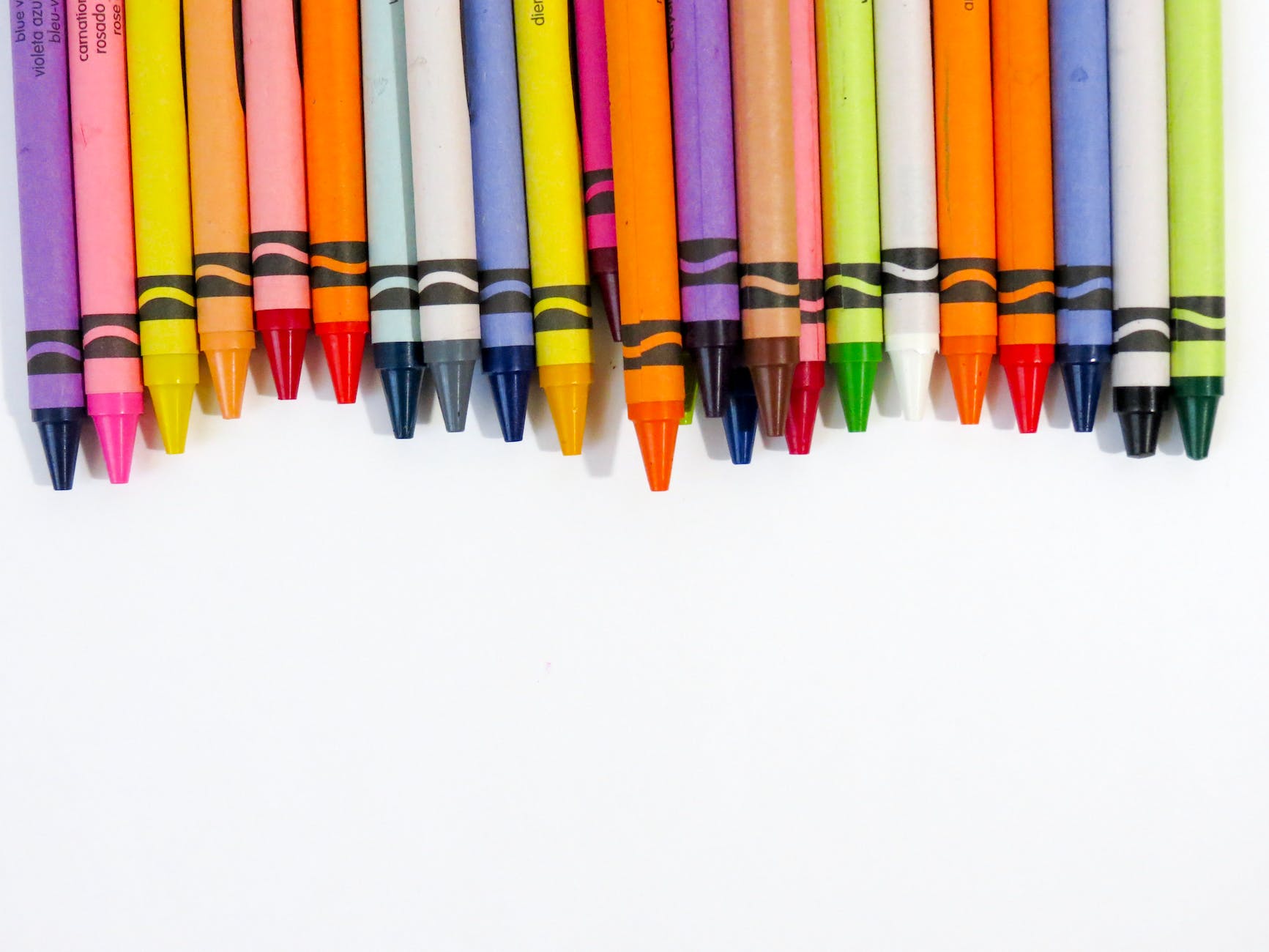
I explained. “I wanted to write more than I wanted to read, but I knew I had to read first. I lined up all the crayons so I could see the names of the colors. I knew red. So I copied the crayon label and wrote red in red in the front of all my books. I got in trouble for writing in my books, so I promised to use paper from then on. Next, I moved on to blue and green and yellow and all the Crayola colors, writing the color names and saying them over and over again, matching letters with sounds. This is how I jump-started my own reading and writing before I went to kindergarten.”
As I thought about all the fun I had in those days, I wondered whether a Crayola Phonics program would work today – – all those blends are there with BLue, BRown, and GReen, short vowel red and yellow and long vowel green, diphthong violet, digraph white, and all kinds of combinations that sure kept my interest as I became a colorful writer. Of course, I didn’t know they were short or long vowels or the phonics vocabulary of blends and digraphs, but I learned letters and sounds and how they worked together to form words, and it made sense to me as I unlocked these relationships.
And that made me a writing reader.
It also made me particular about my crayons. We had neighbors whose back yard was on the other side of our back yard, separated only by a row of bamboo. My friend Susie Todd lived there, so we would cut through the bamboo and play at each other’s houses. First, I noticed that she called crayons “crowns,” which disturbed me. I also noticed that she started hoarding my pink whenever we colored. She pressed down too hard, and she broke my crayon. Thank God it was the only one she ever used, but we got into a fight over the broken crayon. We soon moved to a new house, and that was about the year that I moved on to the deluxe box with the sharpener – which I shared with no one.

I also remember the exact day I moved from crayons to a pencil. I walked into Mrs. Easterling’s classroom, where she had turned egg cartons upside down, and in each egg cup she’d stuck one of those fat beginner pencils. These were our shared table pencil holders. We had half-sheets of paper to do our math, which did not come as easily to me. Where sounds, letters, and words were my world, numbers were not. I’m still working on my addition and subtraction facts.
Do you remember your phonics program as an early reader and writer? While the nation moves back to the Science of Reading approach with phonics and phonemic awareness taking center stage as early readers learn the dance, the Crayola crayon box still holds a magical place in my journey as a reader.





 Common Threads